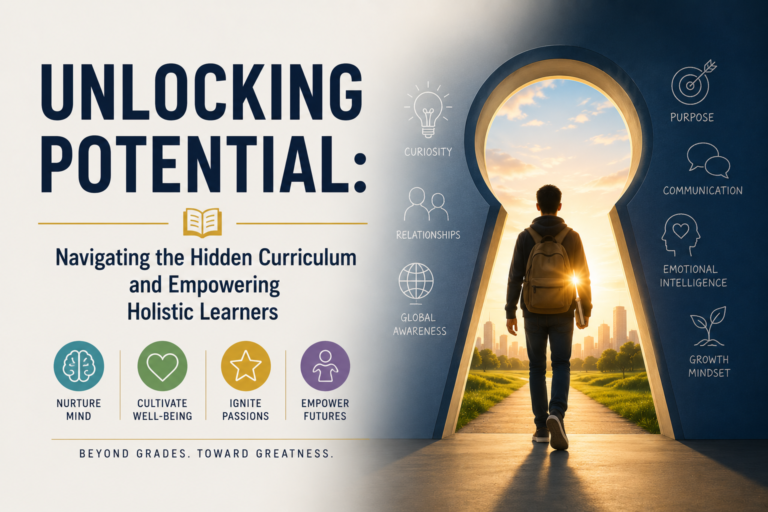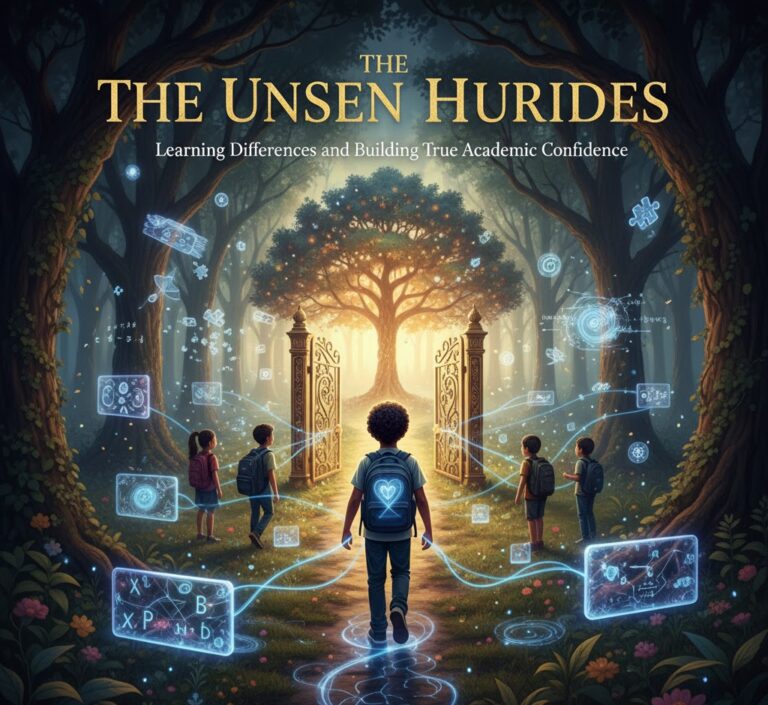
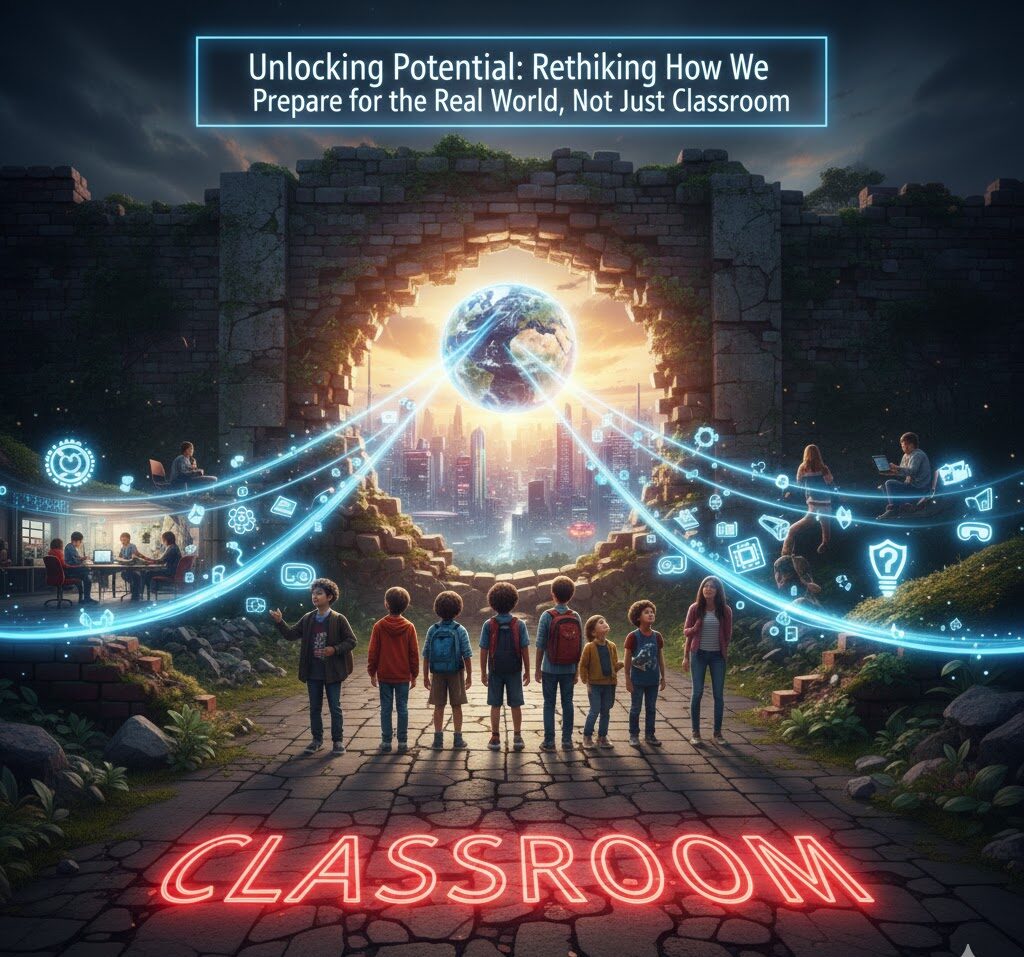
Rethinking How We Prepare for the Real World
I’ve lost count of the number of times I’ve heard, “But when will I ever use this in real life?” It’s a question that has echoed in classrooms for as long as I can remember, and it’s a valid one. As a mentor and educator with over two decades in the system, I’ve seen firsthand
how the disconnect between what’s taught and what’s needed in the real world can leave students feeling lost, frustrated, and, frankly, unprepared. This isn’t just about the occasional student; it’s a systemic issue, and it’s something we need to address urgently. Because let’s be honest, the world is changing faster than ever, and our education system needs to keep pace.
The Cracks in the Foundation: Why Traditional Education Often Falls Short
The traditional model of education, the one many of us grew up with, is often built on a foundation of memorization, standardized tests, and a rigid curriculum. Don’t get me wrong; there are strengths to this approach. It provides a structured framework and can equip students with a basic understanding of core subjects.
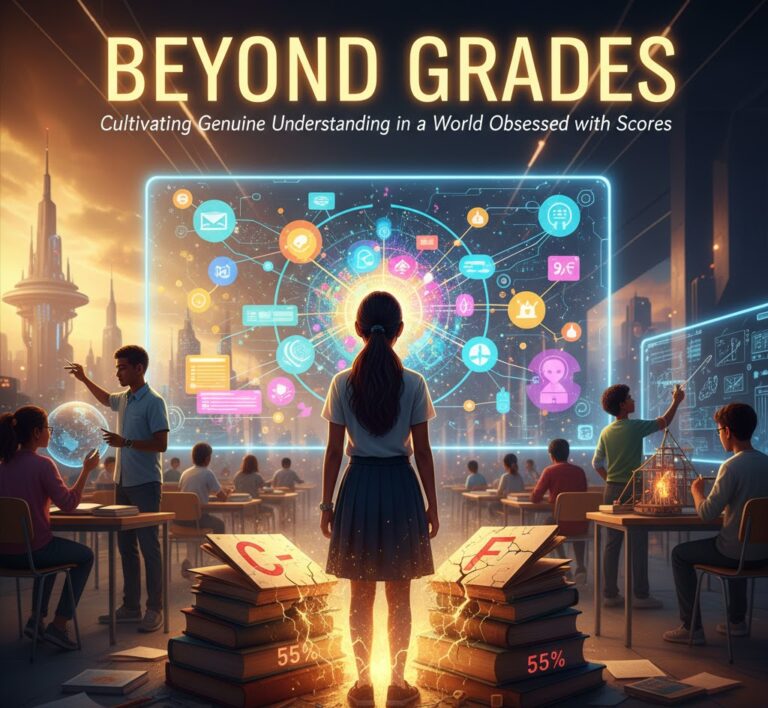
However, its flaws are becoming increasingly apparent, especially when it comes to preparing students for the complexities of the 21st century. The focus is often on content delivery rather than on cultivating critical thinking, problem-solving, and adaptability – the very skills that are in high demand in today’s job market.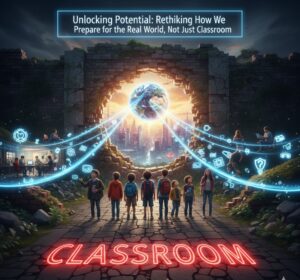 I remember a bright young student named Sarah. She aced every exam, had a near-perfect GPA, and could recite historical dates and scientific formulas with ease. Yet, when faced with a real-world project – designing a marketing campaign for a local charity, for instance – she struggled.
She lacked the confidence to brainstorm ideas, the ability to work collaboratively, and the creative spark to develop a compelling message. This wasn’t a reflection of her intelligence, but rather a consequence of an educational system that prioritized rote learning over practical application.
This is where traditional education struggles. It often fails to connect the dots between what’s being taught and how it applies in the real world. The focus is on the “what” and the “how much,” rather than the “why” and the “how.” It’s like giving someone a hammer and telling them how to swing it, without explaining why they need a hammer in the first place.
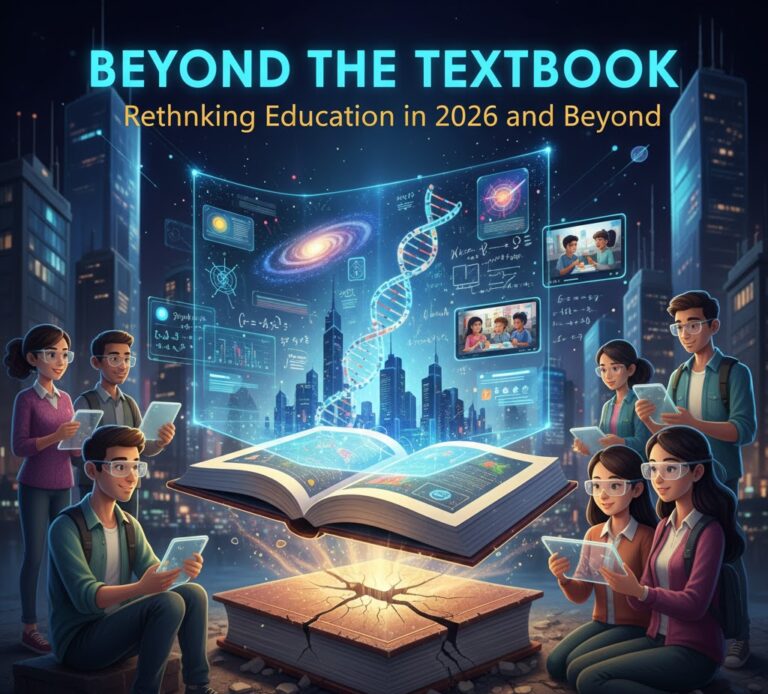
How Learning Really Happens: Beyond the Textbook
So, how do we learn, really? The answer is more nuanced than you might think. While textbooks and lectures have their place, the most effective learning happens when we’re actively engaged, when we’re curious, and when we see a direct connection between
what we’re learning and our own lives. It’s about more than just absorbing information; it’s about making sense of it, applying it, and using it to solve problems. It’s about developing a growth mindset – the belief that our abilities and intelligence aren’t fixed but can be developed through dedication and hard work.
I’ve witnessed this firsthand. In my early years, I taught a history class where the students were consistently disengaged. They saw history as a collection of dry facts, irrelevant to their lives. Then, I decided to revamp the curriculum. We started with the question: “How does history impact our lives today?”
We studied current events, traced their roots back to historical events, and discussed how those events shaped the world. Suddenly, history came alive. Students were not only memorizing dates and names, but they were also analyzing, debating, and forming their own opinions. The class became a vibrant space for learning, not just for the students, but for me as well.
This shift emphasizes a few key principles of effective learning:
- Active engagement: Learning isn’t a passive activity. It requires participation, discussion, and hands-on activities.
- Relevance: Connecting what’s being learned to real-world problems and scenarios makes it more meaningful.
- Curiosity: Fostering a sense of wonder and encouraging questions drives deeper learning.
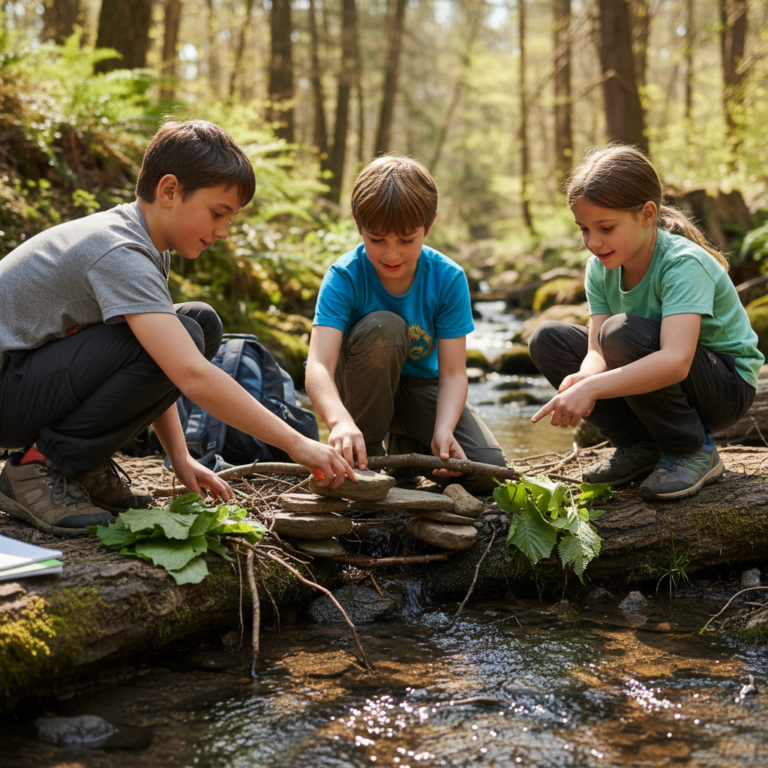
- Application: Applying what’s learned through projects, experiments, and problem-solving solidifies understanding.
Common Mistakes: Students, Parents, and Institutions
The path to effective learning is often obstructed by common mistakes made by students, parents, and even the institutions themselves. Recognizing these pitfalls is the first step toward overcoming them.
Mistakes Students Make
- Passive Learning: Sitting in class, taking notes, but not actively participating.
- Memorization Over Understanding: Focusing on memorizing facts rather than grasping concepts.
- Fear of Failure: Avoiding challenges and new experiences for fear of making mistakes.
- Lack of Self-Reflection: Not taking the time to understand their own learning styles and preferences.
Mistakes Parents Make
- Overemphasis on Grades: Focusing on marks and missing the bigger picture of holistic development.
- Micromanaging: Stepping in too much and not allowing the student to develop independence.
- Comparison: Comparing their child to others, leading to unnecessary pressure and stress.
- Ignoring Interests: Pushing their children towards certain subjects or careers, even if they aren’t a good fit.
Mistakes Institutions Make
- Rigid Curriculum: Sticking to outdated teaching methods that don’t cater to different learning styles.
- Lack of Real-World Connection: Not integrating practical skills and real-world projects.
- Insufficient Teacher Training: Teachers need support and training in modern teaching techniques.
- Ignoring Individual Needs: Failing to provide personalized learning experiences that cater to individual student needs and interests.
Busting Education Myths: Marks vs. Learning, Degrees vs. Skills
There are many myths in the education landscape, beliefs that can hinder true learning and set students up for disappointment. It’s time to bust a few of the most prevalent ones.
Myth: High Marks Guarantee Success
While good grades are important, they are not the only measure of success. The ability to think critically, solve problems, communicate effectively, and adapt to change is equally, if not more, important. I’ve seen countless students with high marks struggle in the real world because they lacked these essential skills.
Myth: A Degree is a Guaranteed Ticket to a Good Job
A degree can open doors, but it doesn’t guarantee a job. In today’s competitive market, employers are looking for skills, experience, and a strong work ethic. A degree can be a good foundation
but it must be supplemented with practical skills, internships, and a proactive approach to career development. The Great Resignation Was Just the Beginning: Building a Career That Lasts in the Age. highlights the importance of adaptability and continuous learning.
Myth: Learning Stops After School
Lifelong learning is no longer a luxury; it’s a necessity. The world is changing too rapidly for anyone to rely on what they learned in school. Continuous learning, skill development, and a willingness to embrace new challenges are crucial for personal and professional growth.
The Long-Term Impact: Careers, Mindset, and Personal Growth
The way we learn has a profound impact on our careers, our mindset, and our overall personal growth. It shapes how we approach challenges, how we interact with others, and how we navigate the world around us.
Career Impact
Effective learning fosters the skills employers seek. Critical thinking, problem-solving, communication, and adaptability are highly valued in the workplace. Moreover, the ability to learn continuously and embrace new technologies is essential for career success in an ever-evolving world. An education focused on these skills sets students up to thrive, not just survive, in the competitive landscape.
Mindset Development
A positive learning experience builds a growth mindset. It instills the belief that abilities can be developed, not fixed. This mindset fosters resilience, perseverance, and a willingness to take on challenges. Students who develop this mindset are more likely to embrace change, bounce back from setbacks, and achieve their goals.
Personal Growth
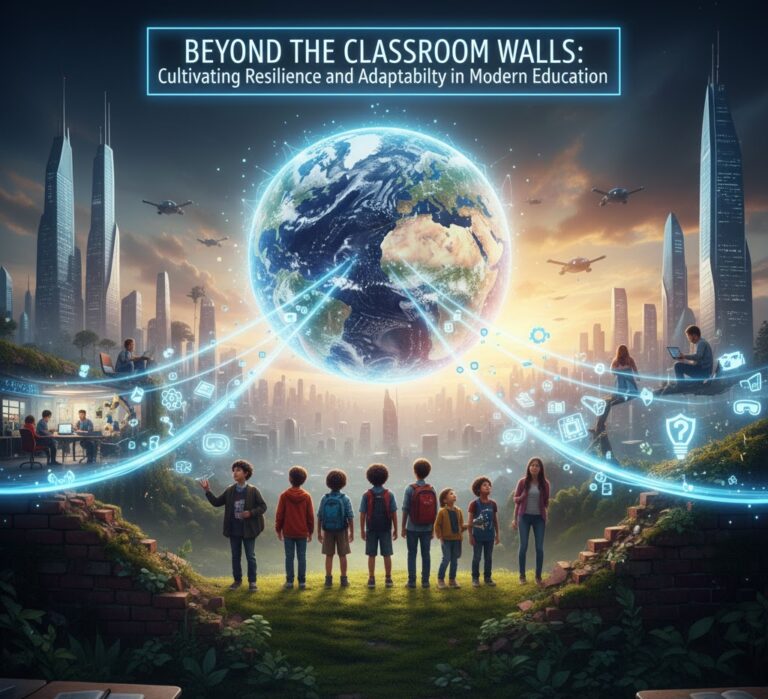
Learning is not confined to the classroom. It’s a lifelong journey of self-discovery and personal growth. It helps us understand ourselves better, our place in the world, and how we can contribute to society. A love for learning enhances our curiosity, broadens our perspectives, and enriches our lives.
The Future of Learning: Trends and Outlook
The landscape of education is rapidly evolving, driven by technological advancements, changing societal needs, and a deeper understanding of how the brain learns. Here are some key trends to watch:
- Personalized Learning: Tailoring education to individual student needs, interests, and learning styles.
- Project-Based Learning: Engaging students in real-world projects that encourage collaboration, problem-solving, and creativity.
- Technology Integration: Utilizing technology to enhance learning, provide access to information, and facilitate collaboration.
- Focus on Soft Skills: Emphasizing the development of skills like communication, critical thinking, and emotional intelligence.
- Micro-credentials: Recognizing and valuing skills and knowledge gained outside of traditional degrees.
- Lifelong Learning Platforms: Easy access to continuous learning resources to adapt to career changes.
The future of learning will be more flexible, personalized, and relevant than ever before. It will be a collaborative effort between educators, students, parents, and the broader community.
FAQ: Addressing Common Concerns and Questions
1. How can I help my child develop a love for learning?
Encourage curiosity! Ask questions, provide opportunities for exploration, and make learning fun. Connect what your child is learning to their interests and the world around them. Create a supportive environment where mistakes are seen as opportunities for growth.
2. Are grades the only measure of success?
No. While grades are important, they are not the only measure of success. Develop a holistic approach that includes critical thinking, problem-solving, communication, collaboration, and creativity. Recognize and celebrate your child’s strengths and achievements, both inside and outside of the classroom.
3. What are the most important skills for the future?
Adaptability, critical thinking, problem-solving, communication, and emotional intelligence. These skills are essential for navigating the complexities of the 21st century and succeeding in a rapidly changing world.
4. How can schools better prepare students for the real world?
By incorporating real-world projects, internships, and apprenticeships. By teaching practical skills, such as financial literacy, coding, and design. By emphasizing collaboration, communication, and critical thinking. By creating a curriculum that is relevant and engaging.
5. Is online learning as effective as in-person learning?
The effectiveness of online learning depends on several factors, including the quality of the online courses, the student’s learning style, and the availability of support. Both online and in-person learning have their advantages and disadvantages. The best approach may vary based on individual circumstances and preferences.
6. How can I support my child if they’re struggling in school?
Communicate with their teachers, identify their challenges, and provide support at home. Create a structured study environment, offer encouragement, and connect them with resources, such as tutoring or mentorship, if needed. Help them understand their learning styles.
7. What is the role of technology in education?
Technology can be a powerful tool for enhancing learning. It can provide access to vast amounts of information, facilitate collaboration, and offer personalized learning experiences. However, it’s important to use technology thoughtfully, ensuring that it supports rather than distracts from the learning process.
8. How do I help my child prepare for a career that doesn’t even exist yet?
Focus on developing transferable skills such as critical thinking, problem-solving, communication, adaptability, and a strong work ethic. Encourage your child to embrace lifelong learning and stay curious. Expose them to a wide range of experiences and opportunities that will broaden their horizons and help them discover their passions. Help them build a strong foundation, and the future will take care of itself.
The world is changing, and so must our approach to education. By embracing new methods, challenging old assumptions, and prioritizing the skills and mindsets that will help students thrive, we can unlock their potential and prepare them to make a real difference in the world. As an educator, my hope is that the conversations in classrooms, boardrooms, and living rooms continue to evolve to meet this goal.