
Why Good Enough Is Killing Your Career And How to Break Through
Let’s be real. How many times have you heard, “Just do your job”? Or maybe, “Don’t rock the boat”? We’ve all been there. You clock in, do what’s asked, and clock out.
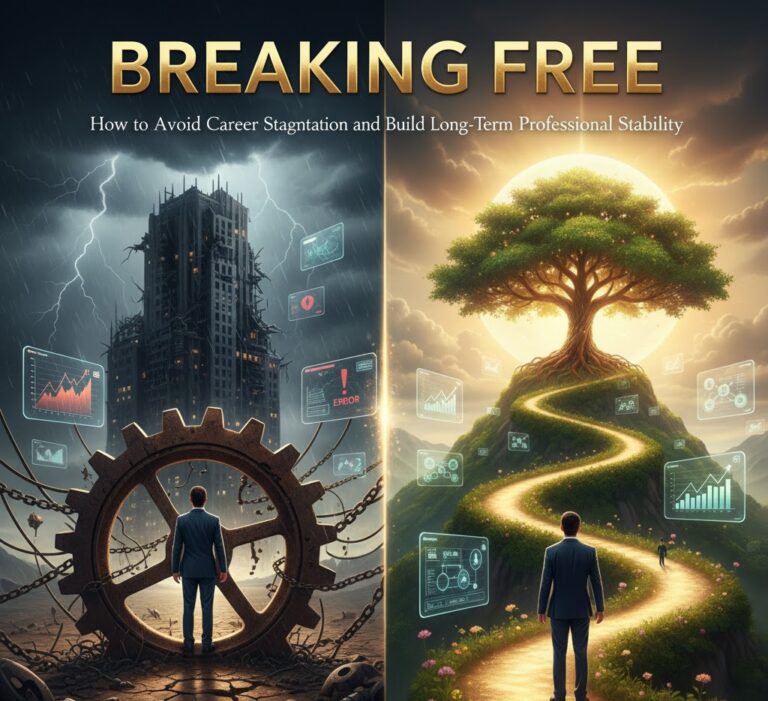
Rinse and repeat. You might even be good at your job. But here’s the cold, hard truth: Good isn’t enough anymore. Not if you want to get ahead. Not if you want a career that gives you more than just a paycheck. This is where the invisible ceiling comes in. It’s not a literal barrier. It’s the set of self-imposed limitations, the lack of ambition, and the unspoken agreement to stay comfortably mediocre. It’s the reason why so many talented people get stuck, while others—maybe not even as skilled—skyrocket. I’ve seen it play out for over two decades. And trust me, it’s a brutal cycle.
I’m not talking about some grand conspiracy. It’s usually not a case of someone holding you back. It’s a combination of factors, a lot of which you control. Let’s break it down.
The Trap of Complacency: When Comfort Becomes the Enemy
The first sign of the invisible ceiling is complacency. It creeps in slowly. You get comfortable with your routine. You master your tasks. You become a reliable cog in the machine. And that’s fine, to a point. But here’s the kicker: being a reliable cog doesn’t guarantee growth.
Consider this scenario. You’ve been in your role for three years. You’re efficient. You meet deadlines. Your manager gives you positive feedback. You think you’re doing well. But what have you actually *achieved*? Did you learn any new skills? Did you take on any new responsibilities? Did you push yourself outside of your comfort zone?
If the answer to most of those questions is no, you’re likely bumping against that ceiling. You’re not actively moving towards something *more*. You’re just maintaining. And in today’s fast-paced world, maintaining means falling behind. Because while you’re staying put, others are leveling up.
Here’s what complacency looks like in action:
- Avoiding challenges: You shy away from projects that seem difficult or require you to learn new things.
- Rejecting feedback: You get defensive when someone suggests ways you could improve.
- Sticking to the familiar: You avoid any tasks or roles that are outside of your core responsibilities.
- Ignoring industry trends: You don’t bother to keep up with changes in your field or learn new tools.
It’s tempting to stay in the comfort zone. It’s safe. It’s familiar. But the invisible ceiling thrives in comfort. You have to actively fight it.
The Skill Gap: The Silent Thief of Opportunity
The skills you have *right now* are probably enough to get your job done. But are they enough to propel you forward? Probably not. The skills that got you here won’t necessarily take you there. This is especially true now. The job market is volatile. Technology is advancing at warp speed.
This is where another component of the invisible ceiling comes in: the skill gap. This isn’t just about technical skills. It’s about a broader set of competencies—things like communication, problem-solving, leadership (even if you’re not in a leadership role), and adaptability.
Here’s a harsh truth: If you’re not constantly learning and developing new skills, you’re not just standing still; you’re regressing. Your existing skills are becoming less valuable. The market is constantly changing and those who adapt will thrive.
Think about the last time you learned a completely new skill for your job, not just a new software or a new process. I mean, a genuinely new skill, like data analysis, public speaking, or project management. If it was longer ago than you’d like to admit, you’ve got a problem.
What can you do? This one is simple but requires consistency. Cultivate a love for learning. Seek out opportunities to expand your skillset. Take online courses, attend workshops, read industry publications, and network with other professionals. The best investments are those that you make in yourself.
The Mindset Shift: From Employee to Professional
This is the most crucial part. You have to make a mindset shift. You have to stop thinking like an employee and start thinking like a professional. What does that mean?
It means taking ownership of your career. It means proactively seeking out opportunities, even if they’re not explicitly offered to you. It means being strategic about your development and making calculated risks.
Here’s the difference:
- Employee: Waits for instructions. Doesn’t take initiative. Focuses on the bare minimum.
- Professional: Takes ownership. Looks for opportunities. Exceeds expectations.
It’s about understanding that your career is *your* responsibility. Your boss, your company, your colleagues—they all have their own agendas. Ultimately, only you are responsible for your success.
Start thinking about what you want to achieve in the next one, three, or even five years. What skills do you need to get there? What kind of experience do you need? Who do you need to network with? Once you have a clear vision, you can start building a plan.
Building Your Career Arsenal: Practical Strategies for Growth
So, how do you break through the invisible ceiling and start actually growing? Here are a few practical strategies that I’ve seen work firsthand:
- Define your goals: Where do you want to be in one, three, and five years? Be specific.
- Assess your skills: What skills do you have? What skills do you need? Identify your gaps.
- Create a development plan: Outline the steps you’ll take to acquire those skills.
- Seek out opportunities: Volunteer for projects, take on new responsibilities, and network.
- Get a mentor: Find someone who can guide you and provide valuable insights.
- Embrace feedback: Actively seek out feedback and use it to improve.
- Network strategically: Build relationships with people who can help you achieve your goals.
- Document your achievements: Keep a record of your accomplishments.
- Don’t be afraid to fail: Failure is a learning opportunity.
- Be persistent: Growth takes time and effort. Don’t give up.
Remember, this isn’t a race. It’s a marathon. Consistency, persistence, and a willingness to learn are key. Your career is not defined by your current job title, but by the trajectory you create.
Common Career Mistakes That Keep You Stuck
Let’s talk about some of the blunders that most professionals make. These mistakes can keep you firmly planted under that invisible ceiling. Knowing what to avoid is as important as knowing what to do.
- Relying solely on your manager: Your manager can be a great resource, but they’re not responsible for your career growth. That’s up to you.
- Failing to network: The power of networking can’t be overstated. Build relationships with people in your industry.
- Not asking for what you want: If you don’t speak up, no one will know what you’re looking for.
- Being afraid to take risks: Calculated risks are essential for growth. Don’t be afraid to step outside of your comfort zone.
- Ignoring your own values: Know what’s important to you in a job and a career. Do not sacrifice them to fit in.
- Not negotiating your salary: This is a massive one. You’re leaving money on the table. Negotiate!
Busting Career Myths
There are some widely accepted ‘truths’ about careers that simply aren’t true. Let’s kill a few myths:
-
- Myth: Hard work alone guarantees success.
Reality: Hard work is essential, but it’s not enough. You also need skills, networking, and a proactive approach.
-
- Myth: Loyalty guarantees career growth.
Reality: Loyalty is valued, but it’s not a substitute for performance and results. Companies don’t always reciprocate.
-
- Myth: Your manager always knows what’s best for you.
Reality: Your manager might have your best interests at heart, but they also have their own goals. You’re the one in charge of your career.
-
- Myth: You need a fancy degree to succeed.
Reality: While education is valuable, skills, experience, and drive matter more. There are a lot of successful people who never finished college.
The Long-Term Impact: Income, Reputation, and Security
Breaking through the invisible ceiling has a profound impact on your long-term career. It affects:
- Income: As you gain new skills and experience, you become more valuable to employers. This translates to higher salaries and better benefits.
- Reputation: Your reputation is built on your achievements and your ability to deliver results. A strong reputation opens doors to new opportunities.
- Career security: The more adaptable you are, the more resilient you are in a changing job market.
It’s important to see your career not as a series of short-term goals, but as a long-term investment. By constantly growing and adapting, you protect your professional future.
The Future of Work: What to Expect
The workplace is in constant flux. The skills that are in demand today will likely change significantly in the next few years. What can you expect?
- Automation: Automation will continue to reshape industries. Some jobs will disappear, while new ones will emerge. Adaptability is key.
- Remote work: Remote and hybrid work arrangements are here to stay. This creates both opportunities and challenges.
- The gig economy: The gig economy will continue to grow, offering more flexibility but also less job security.
- Lifelong learning: The need for continuous learning will become even more critical. You’ll need to constantly update your skills to stay relevant.
- The importance of soft skills: Soft skills, such as communication, collaboration, and critical thinking, will become even more valuable.
Staying informed about industry trends and being prepared to adapt to change is essential. Don’t get caught off guard.
FAQ: Your Burning Career Questions Answered
Here are some of the most common questions working professionals ask:
Q: How do I identify my skill gaps?
A: Look at job postings for the roles you want. See what skills they’re looking for, then honestly assess your own skillset. Also, talk to people in your field and ask them what skills are in demand.
Q: How do I negotiate a salary increase?
A: Do your research. Know what the market rate is for your position. Document your achievements. Practice your pitch. Be prepared to walk away if you don’t get what you want.
Q: How can I build a strong professional network?
A: Attend industry events, join professional organizations, connect with people on LinkedIn, and reach out to people for informational interviews. Be genuine and offer value to others.
Q: How do I deal with a difficult manager?
A: Document everything. Understand your company’s HR policies. If the situation is intolerable, start looking for a new job. Your mental health is important.
Q: Is it okay to switch jobs frequently?
A: Not necessarily. Too many short-term job changes can raise red flags. But if you have a clear reason for moving on (career growth, better pay, etc.) and can demonstrate that you’re committed to your profession, it’s not always a bad thing.
Q: How do I find a mentor?
A: Identify people in your field that you admire. Reach out and ask if they’re willing to provide guidance. Be respectful of their time and come prepared with questions.
Q: What if I’m not passionate about my job?
A: Most people aren’t. Don’t feel the need to be “passionate” about your job. Instead, find ways to make it engaging. Focus on your goals and strive to achieve them. If you’re truly miserable, start looking for something else.
Q: How can I stay motivated when things get tough?
A: Remind yourself of your goals. Break down large tasks into smaller, more manageable steps. Celebrate your successes, no matter how small. Take breaks. Seek support from friends, family, or a therapist.
Breaking the invisible ceiling is not always easy, but it’s achievable. It takes a conscious effort, a willingness to learn, and a proactive approach. It’s a journey, not a destination. But the rewards—a fulfilling career, greater financial security, and a sense of purpose—are well worth the effort. It all starts with taking that first step and deciding that “good enough” is simply not enough.