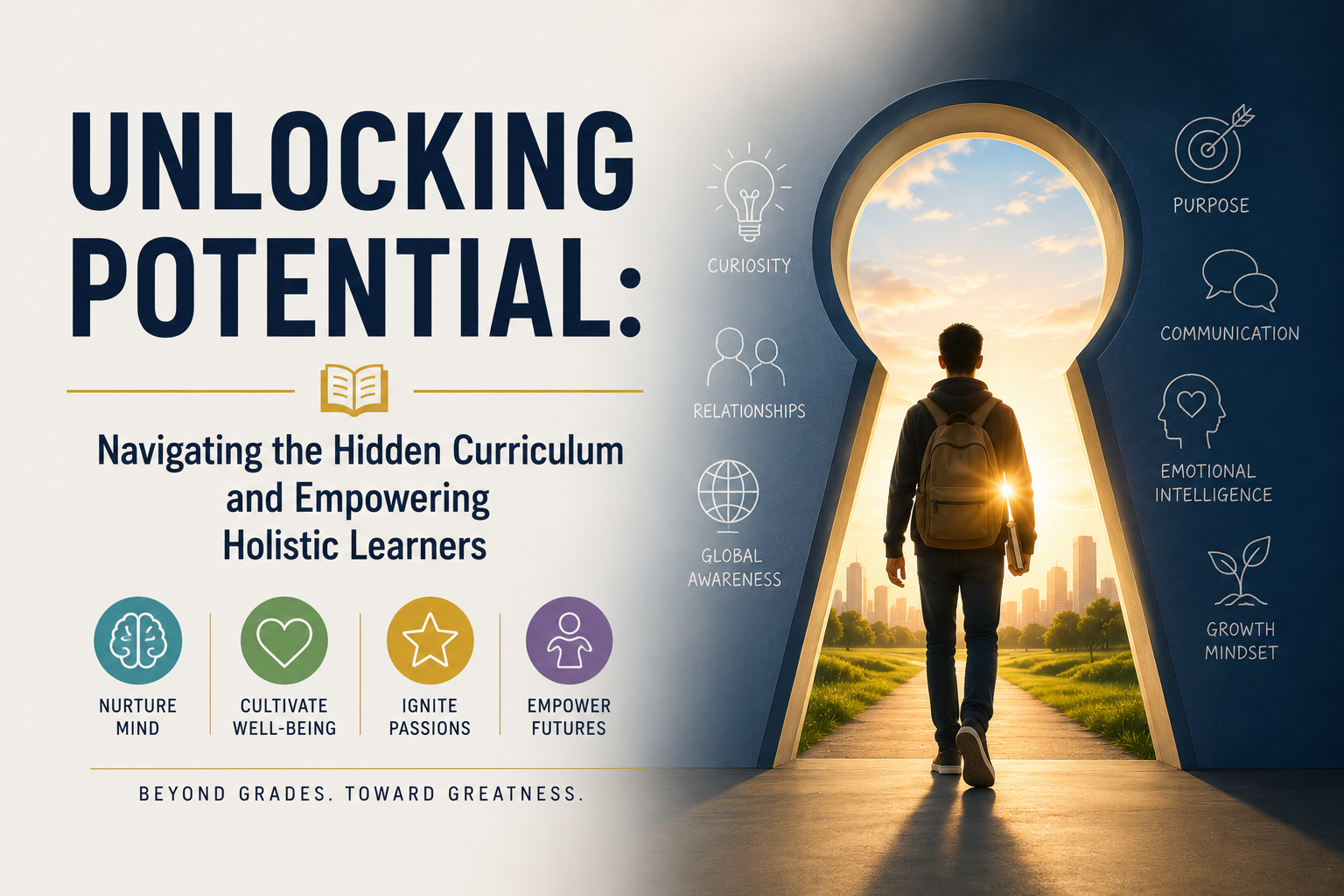
Unlocking Potential: Navigating the Hidden Curriculum and Empowering Holistic Learners
I remember this one student, let’s call him Rohan. Brilliant kid, top of his class, always acing exams. But Rohan was…stuck. He could recite facts, solve complex problems, and write beautifully crafted essays.
Yet, when faced with a real-world situation – like organizing a school event or resolving a conflict with a classmate – he’d freeze. It was as if the knowledge he’d accumulated in the classroom couldn’t translate into action. This is a common phenomenon that highlights the importance of what is often called the “hidden curriculum.”
What Exactly is the Hidden Curriculum?
The formal curriculum consists of the subjects, lessons, and assessments explicitly taught in schools and other educational environments. The hidden curriculum, on the other hand, is made up of the unspoken and often unintentional lessons students learn simply by being in the education system.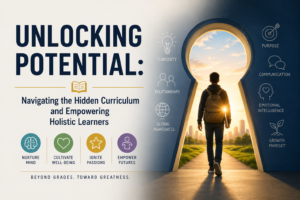 It encompasses the norms, values, and attitudes that are conveyed through the structure of the school, the behaviors of teachers, and the interactions between students. These lessons, though not formally taught, can profoundly shape a student’s development.
Think about it. A student learns punctuality not just by being told to arrive on time, but by experiencing the consequences of tardiness. They learn how to navigate social hierarchies through the informal pecking order in the classroom.
They learn to value conformity and obedience – or, sometimes, to rebel against them – through the system’s rules and expectations. All these things form part of the hidden curriculum.
The Impact of the Hidden Curriculum
The impact of this hidden curriculum is significant. It shapes how students view themselves, their peers, and the world around them. It influences their sense of identity, their social skills, and their attitudes toward authority. For students like Rohan, the hidden curriculum can create a disconnect.
They may excel academically but struggle to apply their knowledge in real-world situations because they haven’t learned the “soft skills” that are essential for success: communication, collaboration, problem-solving, and adaptability. These skills are often best developed through experiences and interactions, not through textbooks alone.
Consider the impact on career choices, too. A student who learns to be risk-averse in a highly structured classroom environment might be less likely to pursue entrepreneurial ventures later in life.
A student who learns to value individual achievement over teamwork might struggle in collaborative work settings. Conversely, a positive hidden curriculum can foster a growth mindset, encourage empathy, and instill a sense of social responsibility.
Navigating the Challenges
Navigating the hidden curriculum is a complex process for students, parents, and educators alike. One major challenge is that the hidden curriculum is, by its very nature, often implicit and unacknowledged.
Many teachers and administrators may not even be fully aware of the messages they are sending through their actions and attitudes. This is where a more mindful approach becomes crucial. Here are some strategies:
- For Students: Encourage self-reflection. Ask yourself, “What am I learning about myself and the world through this experience?”
- For Parents: Be aware of the messages schools are sending and discuss them with your children. Create opportunities for experiences outside of the classroom to develop well-roundedness.
- For Educators: Regularly evaluate your teaching practices and the school environment. Be explicit about the values you want to instill, and model the behaviors you want to see in your students.
It’s important to remember that not all aspects of the hidden curriculum are negative. It can also teach valuable lessons about discipline, perseverance, and respect. The key is to be aware of its influence and to strive to create a learning environment that nurtures the whole child—academically, socially, and emotionally. Understanding how learning truly happens is paramount.
Addressing Common Mistakes
A few common mistakes often exacerbate the negative effects of the hidden curriculum:
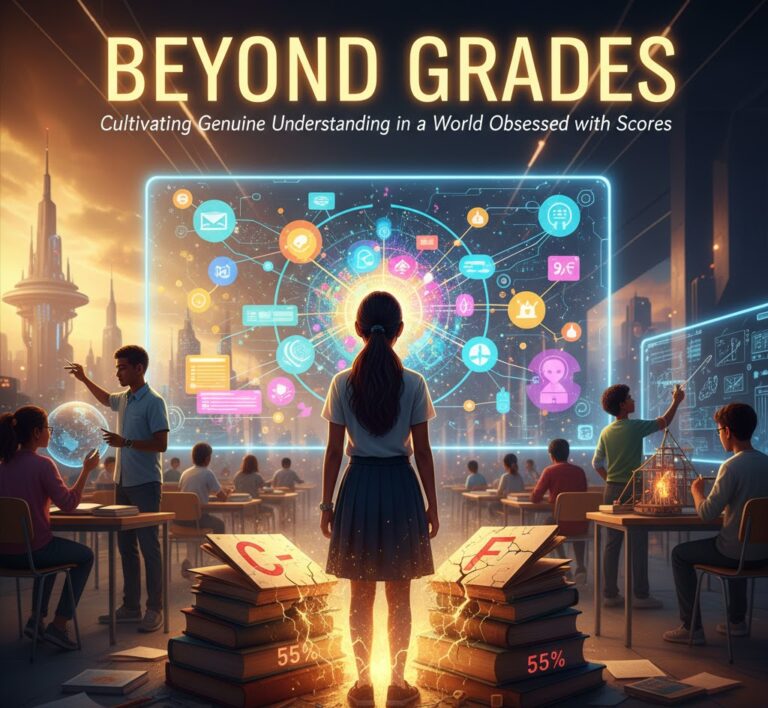
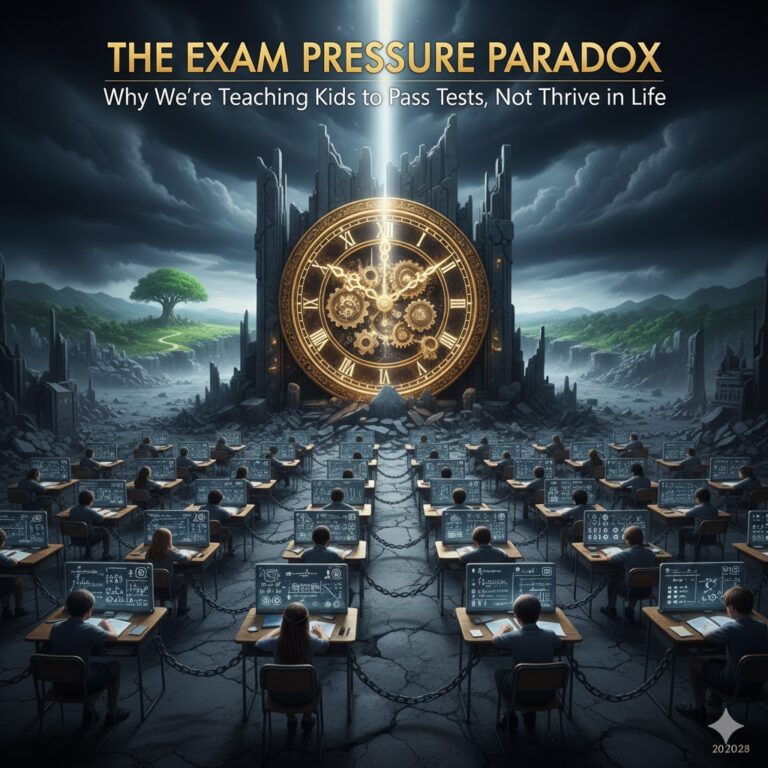
- Overemphasis on Grades: Parents and schools sometimes overemphasize grades, leading students to focus on memorization rather than true understanding. This can discourage them from taking risks and exploring their own interests.
- Lack of Practical Application: Education often focuses on theoretical knowledge without providing ample opportunities for students to apply what they learn in real-world contexts.
- Limited Social-Emotional Learning (SEL): Schools may neglect to teach students about emotional intelligence, empathy, and conflict resolution, which are crucial for navigating social situations and building healthy relationships.
These mistakes reinforce the idea that education is primarily about accumulating knowledge, not about developing skills and character. The repercussions can be long-lasting, impacting a student’s ability to thrive in a career, their relationships, and their overall well-being. Parents often focus on marks and miss the bigger picture of what a student truly needs to be successful.
Busting Education Myths
Many myths persist about education that can also be challenged by understanding the impact of the hidden curriculum:
- Myth 1: “Good grades guarantee success.” While academic achievement is important, it’s not the sole determinant of success. Soft skills, emotional intelligence, and real-world experience are also essential.
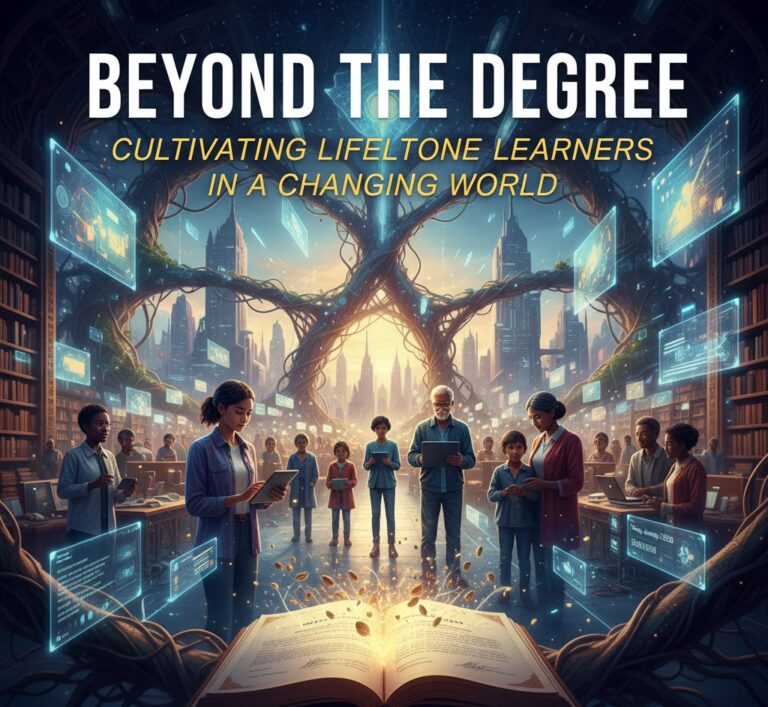
- Myth 2: “A degree is all you need.” A degree can open doors, but it’s the skills and knowledge you gain through experience and continuous learning that truly propel you forward.
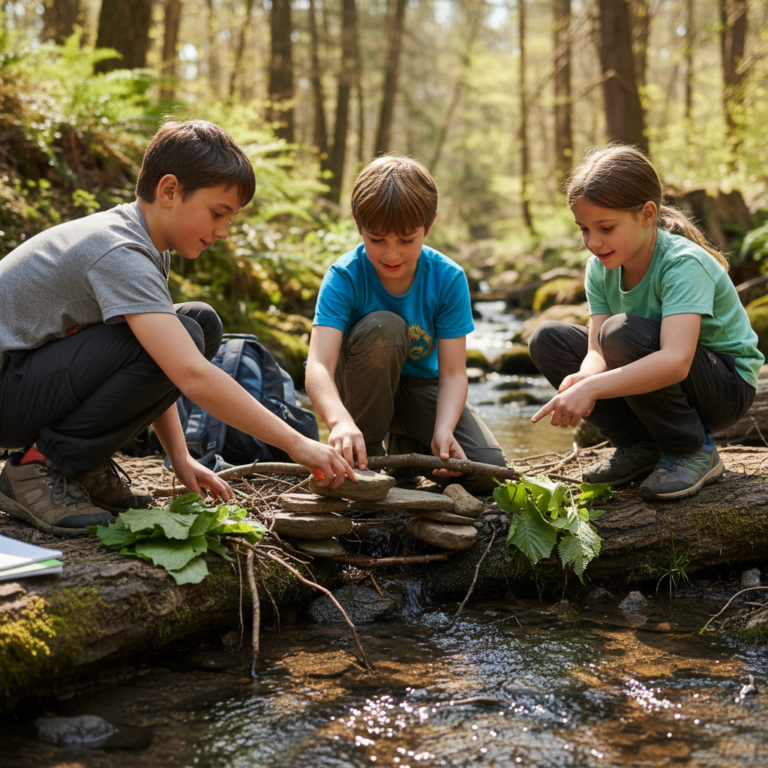
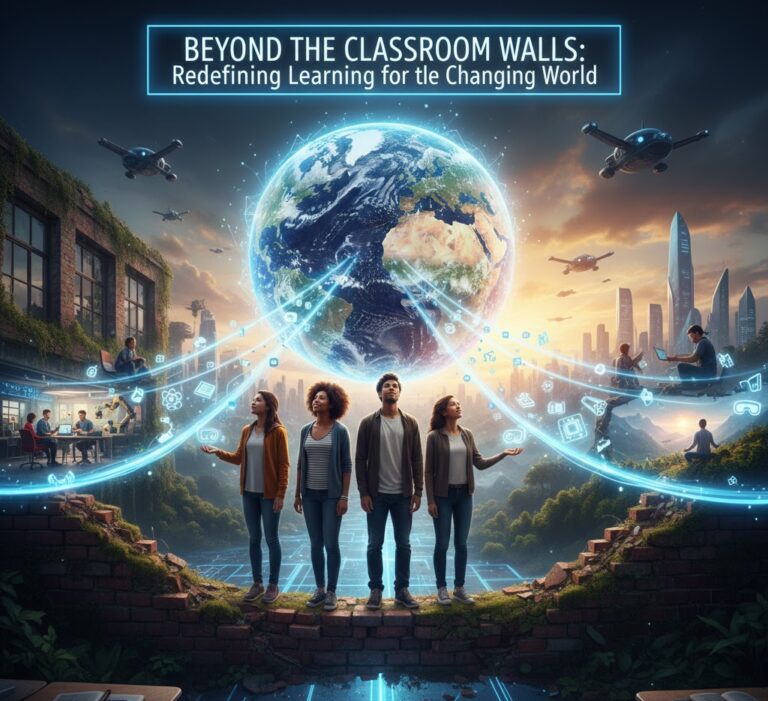
- Myth 3: “Learning is only for the classroom.” Learning is a lifelong process that extends far beyond the classroom walls. Experiential learning and learning through collaboration and work are just as essential as formal education.
These myths create unrealistic expectations and can lead to disappointment and disillusionment for students and parents. Realizing that education encompasses so much more than what is found in a textbook is a critical step in helping students unlock their full potential.
The Long-Term Impact
The lessons learned, both explicit and implicit, during a student’s formative years have a profound impact on their long-term development. The hidden curriculum contributes to shaping a student’s mindset, which, in turn, influences their career path, their relationships, and their overall satisfaction with life.
A student who develops a growth mindset through a positive hidden curriculum is more likely to embrace challenges, learn from failures, and persist in the face of adversity. This can translate into greater career success, a more resilient outlook, and a deeper sense of fulfillment. Conversely, a student who internalizes negative messages about their abilities or potential may struggle to overcome obstacles and may limit their own opportunities.
The Modern Education Environment (2025-2026)
The education landscape in 2026 is constantly evolving, shaped by technology, globalization, and societal changes. In this context, the hidden curriculum takes on even greater significance.
Schools and educational institutions are increasingly recognizing the need to foster students’ adaptability, critical thinking, and socio-emotional skills, as well as the need for career-linked education.
To address this, the hidden curriculum must be intentionally designed and monitored to create a more supportive and empowering learning environment. Schools need to focus on equipping students with the tools they will need to thrive in a rapidly changing world.
This means:
- Integrating technology thoughtfully: Using technology to enhance learning and promote collaboration, rather than simply replicating traditional teaching methods.
- Emphasizing real-world applications: Designing projects and activities that allow students to apply their knowledge in practical contexts.
- Prioritizing SEL: Implementing programs and practices that teach students about emotional intelligence, empathy, and conflict resolution.
Future Outlook
Looking ahead, the future of education will likely be characterized by increased personalization, greater emphasis on lifelong learning, and a broader understanding of what constitutes success. The hidden curriculum will continue to play a crucial role in shaping student outcomes.
Educators will need to be increasingly mindful of the messages they are sending and to create learning environments that nurture not only academic achievement but also personal and social growth.
Understanding the impact of the hidden curriculum is a crucial step towards building a more equitable and empowering education system for all. Complifest can provide more insight on educational resources.
Frequently Asked Questions (FAQ)
Here are some frequently asked questions about the hidden curriculum:
- What is the difference between the formal and hidden curriculum? The formal curriculum is what is explicitly taught (subjects, lessons), while the hidden curriculum is the implicit lessons learned through the structure and culture of the school.
- How does the hidden curriculum affect my child’s future? It shapes their values, social skills, and attitudes, influencing their career, relationships, and overall well-being.
- What can I do as a parent to support my child in navigating the hidden curriculum? Be aware of the messages schools are sending, discuss them with your child, and create opportunities for experiences outside of the classroom.
- How can schools create a more positive hidden curriculum? By being explicit about their values, modeling desired behaviors, and prioritizing SEL and real-world applications.
- Is the hidden curriculum always negative? No. It can also teach valuable lessons about discipline, perseverance, and respect. It’s about being aware of its influence.
- How can I tell if my child is struggling with the hidden curriculum? Look for signs like a disconnect between academic performance and real-world skills, difficulty with social interactions, or resistance to school rules.
- Are there ways to develop skills outside of formal education? Absolutely. Real-world experiences, internships, extracurricular activities, and community involvement are all excellent ways to develop practical skills and competencies.
- How will the hidden curriculum evolve in the future? It will likely become more intentional, focusing on skills like adaptability, critical thinking, and emotional intelligence, and will increasingly incorporate technology and real-world applications.