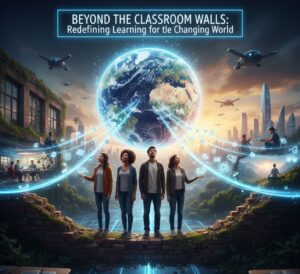
Beyond the Classroom Walls: Redefining Learning for a Changing World
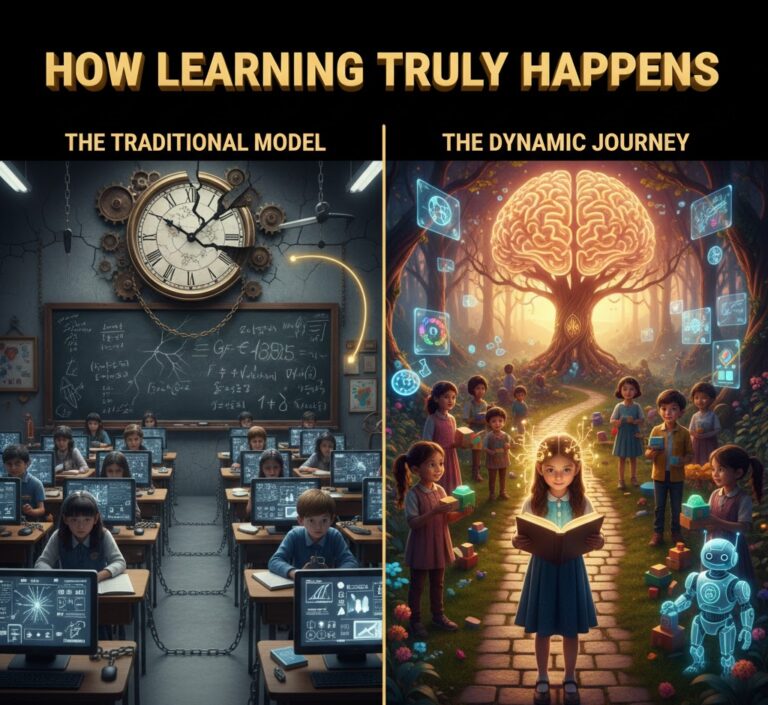
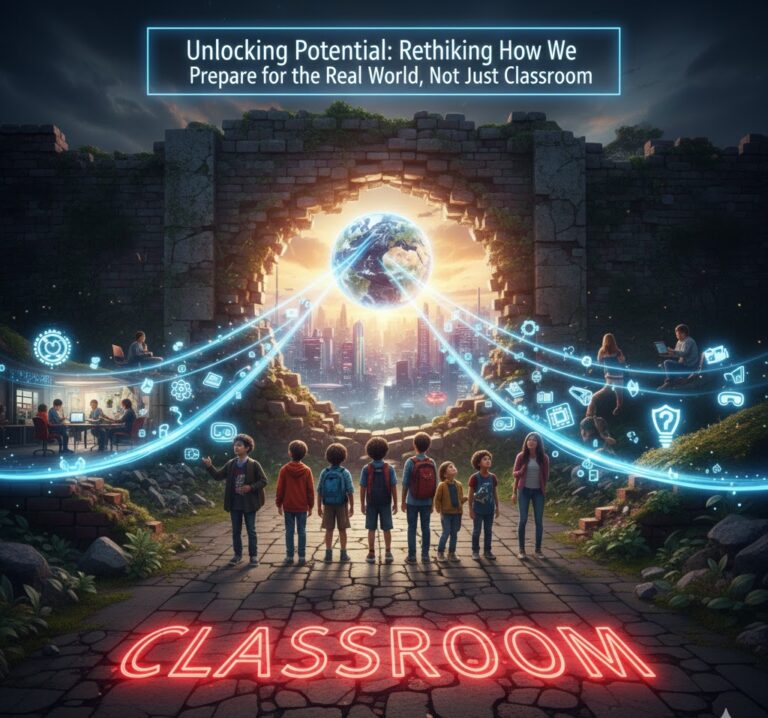
It’s a familiar scene, isn’t it? A classroom, the teacher at the front, students in rows, eyes glazed over, a palpable sense of… *blah*. We’ve all been there, whether as students, teachers, or parents. This traditional model, the one etched in our collective memory, often struggles to ignite a genuine passion for learning. It can feel like a one-size-fits-all approach in a world demanding unique skills and adaptable mindsets. But what if we could reimagine education, not just within the confines of a classroom, but as a dynamic, personalized journey that extends far beyond?
 Before diving into the “how” of reshaping education, let’s pause and consider the “why.” What *is* learning, at its core? It’s not simply memorizing facts for a test. Instead, learning is about making connections, building understanding, and creating lasting knowledge. Think about it: when you truly *learn* something, you’re not just passively absorbing information. You’re actively engaging with it, questioning it, and relating it to what you already know.
Think about learning to ride a bike. You don’t just read a manual. You *do*. You wobble, you fall, you get back up. Each failed attempt provides feedback, guiding you toward success. This iterative process, this hands-on experience, is fundamental to how we learn.
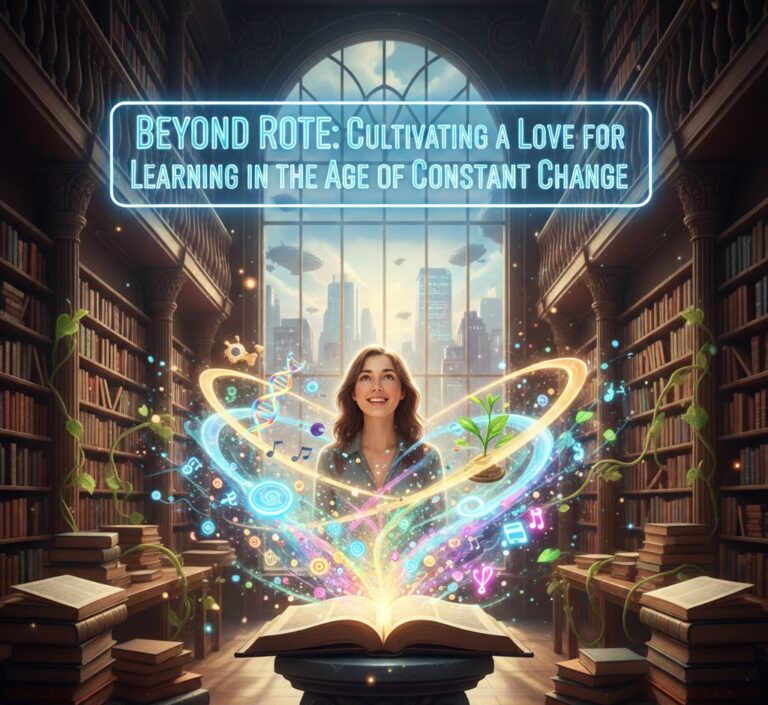
This is where traditional education struggles. Often, it emphasizes rote memorization over real-world application, and passive absorption over active engagement. We’re told to remember facts for a test, but the deeper, more meaningful understanding that fosters true learning is often missing. Many learners realize this only much later, when they’re trying to apply classroom lessons to real-world scenarios.
## The Shortcomings of the “Standard” Model: A Reality Check
The traditional education system, however well-intentioned, faces several challenges in today’s rapidly evolving world. One major issue is the lack of personalization. Every student is unique, with different strengths, weaknesses, and learning styles. Yet, the standard classroom often treats everyone the same, resulting in some students feeling bored and disengaged, while others struggle to keep up.
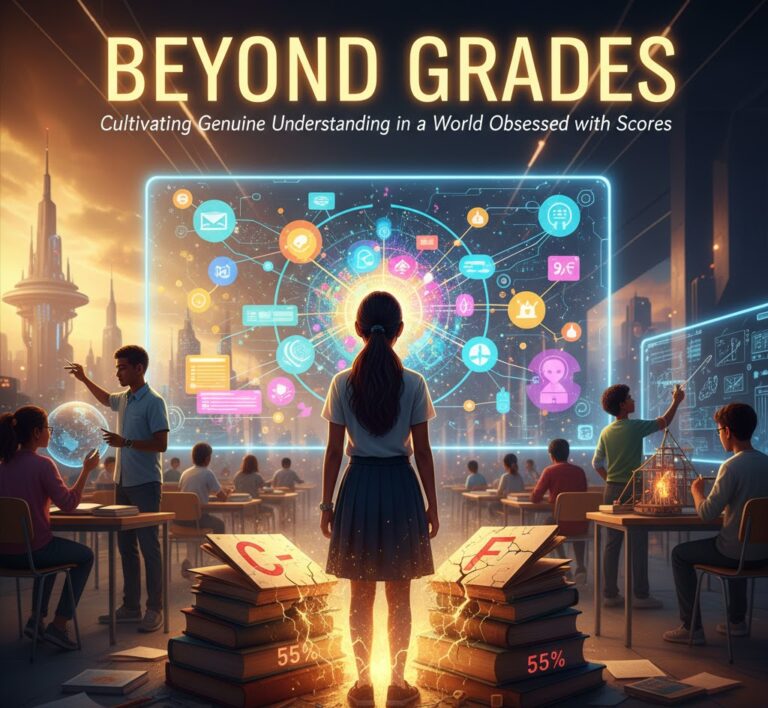
This is where traditional education struggles… The rigid curriculum and standardized testing can create a high-pressure environment, where the focus shifts from genuine learning to achieving good grades. Parents often focus on marks and miss the bigger picture of nurturing a child’s natural curiosity and fostering a love for learning.
Another significant shortcoming is the disconnect between the curriculum and the real world. Many students graduate without the practical skills and knowledge needed to succeed in today’s job market. They may have excellent grades, but lack the ability to solve problems, think critically, and adapt to change. The skills that employers now seek are often not the ones being taught in school.
## Common Mistakes: Students, Parents, and the System
The education landscape is filled with pitfalls. Students might focus on grades instead of learning, parents might push for academic achievement at the expense of their child’s well-being, and institutions might cling to outdated teaching methods.
Students often fall into the trap of cramming for tests, prioritizing short-term memorization over long-term understanding. This approach might yield temporary results, but it doesn’t build a solid foundation of knowledge. Many believe that higher scores are what ultimately matter.
Parents, understandably, want the best for their children. However, the pressure to succeed academically can sometimes lead to an overemphasis on grades, test scores, and extracurricular activities. This pressure can cause undue stress and anxiety in children and can sometimes stifle their natural curiosity and creativity.
The education system itself isn’t immune to making mistakes. Over-reliance on standardized testing, lack of funding for innovative programs, and resistance to change can all hinder progress. Many schools struggle to keep up with the rapid pace of technological advancements and the evolving needs of the job market.
## Busting Myths: Degrees, Skills, and the True Purpose of Education
It’s time to debunk some common myths that cloud our perception of education.
**Myth #1: Marks are the only measure of success.** While good grades are important, they are not the sole indicator of a student’s potential or abilities. Skills like critical thinking, problem-solving, creativity, and emotional intelligence are equally, if not more, important.
**Myth #2: A degree guarantees a successful career.** A degree can open doors, but it doesn’t guarantee success. Today’s employers value practical skills, experience, and a willingness to learn and adapt. A combination of formal education and skills-based training often is the best approach.
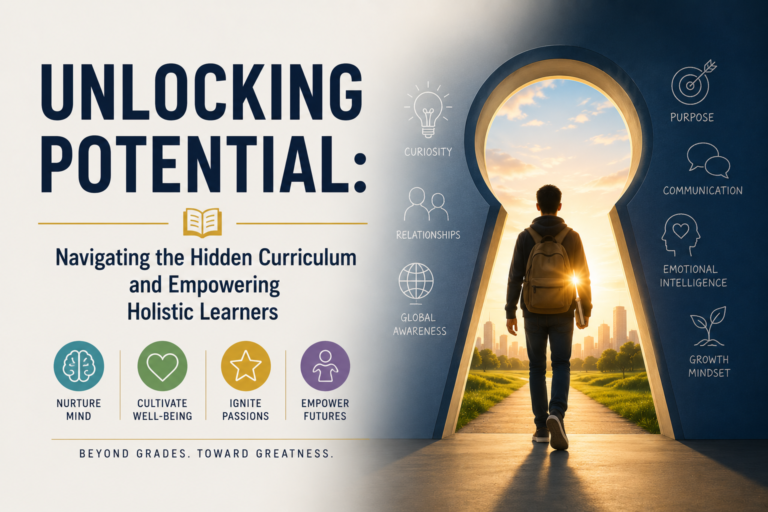
**Myth #3: Education is just about getting a job.** The true purpose of education goes far beyond career preparation. It’s about fostering intellectual curiosity, developing critical thinking skills, and preparing students to become lifelong learners. It’s about helping young people become well-rounded individuals who can contribute to society and live fulfilling lives.
## Long-Term Impacts: Shaping Careers, Mindsets, and Lives
The kind of education a person receives has a profound impact on their long-term outcomes. It shapes their career path, their mindset, and their overall quality of life.
A well-rounded education can lead to greater career opportunities, higher earning potential, and increased job satisfaction. It can equip individuals with the skills and knowledge needed to adapt to the changing demands of the job market.
Furthermore, education plays a vital role in shaping a person’s mindset. It fosters critical thinking, problem-solving abilities, and a growth mindset. It encourages individuals to be curious, open-minded, and lifelong learners. This, in turn, can lead to greater personal fulfillment and overall well-being.
Finally, education empowers individuals to make informed decisions, participate in society, and contribute to the greater good. It’s a key ingredient in building a more just and equitable world.
## The 2026 Education Environment: Modern Relevance and Future Trends
The education landscape in 2026 will look significantly different than it does today. We’re seeing a shift toward personalized learning, with a focus on individual student needs and learning styles. This means that curriculum and instruction are adapted to each student’s unique strengths, challenges, and interests.
Technology, including AI, will play a more significant role in the classroom. AI-powered platforms can provide personalized feedback, identify areas where students need support, and offer tailored learning resources. Augmented and virtual reality (AR/VR) will create immersive learning experiences, allowing students to explore complex concepts in a more engaging way.
Skills-based learning will continue to gain prominence. Employers will increasingly value practical skills and experience over traditional degrees. The focus will be on preparing students for specific roles and industries.
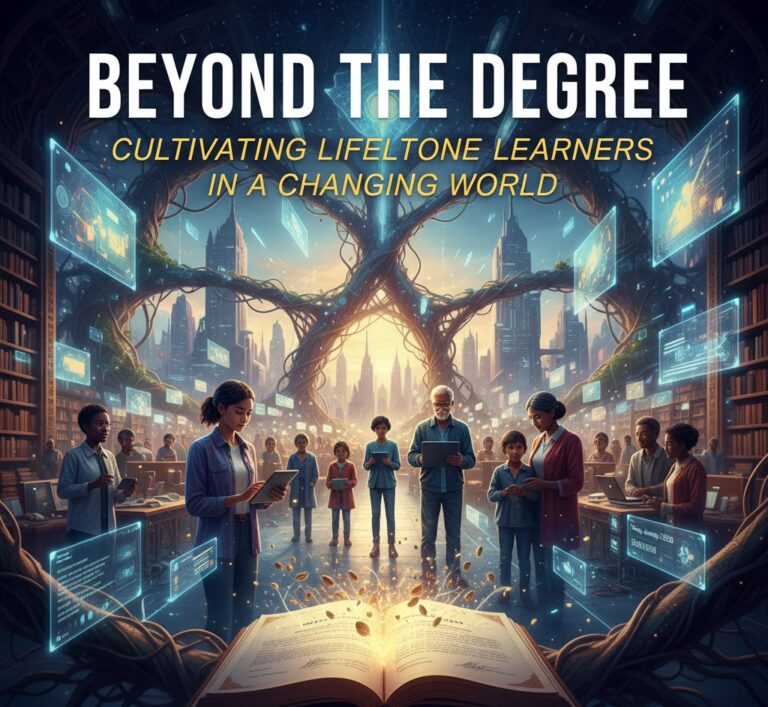
The concept of lifelong learning will become even more critical. With the rapid pace of technological advancements, workers will need to continuously update their skills and knowledge. Online learning platforms and micro-credentials will become increasingly popular, offering flexible and accessible opportunities for professional development.
## FAQs: Real Questions, Real Answers
Here are some questions that many students and parents are asking:
**1. How can I help my child develop a love for learning?**
Foster a supportive and encouraging environment. Encourage your child’s natural curiosity, provide access to books and resources, and make learning fun. Celebrate their successes and help them learn from their mistakes. Make time to discuss their interests and passions.
**2. Is a degree still necessary to succeed?**
A degree can be valuable, but it’s not the only path to success. Practical skills, experience, and a growth mindset are also crucial. A degree can open doors, but what you do with that degree is what really matters.
**3. What are the benefits of online learning?**
Online learning offers flexibility, convenience, and access to a wide range of courses and programs. It can be a great option for students who need to balance their studies with other commitments. However, it is important to overcome the challenges of remote learning.
**4. How can I help my child stay engaged in the classroom?**
Encourage active participation, ask open-ended questions, and provide opportunities for collaboration. Make learning relevant to your child’s interests and provide opportunities for self-reflection.
**5. How can I choose the right school or program for my child?**
Consider your child’s individual needs, interests, and learning style. Research schools and programs, visit campuses, and talk to current students and parents. Look for programs that offer a personalized approach and a supportive learning environment.
**6. What are the challenges of remote learning, and how can they be overcome?**
Challenges include time management, lack of communication, technical difficulties, and distractions at home. To overcome them, establish a structured study routine, proactively communicate with instructors, ensure a stable internet connection, and create a dedicated study space.
**7. How can I support my child’s mental health and well-being?**
Create a safe and supportive environment where your child feels comfortable expressing their feelings. Encourage healthy habits, such as getting enough sleep, eating nutritious meals, and engaging in physical activity. Seek professional help if needed.
## Conclusion: Embracing a Future of Personalized Learning
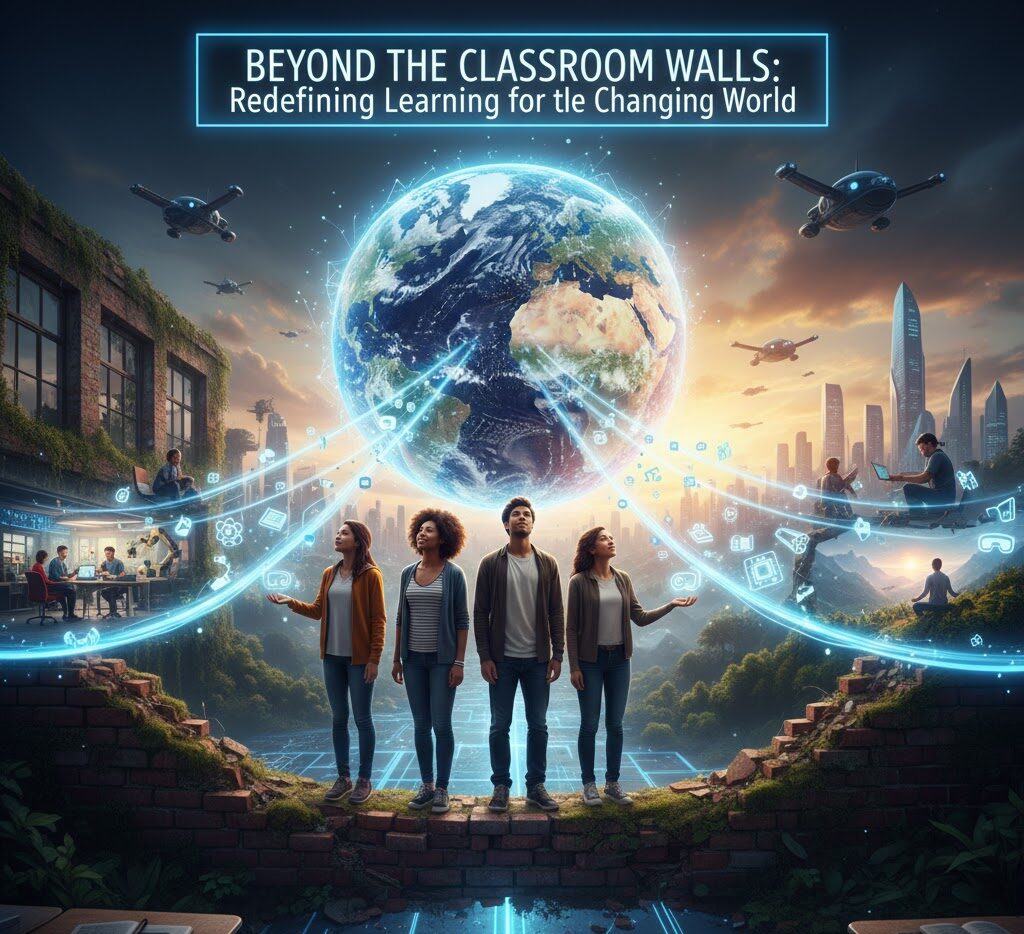
The future of education isn’t a one-size-fits-all model. Instead, it’s a dynamic, personalized journey that empowers students to become lifelong learners and prepares them for a rapidly changing world. It’s about nurturing a love for learning, fostering critical thinking, and equipping individuals with the skills and knowledge they need to thrive. Let’s move beyond the classroom walls, and embrace a future where learning is a truly transformative experience.
Consider checking out Level Up Your LinkedIn: A Practical Guide to Building a Powerful Profile That Gets Results for your own journey! Also, learn more about Complifest and find more related content.