A Practical Guide to Building a Minimalist Wardrobe That Works in 2026
Let’s be real: your closet is probably a mess. Clothes you haven’t worn in ages, things that don’t fit, impulse buys that seemed like a great idea at the time – it’s a common story. And in 2026, with the constant churn of trends and the pressure to have *more*, it’s easy to feel overwhelmed by your wardrobe.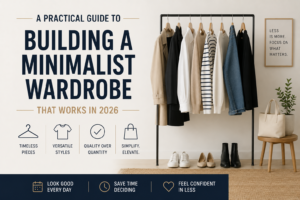 This isn’t just a matter of aesthetics; it affects your time, your money, and, let’s face it, your mental space. Having too many clothes can lead to decision fatigue every morning. You end up wasting time getting dressed, struggling to find things, and often feeling like you have “nothing to wear” even when your closet is overflowing.
This guide isn’t about just getting rid of stuff. It’s about building a wardrobe that actually *works* for you: one that makes getting dressed effortless, saves you money, and reflects your personal style. We’re talking about a minimalist wardrobe, but done the
The goal isn’t deprivation; it’s about intentionality. It’s about choosing quality over quantity and creating a closet filled with pieces you genuinely love and wear. Trust me, I’ve been there – drowning in clothes, stressed out every morning. Over the last decade, I’ve completely transformed my relationship with my wardrobe, and I’m going to walk you through how to do the same.
Why Minimalism Matters in Your Wardrobe
Before diving into the steps, let’s talk about why this is even worth doing. The benefits of a minimalist wardrobe go way beyond just looking good. It’s about making your life easier, more sustainable, and more enjoyable.
- Save Time: Less choice means less time spent deciding what to wear each day. Imagine, no more standing in front of a full closet, overwhelmed and late.
- Save Money: You buy fewer clothes, and the clothes you *do* buy are often higher quality and last longer. This reduces the need for constant replacements and chasing trends.
- Reduce Stress: A decluttered closet equals a decluttered mind. You eliminate decision fatigue and the feeling of being overwhelmed.
- Improve Sustainability: Fewer clothes mean less consumption, which is better for the environment. You reduce your contribution to textile waste and fast fashion’s negative impacts.
- Enhance Personal Style: Focusing on fewer, well-chosen pieces allows you to cultivate a more defined and authentic personal style. You know what you love, and you wear it confidently.
Step 1: The Brutal Truth – The Wardrobe Audit
This is where the rubber meets the road. We need to be honest with ourselves. This step involves taking a hard look at everything in your closet. Don’t worry, it’s not as painful as it sounds, and the payoff is huge.
What you’ll need:
- A dedicated afternoon (at least 2-3 hours)
- A large space (bed, floor, etc.) to lay out your clothes
- Three large boxes or bags: “Keep,” “Donate/Sell,” and “Trash/Recycle”
- A notebook and pen (optional, but helpful)
The Process:
- Empty Everything: Take *everything* out of your closet, drawers, and any other storage spaces. This can feel overwhelming, but it’s crucial to see everything you own at once.
- Sort Item by Item: Pick up each item and ask yourself these questions (and be brutally honest):
- Have I worn this in the last year? (Be honest; “maybe” often means “no.”)
- Does it fit properly? (No “I might wear this again someday” thinking.)
- Do I love it? (If you’re not genuinely excited to wear it, it’s gotta go.)
- Is it in good condition? (Holes, stains, and wear-and-tear count.)
- Categorize Each Item: Place each item into one of the three boxes:
- Keep: Items you love, wear regularly, and that fit and are in good condition. These are your staples and go-to pieces.
- Donate/Sell: Items that are in good condition but you don’t wear, that no longer fit, or don’t fit your style. You can donate these to charity or sell them online or at consignment shops.
- Trash/Recycle: Items that are damaged beyond repair, stained, or simply worn out. Check local textile recycling programs, as many accept clothes that can’t be donated.
- Document (Optional, but Recommended): As you sort, jot down any insights in your notebook. What colors or styles do you have a lot of? What are you missing? This can help you identify gaps in your wardrobe.
Common Mistakes to Avoid:
- Sentimental Attachment: That t-shirt from a concert five years ago? If you don’t wear it, let it go. Sentimentality clouds judgment.
- “Maybe Someday”: If you haven’t worn it in a year, you probably won’t. Be realistic.
- Fear of Regret: The fear of getting rid of something and then needing it later is a common roadblock. But if you have a well-curated wardrobe, you’ll likely find something similar that works.
- Not Being Ruthless Enough: This is the most crucial part. You must be ruthless. Be honest with yourself and let go of items that don’t serve you.
Step 2: Defining Your Personal Style – What Truly Reflects You
Now that you’ve purged, it’s time to get a little introspective. Building a minimalist wardrobe isn’t just about having fewer clothes; it’s about having the *right* clothes. This means understanding your personal style. What do you *really* like to wear? What makes you feel confident and comfortable?
Things to Consider:
- Lifestyle: What do you do on a daily basis? Do you work in an office, remotely, or in a more casual environment? Your wardrobe needs to reflect your lifestyle.
- Favorite Colors and Patterns: What colors and patterns make you feel good? Identify a palette that you love and that complements your skin tone.
- Body Type: What styles flatter your figure? Consider the cuts, silhouettes, and fabrics that work best for you.
- Inspiration: Look to style icons, magazines, or websites for inspiration. But don’t just copy; adapt their style to fit your own personality and preferences.
How to Find Your Style:
- Look at Your “Keep” Pile: What are the common threads? What styles, colors, and cuts do you gravitate towards? This reveals your natural tendencies.
- Create a Pinterest Board or Mood Board: Gather images of outfits and styles you love. This helps you visualize your ideal wardrobe.
- Experiment: Try new styles and combinations. Don’t be afraid to step outside of your comfort zone, but always prioritize what feels authentic to you.
- Consider Your Values: Do you value sustainability? Comfort? Sophistication? Let your values guide your choices.
Avoiding the “Trend Trap”:
One of the biggest mistakes is chasing fleeting trends. Trends come and go; a minimalist wardrobe is built on timeless pieces. Focus on classic silhouettes and quality fabrics that will last. Choose pieces you can mix and match to create multiple outfits. That way you will save money, and have clothes that truly work for you.
Step 3: Building Your Capsule Wardrobe – The Foundation
A capsule wardrobe is a collection of essential clothing items that can be mixed and matched to create a variety of outfits. It’s the core of minimalist wardrobe planning. It’s about building a foundational wardrobe of versatile pieces.
The Ideal Capsule:
The exact number of items will vary depending on your lifestyle, but a good starting point is around 30-40 pieces per season (this includes tops, bottoms, outerwear, and shoes). The key is to choose items that can be easily combined to create multiple looks.
Core Components:
- Tops: A mix of t-shirts, blouses, and button-down shirts in neutral colors (black, white, gray, navy) and a few accent colors.
- Bottoms: Jeans, trousers, skirts, and shorts in versatile styles and colors.
- Outerwear: A versatile jacket (leather, denim, or trench coat) and a warm coat.
- Dresses (Optional): If you like wearing dresses, choose a few that can be dressed up or down.
- Shoes: A few pairs of shoes that fit your lifestyle (sneakers, boots, flats, heels).
- Accessories: Scarves, belts, and jewelry. Keep it simple and focus on quality.
Creating Your Capsule:
- Start with the Basics: Jeans that fit well, a white button-down shirt, a black blazer – these are the building blocks.
- Choose Neutral Colors: Neutrals are the foundation of a versatile wardrobe. They mix and match easily and provide a clean, classic look.
- Add Accent Colors: Once you have the neutrals, add a few accent colors that complement your skin tone and personality.
- Focus on Quality: Invest in well-made pieces that will last. Quality fabrics and construction make a big difference in the longevity and look of your clothes.
- Consider Your Lifestyle: Tailor your capsule to your daily activities. Do you need more casual or formal pieces?
- Seasonal Adjustments: You can adapt your capsule seasonally. Swap out heavier coats and boots for lighter jackets and sandals in the spring and summer.
Tip: Don’t feel you have to get everything at once. Start with the basics and slowly build your wardrobe over time. It’s better to invest in quality pieces rather than buying a lot of cheap ones.
Step 4: Smart Shopping – The Art of Buying Less, Better
Now comes the tricky part: resisting the urge to buy *more*. Smart shopping is crucial to maintaining a minimalist wardrobe. It’s not about never buying anything new; it’s about making conscious, informed choices.
Before You Buy:
- Ask Yourself: Do I really need this? Will I wear it often? Does it fit my personal style and my existing wardrobe?
- Consider the Cost Per Wear: Divide the price of the item by the number of times you’ll realistically wear it. Is it a good value?
- Research the Brand: Where is the item made? What are the brand’s ethical and sustainability practices? Choose brands that align with your values.
- Read Reviews: See what other people say about the item’s fit, quality, and durability.
- Think About Versatility: Can it be styled in multiple ways? Can it be worn for different occasions?
Where to Shop:
- Consider Secondhand: Thrift stores, consignment shops, and online marketplaces (like ThredUp and Poshmark) are great places to find unique, high-quality pieces at affordable prices.
- Prioritize Quality: Invest in well-made items from reputable brands.
- Shop for Sales Strategically: Don’t buy just because something is on sale. Only buy items you genuinely need and that fit your style.
- Support Sustainable Brands: Choose brands that prioritize ethical production, use sustainable materials, and offer transparency in their supply chains.
Avoid the “Impulse Buy” Trap:
- Wait 24 Hours: If you’re tempted to buy something, wait 24 hours. Often, the urge will pass.
- Set a Budget: Know how much you can spend on clothes each month or season.
- Unsubscribe from Marketing Emails: Reduce the constant barrage of advertising that tempts you to buy.
- Shop with a List: Only buy what’s on your list and resist browsing.
Step 5: Maintaining Your Minimalist Wardrobe – Making It Last
A minimalist wardrobe isn’t a one-time project; it’s a lifestyle. Maintaining it requires ongoing effort. The goal is to keep your wardrobe streamlined, organized, and functional.
Tips for Maintenance:
- Regular Decluttering: At least once a season, review your wardrobe. Get rid of anything you haven’t worn in the last few months or that no longer fits.
- Proper Storage: Store your clothes properly to prevent damage. Use quality hangers, fold clothes neatly, and protect delicate items.
- Laundry Routine: Wash and dry your clothes according to the care instructions. This will help them last longer.
- Repair and Mend: Fix any tears, replace buttons, and repair shoes. It’s a waste to get rid of something that can be fixed.
- Stay True to Your Style: Continuously refine your wardrobe as your style evolves. It’s a work in progress.
The Payoff: Freedom and Confidence
Building a minimalist wardrobe takes effort, but the benefits are significant. You’ll gain freedom from the tyranny of trends, save time and money, and reduce stress. More importantly, you’ll develop a deeper sense of self and feel more confident in your style choices. You’ll be able to quickly decide what to wear each day. You’ll also know how your clothes make you feel.
This journey isn’t just about clothes; it’s about simplifying your life and focusing on what truly matters. I’ve found that having a minimalist wardrobe has freed up mental space and has allowed me to focus on other important parts of my life. It also helps with [ conquering procrastination ] because it helps you start your day in a clear, and simple way.
FAQ: Your Questions Answered
Here are some frequently asked questions about building a minimalist wardrobe:
1. How many clothes should I have in my minimalist wardrobe?
There’s no magic number. It depends on your lifestyle. Aim for quality over quantity, and focus on pieces you love and wear regularly. As a starting point, around 30-40 items per season is a good goal.
2. Isn’t a minimalist wardrobe boring?
No! It’s about intentionality. You can still have a stylish and interesting wardrobe with fewer pieces. It forces you to get creative with mixing and matching, and you can add personality with accessories.
3. What if I need to buy something specific for an event?
That’s fine! The goal isn’t to be deprived, but to be mindful. Rent an outfit, borrow from a friend, or buy something knowing it will fill a gap in your wardrobe. The goal is to be intentional, rather than making impulse purchases that you’ll regret.
4. How do I deal with fast fashion?
Resist the urge! Focus on quality, shop less, and choose sustainable brands. Buying less, better quality items, will ultimately save you money in the long run.
5. Where do I donate or sell my unwanted clothes?
There are many options! Donate to local charities, thrift stores, or clothing banks. Sell online through sites like ThredUp, Poshmark, or consignment shops. Consider giving away clothes to friends and family too.
6. What if my style changes?
That’s normal! A minimalist wardrobe is a journey, not a destination. Regularly assess your style and adjust your wardrobe as needed. The best wardrobes are always evolving.
7. How long does it take to build a minimalist wardrobe?
It’s not a race! It can take months, or even years, to fully build a minimalist wardrobe. The important thing is to start, be patient, and focus on progress. Enjoy the process.
8. Can I still follow trends?
You can, but do it mindfully. Choose timeless pieces that can be styled to reflect current trends. Avoid chasing every fleeting fad. Also, remember a good way to see what you like, is to look at your [ Complifest ] profile.