Cultivating Resilience and Resourcefulness in Today’s Learners
I’ve lost count of the number of times I’ve heard parents express their concerns. “My child struggles with adapting to new situations.” “They give up so easily when things get tough.” “I worry they won’t be able to handle the real world.”
As a mentor and educator with years of experience, these worries resonate deeply. They highlight a crucial gap in our education system—a gap between what we teach and what our children truly need to thrive.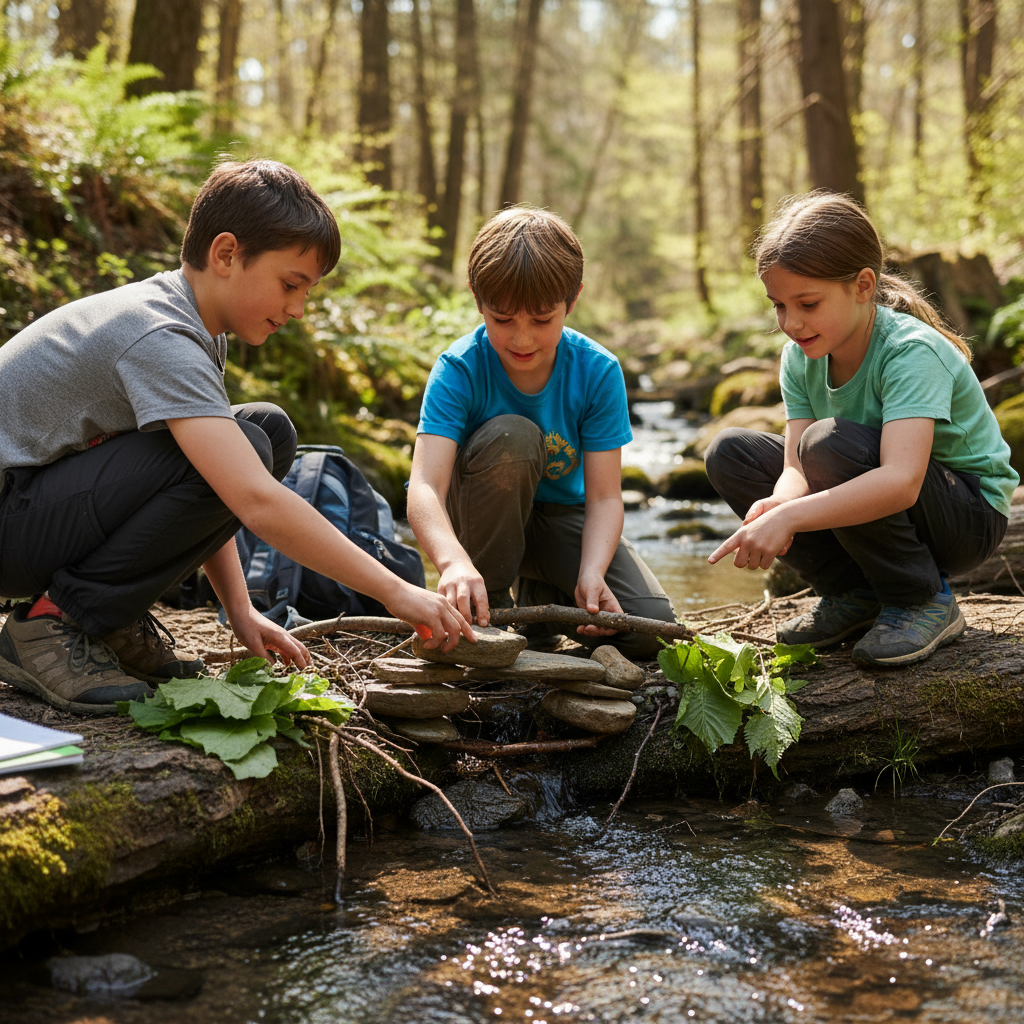 It’s not enough to simply fill young minds with facts and figures. We need to equip them with something far more essential: the ability to bounce back, to learn from setbacks, and to navigate the complexities of life with confidence and grit. This article delves into how we can move beyond rote learning and cultivate resilience and resourcefulness in our children and students, ensuring they’re prepared for a future that demands both.
The Problem: A System Focused on Answers, Not Adaptability
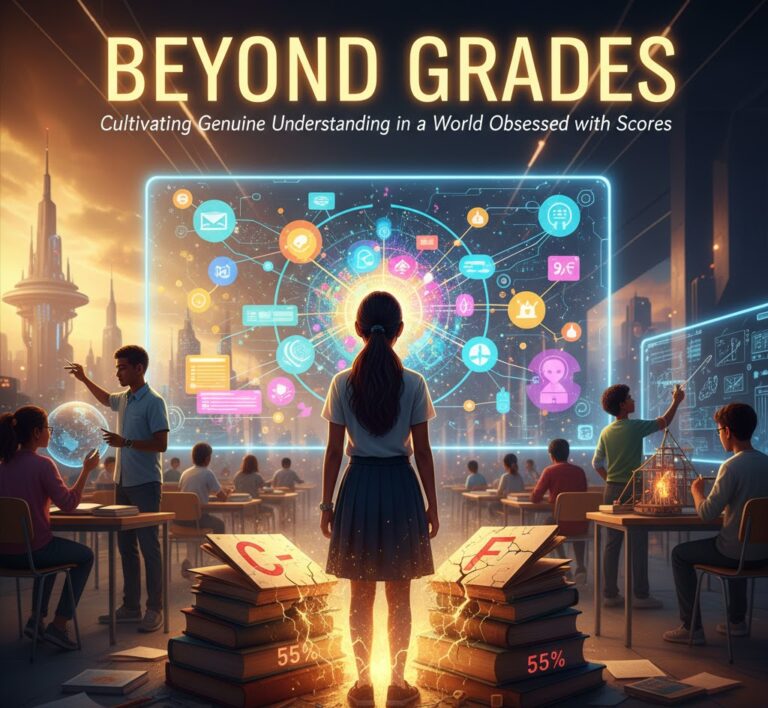
Our education system, in many ways, is still built on an industrial model. We measure success by standardized tests and grades. We reward conformity and penalize mistakes. This approach, while well-intentioned, often inadvertently stifles the very qualities we want to foster: resilience and resourcefulness. It’s like building a beautiful ship but forgetting to equip it with lifeboats.
Consider the emphasis on getting the “right” answer. In the classroom, there’s often a single, correct solution, and the pressure to find it can be immense. Students become afraid to take risks, to experiment, or to fail, even though these are fundamental to learning and growth.
The fear of making a mistake can be paralyzing. I’ve witnessed countless students who, despite their intelligence, are hesitant to participate in class discussions or try new things because they’re afraid of being wrong.
This is where traditional education struggles. It often prioritizes the acquisition of knowledge over the development of essential life skills. We’re so focused on the destination (the exam, the degree) that we often neglect the journey and the skills needed to navigate it.
How Learning Actually Happens: Beyond Memorization
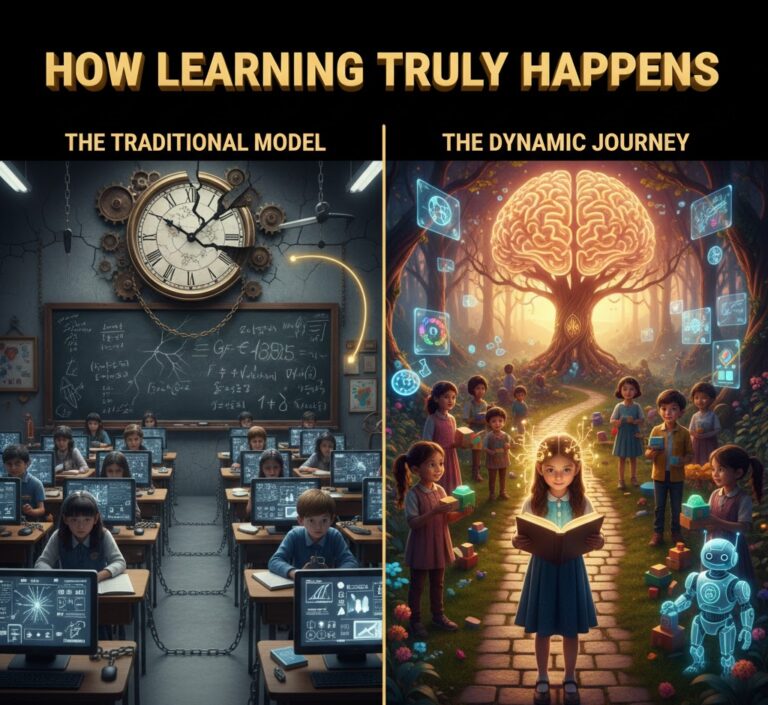
To cultivate resilience, we must understand how learning truly happens. It’s not a passive process of absorbing information; it’s an active process of constructing meaning. Learning involves making connections, asking questions, experimenting, reflecting, and, yes, making mistakes.
Think about how a child learns to ride a bike. They don’t read a manual and magically become proficient. They wobble, they fall, they get back up, and they try again. With each attempt, they learn something—about balance, coordination, and the persistence required to achieve their goal. This iterative process, this cycle of trying, failing, and adapting, is at the heart of resilient learning.
We need to replicate this approach in the classroom. This means:
- Creating a safe space for failure: Where mistakes are viewed not as failures but as opportunities for learning.
- Encouraging experimentation: Allowing students to explore different approaches and solutions, even if they don’t always succeed.
- Promoting reflection: Helping students understand what worked, what didn’t, and what they can do differently next time.
Common Mistakes: Students, Parents, and the System
The journey towards fostering resilience is often hampered by common mistakes made by students, parents, and even the education system itself. Recognizing these pitfalls is the first step towards overcoming them.
For Students:
One of the biggest mistakes students make is avoiding challenges and giving up at the first sign of difficulty. This often stems from a fear of failure or a lack of belief in their own abilities. This can be addressed by setting achievable goals and celebrating small successes. More importantly, we should teach them to reframe failure as a learning opportunity, which is the core of resilience.
For Parents:
Parents often focus on marks and miss the forest for the trees. Over-scheduling children with extracurricular activities and micromanaging their studies can inadvertently rob them of the opportunity to develop independence and problem-solving skills. The best thing a parent can do is to be a supportive guide, encouraging exploration, and allowing their children to make their own choices, even if they aren’t always the right ones.
For the Education System:
The system itself often contributes to the problem by prioritizing standardized testing and memorization over critical thinking and creativity. The pressure to achieve high scores can create a climate of fear and anxiety, discouraging students from taking risks and experimenting with different approaches.
To fix this, schools must embrace more project-based learning, which promotes collaboration and active learning, as well as an environment where students can explore their interests.
Busting Myths: Marks vs. Learning, Degrees vs. Skills
Several popular myths about education hinder the development of resilience and resourcefulness.
Myth #1: High Marks Guarantee Success.
While good grades are important, they are not the sole determinant of success. In the real world, what matters is the ability to adapt, solve problems, and collaborate with others. I’ve seen countless students with stellar academic records struggle in the workplace because they lack these essential skills. Academic achievement is a piece of the puzzle, but not the whole thing.
Myth #2: A Degree is a Guaranteed Ticket to a Good Career.
A degree can open doors, but it does not guarantee a successful career. In today’s rapidly changing world, the skills and knowledge learned in college may become outdated quickly. What truly matters is the ability to learn continuously, adapt to new technologies, and develop a growth mindset. Many successful entrepreneurs and professionals have found success by focusing on skills and practical experience, even without a formal degree.
Myth #3: Intelligence is Fixed.
This is perhaps the most damaging myth. It suggests that our intelligence is fixed from birth and that we cannot improve our abilities. In reality, our brains are incredibly plastic and can develop and grow with effort and practice. The belief in a growth mindset, that abilities can be developed through dedication and hard work, is crucial for fostering resilience. When students believe that they can improve, they are more likely to persevere in the face of challenges.
Long-Term Impact: Careers, Mindset, and Personal Growth
The ability to bounce back from adversity, think critically, and solve problems creatively isn’t just about succeeding in school or landing a job. It’s about building a fulfilling life. The long-term impact of cultivating resilience and resourcefulness is profound, affecting every aspect of a person’s life.
In Careers: Individuals with these skills are better equipped to handle workplace stress, adapt to new roles, and take on leadership positions. They are more likely to thrive in dynamic and fast-paced environments. They are also better at navigating the inevitable challenges and setbacks that come with any career path. They’re not afraid to try new things and find innovative solutions.
In Mindset: Resilience promotes a positive and optimistic outlook on life. It encourages individuals to see challenges as opportunities for growth and to embrace change with confidence. They don’t see failure as the end, but as a temporary detour.
In Personal Growth: The ability to overcome obstacles builds self-esteem and a sense of agency. People feel more in control of their lives and are more likely to pursue their goals, no matter how challenging. They’re not afraid to step outside of their comfort zones.
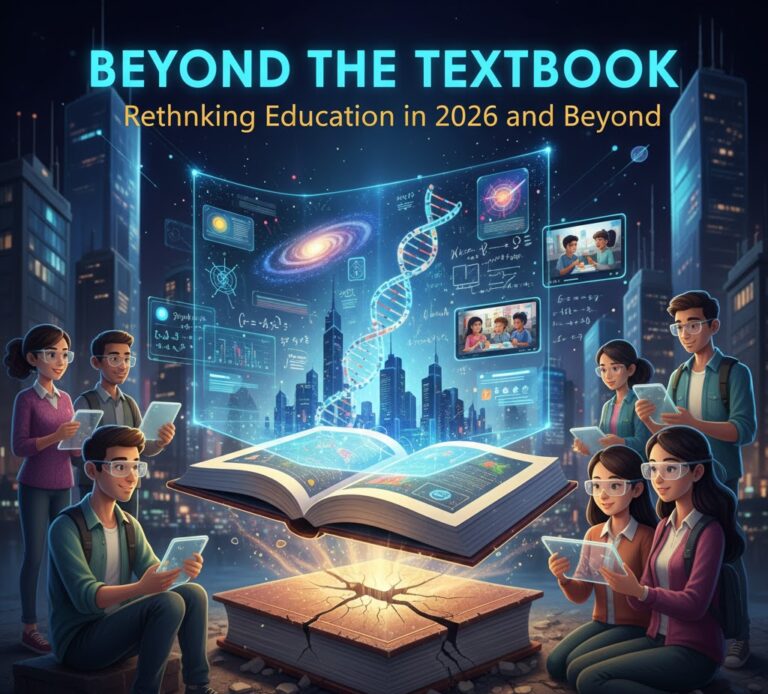
Modern Relevance: The 2026 Education Environment
The landscape of education in 2026 is evolving at an unprecedented rate. Technology plays a more prominent role, and online learning platforms are becoming increasingly sophisticated. The future demands individuals who can adapt to new technologies, navigate a globalized world, and possess the skills to thrive in a rapidly changing environment.
This is where traditional education struggles. We need to move beyond memorization and rote learning and focus on teaching skills that will be valuable in the future, such as:
- Critical Thinking: Analyzing information, making informed decisions, and solving complex problems.
- Creativity and Innovation: Generating new ideas and finding innovative solutions.
- Collaboration and Communication: Working effectively with others and communicating ideas clearly.
- Adaptability and Flexibility: Embracing change and being able to adjust to new situations.
These skills are critical in a world where artificial intelligence and automation are transforming the workplace. It is important to remember that breaking free from the comparison trap is also a must, to build these skills. The focus should be on personal growth and not on where you stand compared to others.
Future Outlook: How Learning and Education Will Evolve
The future of learning and education will likely involve a more personalized and flexible approach. Instead of standardized curricula, we’ll see more customized learning pathways tailored to individual needs and interests. The integration of technology will continue to expand, with virtual reality, augmented reality, and artificial intelligence playing a more significant role in the learning process.
Here are some key trends to watch for:
- Personalized Learning: Tailoring education to each student’s individual needs, pace, and learning style.
- Project-Based Learning: Engaging students in real-world projects that allow them to apply their knowledge and skills.
- Competency-Based Education: Focusing on what students can do rather than how long they have spent in the classroom.
- Lifelong Learning: Emphasizing the importance of continuous learning and skill development throughout life.
Ultimately, the goal of education should be to equip students with the skills and mindset they need to thrive in a changing world. This means fostering resilience, resourcefulness, critical thinking, and a passion for lifelong learning.
FAQ Section
Here are some frequently asked questions about cultivating resilience and resourcefulness in learners:
1. How can I help my child develop resilience?
Encourage them to embrace challenges, view mistakes as learning opportunities, and celebrate their efforts and progress. Model resilience yourself by showing how you overcome your own setbacks. This way you’ll be teaching through action!
2. How can schools promote resilience in the classroom?
By creating a safe and supportive learning environment, emphasizing problem-solving and critical thinking, and providing opportunities for students to collaborate and learn from their mistakes. The curriculum should incorporate practical, real-world applications of knowledge.
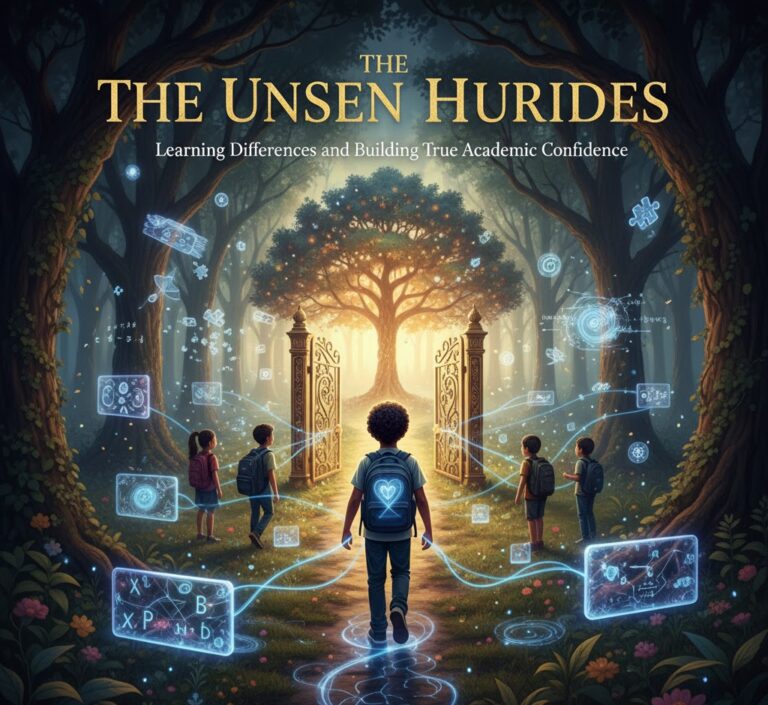
3. What are the signs that a child is struggling with resilience?
Avoidance of challenges, a tendency to give up easily, a fear of making mistakes, and a negative self-perception are common signs. Pay attention to how your child responds to setbacks and offer support and encouragement.
4. How can I help my child develop a growth mindset?
Praise effort and perseverance, not just intelligence. Encourage them to see challenges as opportunities for growth, and teach them that their abilities can be developed through hard work and practice. The important thing is to instill the idea that effort is the key.
5. Is it okay for children to fail?
Absolutely! Failure is an essential part of the learning process. It provides opportunities for growth, reflection, and the development of resilience. Instead of shielding children from failure, teach them how to learn from it.
6. What role does technology play in fostering resilience?
Technology can provide access to a wealth of resources and learning opportunities. It can also be used to create simulations and virtual environments where students can practice problem-solving and decision-making skills in a safe and supportive environment. This type of practice allows for safe mistakes and faster growth.
7. How important is it to balance academics with other activities?
Extremely important. Engaging in extracurricular activities, sports, and hobbies allows children to develop a range of skills, including teamwork, leadership, and time management. It also helps them to explore their interests, build their self-esteem, and develop a well-rounded personality. It’s important to make them explore a wide range of activities.
8. How can parents and teachers work together to cultivate resilience?
By communicating openly, sharing strategies, and working together to create a supportive and encouraging environment for the child. Consistent messaging and support from both home and school are essential for fostering resilience and a growth mindset. Complifest is a great platform to know how to enhance the growth and development of children Complifest.