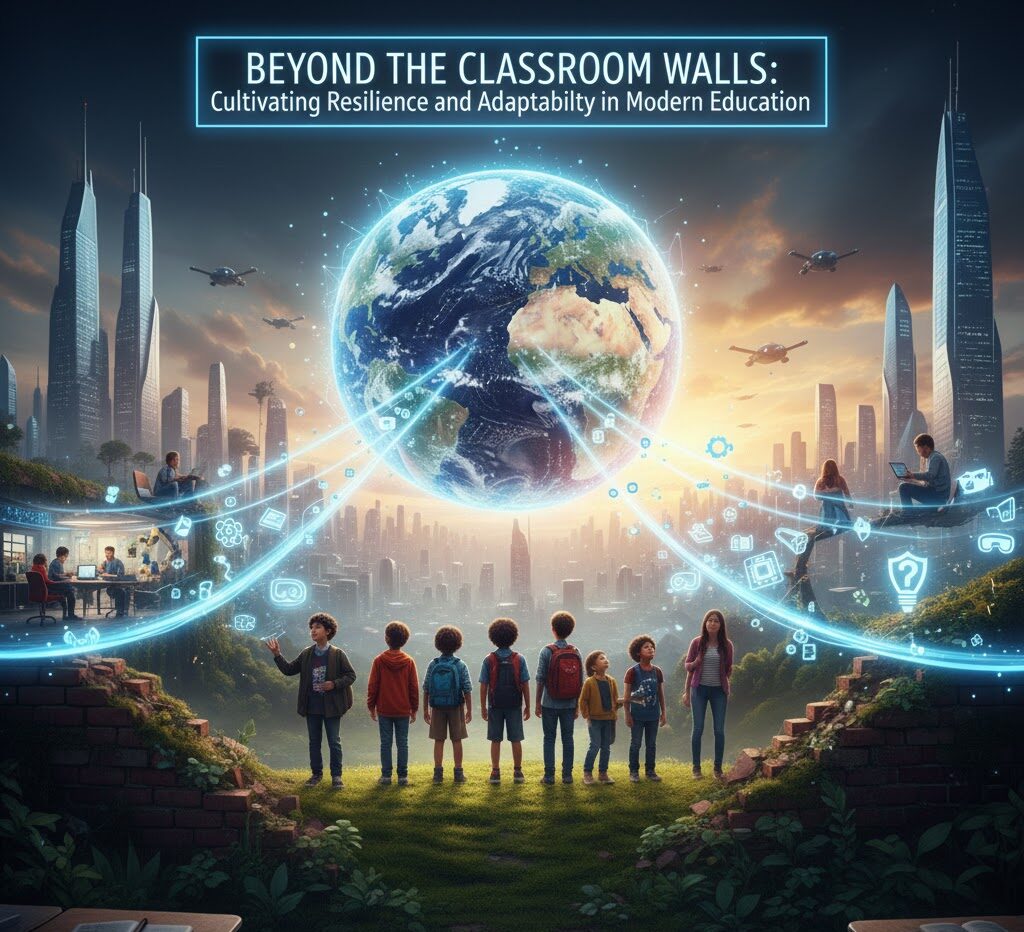
Cultivating Resilience and Adaptability in Modern Education
I still remember the look on little Rohan’s face. He was in my class, a bright, curious kid, but utterly shattered after scoring lower than expected in a math test. It wasn’t just the marks; it was the feeling of failure, the fear of disappointing his parents, the crushing weight of expectation.
That moment, and countless others like it, have always reminded me that education is so much more than just textbooks and exams. It’s about building resilience, teaching adaptability, and preparing our young ones for a world that’s constantly changing. For years, I’ve walked the corridors of educational institutions, witnessed the highs and lows of student life, and interacted with parents navigating the complex landscape of their children’s learning journeys. It’s a world where the pressure to perform is immense
where the definition of success is often narrowly defined, and where the ability to bounce back from setbacks is arguably the most valuable skill of all. The focus is often on grades, but what about the life lessons, the coping mechanisms, and the ability to learn from failure?
The Cracks in the Current System
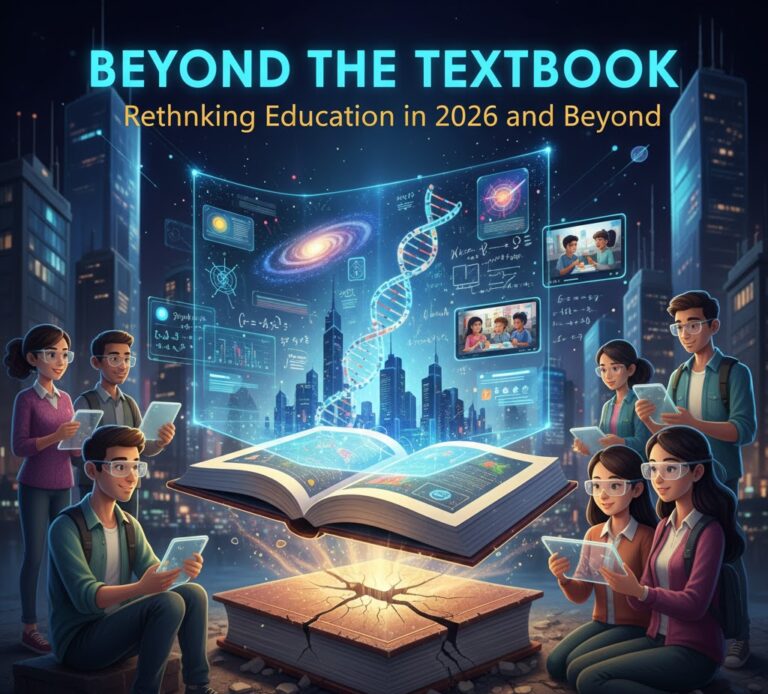
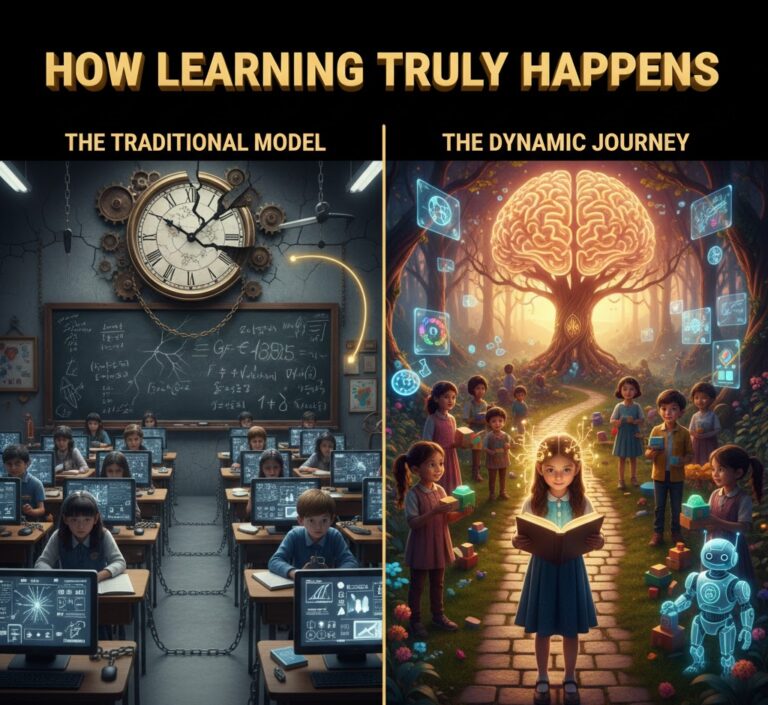
Traditional education, as we know it, has some serious cracks. The emphasis on rote learning, the rigid curriculum, and the relentless focus on standardized tests often stifle creativity and critical thinking. We’re so busy teaching kids *what* to learn that we forget to teach them *how* to learn.
The pressure cooker environment that many students find themselves in today, with its focus on competition and achievement, can be detrimental to their mental health and their ability to cope with stress.
I’ve seen so many students crumble under pressure, not because they lacked intelligence, but because they lacked the emotional resilience to navigate challenges. They hadn’t learned how to handle failure, how to pick themselves up after a setback, or how to see mistakes as opportunities for growth. This is where traditional education struggles. It often prioritizes the outcome over the process, the grade over the growth, the destination over the journey.
Parents often focus on marks and miss the bigger picture. They’re understandably concerned about their children’s future, but sometimes, in their desire for their children to excel, they inadvertently add to the pressure. The expectations can be overwhelming, and the fear of not measuring up can be paralyzing. The irony is, we are often so focused on preparing students for the future that we forget that the future is uncertain.
How Learning Actually Happens
Let’s take a step back and think about how learning actually happens. It’s not a linear process. It’s messy, it’s iterative, and it involves a lot of trial and error. Think of it like learning to ride a bike. You fall, you scrape your knees, you wobble, and you eventually find your balance. The falls are not failures; they are essential parts of the learning process.
Learning, at its core, is about making connections, solving problems, and developing a growth mindset. It’s about being curious, asking questions, and being willing to experiment. It’s about understanding that failure is not the opposite of success; it’s a stepping stone towards it. It is also about the support system and the inner strength to carry on. The Silent Struggle: Finding Your Inner Strength in a World of Pressure explores some of these aspects.
Most learners realize this only much later. This understanding comes with time and through experience. The capacity to adjust is what makes the difference. It takes resilience. This requires a foundation of self-belief, a willingness to take risks, and the ability to learn from mistakes.
The Power of Resilience: More Than Just Bouncing Back
Resilience isn’t just about bouncing back; it’s about bouncing forward. It’s about developing the mental and emotional strength to not only overcome challenges but also to learn and grow from them. It involves:
- Self-Awareness: Understanding your own strengths and weaknesses.
- Emotional Regulation: Managing your emotions, especially in stressful situations.
- Optimism: Maintaining a positive outlook, even when things are tough.
- Problem-Solving Skills: Being able to identify and address challenges.
- Seeking Support: Knowing when and how to ask for help.
When you have these traits, you are able to take on any challenge. When students develop resilience, they become more adaptable and well-equipped to face the challenges of the world.
The Importance of Adaptability: Navigating the Unpredictable
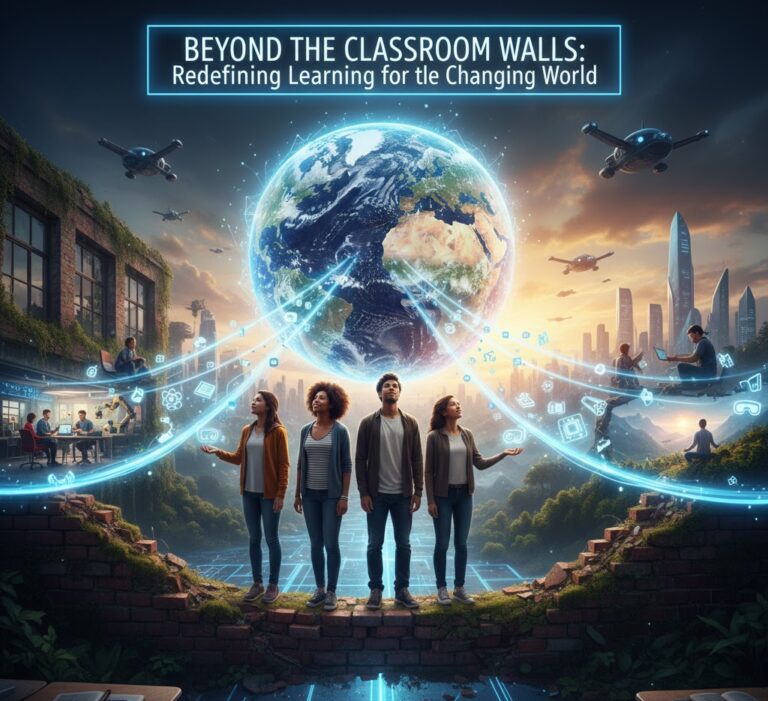
Adaptability goes hand in hand with resilience. It’s the ability to adjust to new situations, to embrace change, and to thrive in an environment of uncertainty. The world is changing faster than ever before. New technologies emerge, industries transform, and the skills needed to succeed in the workplace are constantly evolving. This makes adaptability an essential skill for the 21st century.
Adaptability requires:
- Flexibility: Being open to new ideas and approaches.
- Open-Mindedness: Being willing to consider different perspectives.
- Continuous Learning: Being committed to lifelong learning.
- Resourcefulness: Finding creative solutions to problems.
These traits will help in any circumstance. We need to equip students with the skills and mindset to thrive in a world of constant change. We should cultivate a curiosity about the world and a willingness to embrace new experiences.
Common Mistakes in Education and How to Avoid Them
In my experience, there are some common mistakes we make in the education system. They all affect resilience and adaptability. Here are some of the things that can be addressed:
- Over-emphasizing Grades: While grades are important, we often prioritize them at the expense of other essential skills like critical thinking, creativity, and problem-solving. This creates unnecessary pressure and can lead to a fear of failure. Instead, focus on the learning process, provide constructive feedback, and celebrate effort and progress.
- Ignoring Emotional Well-being: Students’ mental health is often overlooked in the pursuit of academic achievement. Ignoring their emotional needs can lead to stress, anxiety, and burnout. Creating a supportive and inclusive classroom environment where students feel safe to express their feelings is important.
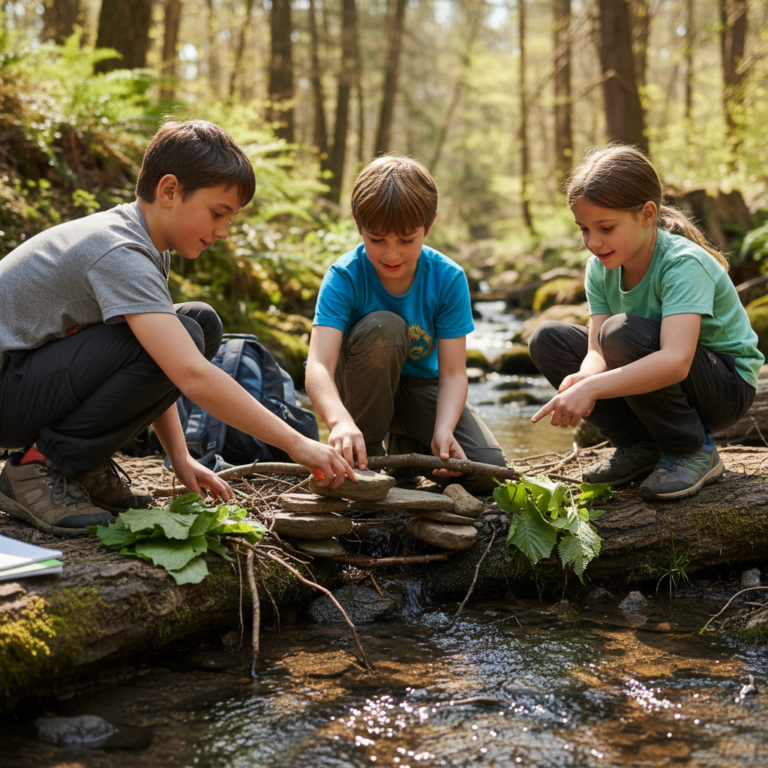
- Lack of Real-World Application: Education often feels disconnected from real-world experiences. This can make learning feel irrelevant and uninspiring. Try to connect learning to real-world problems and projects, offer opportunities for hands-on learning, and encourage students to explore their interests.
- One-Size-Fits-All Approach: We often treat all students the same, regardless of their individual needs and learning styles. Providing personalized learning experiences, differentiating instruction, and offering a variety of learning options can help students learn and achieve their potential.
- Not Teaching Failure as a Learning Opportunity: It is extremely important to teach that failure is an important part of the learning process. It is important to encourage students to embrace failure and learn from their mistakes.
Busting Education Myths
There are many myths in the education world. This is what you should know to navigate them:
- Myth: Marks are the sole measure of intelligence and future success.
- Reality: Marks are only one indicator. Skills like critical thinking, emotional intelligence, and adaptability are also important. These are often not reflected in grades.
- Myth: A degree guarantees a successful career.
- Reality: A degree can open doors, but skills, experience, and the ability to adapt are what truly drive career success.
- Myth: Memorization is the key to learning.
- Reality: Understanding and applying knowledge are more important than rote memorization. The focus should be on critical thinking and problem-solving skills.
- Myth: Education is just about acquiring knowledge.
- Reality: Education is also about developing character, building relationships, and fostering a love for lifelong learning.
Long-Term Impact: Building a Foundation for Life
The lessons of resilience and adaptability are not just for the classroom; they are for life. When we equip students with these skills, we are helping them to:
- Build Stronger Relationships: Resilient and adaptable people are better equipped to navigate the ups and downs of relationships.
- Achieve Career Success: These skills are highly valued in the workplace, and they increase employability and career growth.
- Lead Fulfilling Lives: Resilient and adaptable people are better able to cope with stress, overcome challenges, and find meaning and purpose in their lives.
These skills are not just about academic success; they are about overall well-being. They provide a foundation for a life filled with purpose, resilience, and personal growth.
Modern Relevance (2025–2026 Education Environment)
In 2025-2026, the education landscape is evolving at a rapid pace. The rise of AI, the increasing focus on personalized learning, and the changing demands of the job market are all reshaping the way we think about education. The future of learning is about:
- Personalized Learning: Tailoring education to meet the individual needs and interests of each student.
- Project-Based Learning: Engaging students in real-world projects that require them to apply their knowledge and skills.
- The Use of Technology: Integrating technology into the classroom to enhance learning experiences.
- Developing Soft Skills: Focusing on the development of skills like communication, collaboration, and critical thinking.
- Creating More Inclusive Classrooms: Making the classroom more accessible to all students.
We need to embrace these changes, adapt our approaches, and prepare our students for a future that’s more uncertain than ever before. We need to foster resilience and adaptability in our students.
Future Outlook
The future of learning and education will be shaped by the following trends:
- Lifelong Learning: A shift from a “one-and-done” approach to education to a commitment to continuous learning throughout life.
- Micro-credentials: The rise of short, focused courses and certifications that allow individuals to acquire specific skills and knowledge.
- The Role of AI: AI will play an increasingly important role in education, from personalized learning platforms to automated assessment tools.
- Global Collaboration: Increased opportunities for students to collaborate with peers from around the world.
- Focus on Well-being: A greater emphasis on the mental and emotional health of students and educators.
The future of learning requires adaptability, critical thinking, and a willingness to embrace change.
FAQ Section
Here are some of the most frequently asked questions about building resilience and adaptability in education:
1. How can I help my child develop resilience?
Encourage your child to embrace challenges, learn from their mistakes, and develop a growth mindset. Help them develop coping mechanisms for stress and teach them how to seek support when needed.
2. How can schools promote adaptability in the classroom?
Schools can offer a variety of learning experiences, encourage students to take risks, and create a culture of continuous learning and improvement.
3. What are the signs of a child struggling with resilience?
Signs include withdrawing from challenges, getting easily discouraged, and struggling to cope with stress. If you notice these signs, reach out for professional support.
4. How important is it to fail in the process of learning?
Failure is an important part of the learning process. It offers learning opportunities that are extremely valuable. Embrace failure and teach students to learn from their mistakes.
5. How can I foster a growth mindset in my child?
Praise effort and persistence, rather than just intelligence. Encourage your child to see challenges as opportunities for growth, and teach them that their abilities can be developed through hard work and dedication.
6. What are some practical strategies for building resilience in students?
Encourage self-care practices, teach mindfulness techniques, and create opportunities for students to practice problem-solving skills.
7. How can technology be used to foster adaptability in education?
Technology can provide access to diverse learning resources, facilitate collaborative projects with students around the world, and offer personalized learning experiences that cater to individual needs and interests. The Complifest website provides valuable insights on these aspects.
8. What role do parents play in nurturing adaptability in their children?
Parents can model adaptability by embracing change, being open to new experiences, and encouraging their children to step outside of their comfort zones. They can also create a supportive environment where children feel safe to try new things and learn from their mistakes.