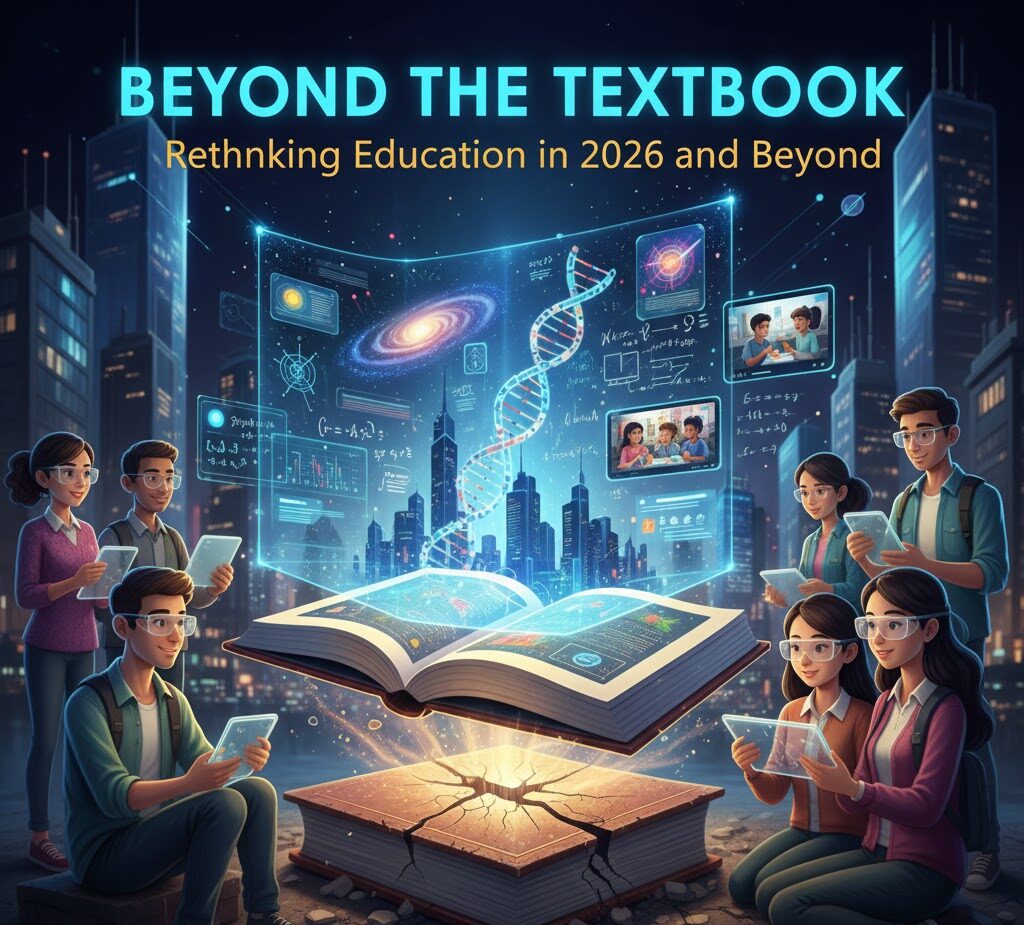
Beyond the Textbook: Rethinking Education in 2026 and Beyond
Alright, let’s talk about something real. Remember those days in school? Sitting in a classroom, the teacher droning on, and you’re staring out the window, daydreaming? Or maybe you were the star student, always acing the tests, but feeling like something was
missing? Yeah, me too. I’ve been there, on both sides of the desk, for over two decades. And trust me, the education system, as we knew it, is undergoing a massive transformation.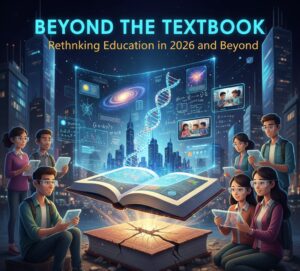 I want to take you beyond the buzzwords and the jargon and talk about what’s *really* happening. No fluff, just the honest truth about how we learn, how education is evolving, and how we can all – students, parents, educators – navigate this exciting, sometimes confusing, new world.
The Old Rules Don’t Apply Anymore
For generations, the formula was simple: go to school, get good grades, get a degree, get a job. But in 2026, the world is different. The job market is constantly shifting, new technologies are emerging daily, and the skills that matter most are not always what you learn from a textbook.
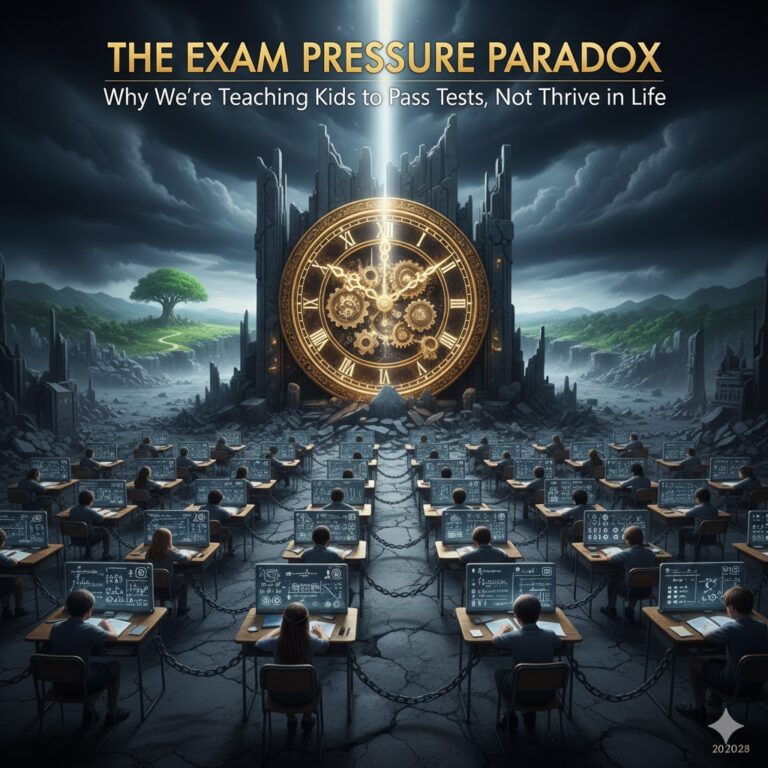
This is where traditional education struggles. It often focuses on rote memorization, standardized tests, and a one-size-fits-all approach. But how many of us actually remember the quadratic formula or the exact date of the Battle of Hastings? Sure, some things are important to learn, but the real skills we need – critical thinking, problem-solving, creativity, adaptability – are often overlooked. The very skills needed for success in the future are often not taught in a traditional classroom.
The Real Problem: Passive Learning
One of the biggest issues I’ve seen is passive learning. Students sit and listen, taking notes, but not *engaging*. They’re not questioning, exploring, or making connections. They’re simply absorbing information, often for a test, and then promptly forgetting it. Sound familiar? The problem with passive learning is that it doesn’t stick. It doesn’t build deep understanding or lasting knowledge.
Most learners realize this only much later, when they are struggling in their careers or wondering how to adapt in changing circumstances. This is a common situation for a lot of students.
How We *Actually* Learn: A Deep Dive
Let’s get down to the basics. How does learning *actually* happen? It’s not just about what we’re taught, but *how* we process information. Here’s what I’ve learned over the years:
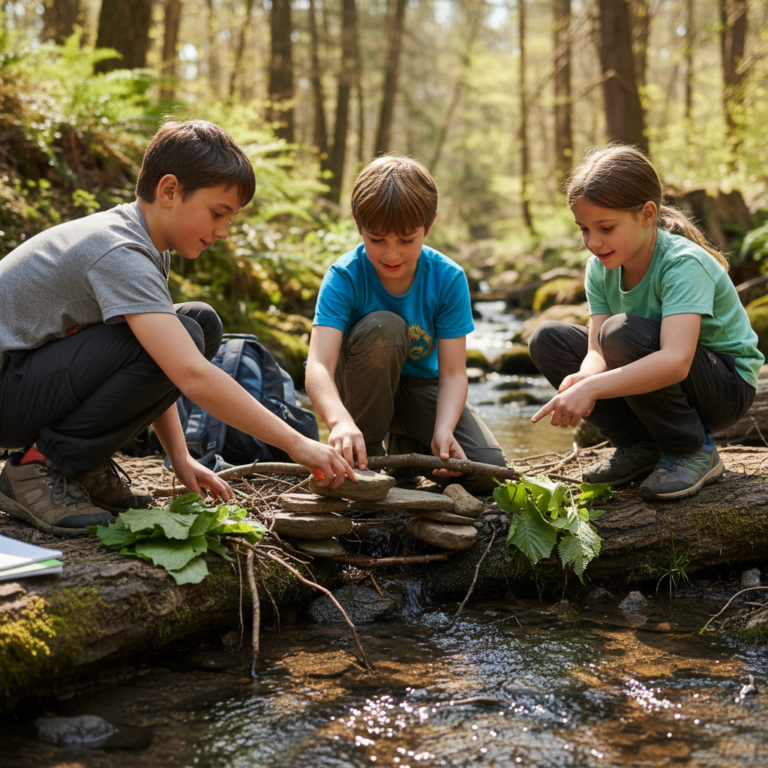
- Active Engagement: Learning is not a spectator sport. It’s about doing, creating, experimenting, and making mistakes.
- Personal Connection: We learn best when we care about the subject matter and can relate it to our own lives. This is where personalized learning comes in.
- Feedback and Iteration: Learning is a process, not a destination. We learn by receiving feedback, adjusting our approach, and trying again.
- Real-World Application: The more we can apply what we learn to real-world problems, the more likely it is to stick.
Think about something you’re passionate about. Maybe it’s a hobby, a sport, or a skill. Did you learn it by passively reading about it, or by actively participating, making mistakes, and learning from them? That’s the key.
The Rise of Personalized Learning
This is where things get interesting. Personalized learning is not just a trend; it’s the future. It’s about tailoring the learning experience to each student’s individual needs, interests, and pace.
I’ve seen it work wonders. Instead of a teacher lecturing to a class of 30, they become a facilitator, guiding students, providing personalized feedback, and helping them explore their own interests. Students have choices. They can learn through projects, discussions, and real-world experiences. Instead of labeling students, we should encourage them to explore different learning styles.
Of course, this requires a shift in mindset. It means moving away from a one-size-fits-all approach and embracing the diversity of learners. It also means parents often focus on marks and miss the other elements needed for growth.
Technology: The Great Enabler
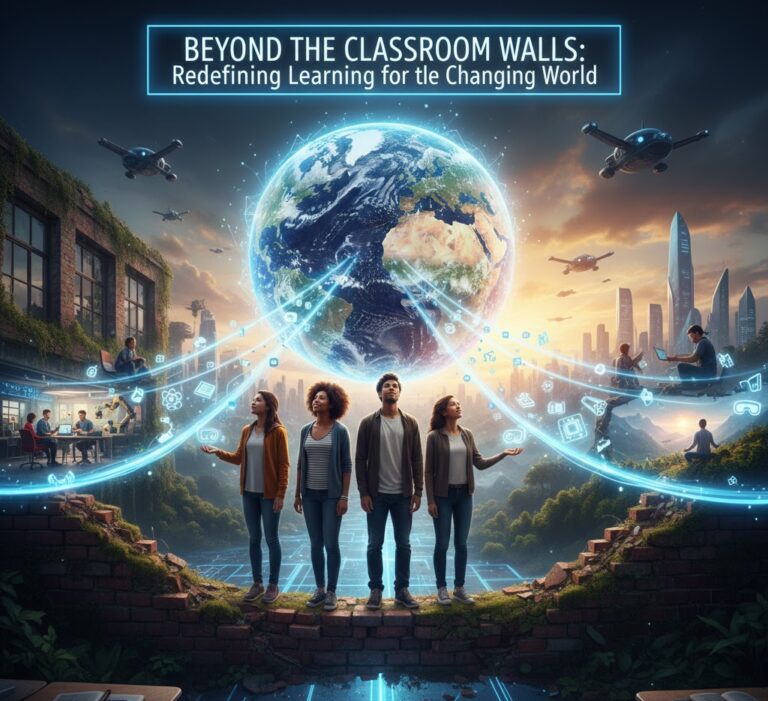
Technology is playing a huge role here. Think of it as a tool that can help us. Online resources, educational apps, and virtual reality simulations can make learning more engaging and accessible. Technology can help students access a vast amount of information and explore subjects beyond the limits of textbooks. Moreover, it ensures accessibility by breaking geographical barriers, providing diverse resources, and offering personalized learning experiences.
There are also conferences, like the 10th World Conference on Future of Education in Oxford in March 2026, and the Future Education 2026 conference in Dubai, that are helping shape how technology and education evolve. The OECD Digital Education Outlook 2026 is an essential resource for policymakers and education leaders to examine the impact of AI in education.
But technology is not a magic bullet. It’s a tool, and it needs to be used wisely. We can’t let screens replace human interaction. We need to be mindful of screen time and the potential for distraction. We need to ensure that every student has access to technology and the skills to use it effectively.
Common Mistakes: Parents, Students, and the System
Let’s be honest, there are some common mistakes we all make in education.
Parents:
- Overemphasizing Grades: Grades are important, but they’re not the whole story. Focusing solely on grades can create undue pressure and stifle a child’s natural curiosity and passion for learning.
- Ignoring Interests: Every child is unique. Pushing them into a path that doesn’t align with their interests can lead to disengagement and a lack of motivation.
- Not Fostering Independence: Over-parenting can hinder a child’s ability to take ownership of their learning. Encourage them to explore, experiment, and learn from their mistakes.
Students:
- Passive Learning: As mentioned earlier, passively absorbing information is rarely effective. Engage, question, and make connections.
- Fear of Failure: Mistakes are part of the learning process. Don’t be afraid to take risks and try new things.
- Ignoring Self-Reflection: Take time to reflect on your learning, what works, and what doesn’t. This will help you become a more effective learner.
The System:
- One-Size-Fits-All: The current system often fails to recognize that students learn at different paces and in different ways.
- Lack of Real-World Connection: Education needs to be more relevant to the real world. Students need to see how what they’re learning applies to their lives and future careers.
- Resistance to Change: The education system can be slow to adapt to new technologies and new ways of learning.
Busting the Myths: Marks vs. Learning, Degrees vs. Skills
Let’s tackle some common education myths.
- Myth: Good grades guarantee success. Truth: Grades are important, but they’re not the only factor. Skills, experience, and a strong work ethic are equally crucial.
- Myth: A degree guarantees a good job. Truth: A degree can open doors, but it doesn’t guarantee employment. Skills, experience, and a willingness to learn are what employers are looking for.
- Myth: You have to be “smart” to succeed. Truth: Success is not just about intelligence. It’s about hard work, perseverance, and a growth mindset.
Long-Term Impact: Careers, Mindset, and Personal Growth
The lessons we learn in education have a profound impact on our lives. They shape our careers, our mindsets, and our personal growth.
- Career: A strong educational foundation can open doors to a wide range of career opportunities. But even more importantly, the skills we learn – critical thinking, problem-solving, communication – are essential for success in any field.
- Mindset: Education can shape our mindset. It can teach us to be curious, adaptable, and resilient. A growth mindset, the belief that we can learn and grow, is key to lifelong success.
- Personal Growth: Education is not just about academics. It’s about developing as a person. It’s about learning to think critically, solve problems, and communicate effectively. It’s about discovering your passions and pursuing your dreams.
Think about how to break free from comparison. Education is one of the ways to do that.
Education in 2026: A Look Ahead
What does the future of education look like? Here are some trends I see:
- Personalized Learning: This will become the norm, with technology playing a key role in tailoring the learning experience to each student.
- Skills-Based Learning: More emphasis will be placed on developing practical skills that are relevant to the job market.
- Lifelong Learning: Education will no longer be confined to the classroom. People will need to constantly learn and adapt throughout their lives.
- Hybrid Learning: A blend of online and in-person learning will become increasingly common.
- The Role of AI: AI is already impacting education. It will be used to personalize learning, automate administrative tasks, and provide real-time feedback. AI tools are also being used by students, and teachers.
Final Thoughts: Embracing the Future
The education landscape is changing, and it’s exciting. It’s a time of opportunity, a time to rethink how we learn and how we teach. The key is to embrace change, be open to new ideas, and never stop learning.
Remember, education is not just about what you learn in the classroom. It’s about the skills you develop, the mindset you cultivate, and the person you become. It’s about preparing yourself for a future that is constantly evolving. So, embrace the journey, stay curious, and never stop learning.
FAQ: Your Burning Education Questions Answered
Here are some frequently asked questions from students and parents, with experience-based answers:
- How can I help my child develop a love of learning?Encourage their curiosity. Provide opportunities for exploration and discovery. Let them pursue their interests, even if they’re not “academic.” Read with them, talk with them, and make learning fun.
- Are grades really that important?Grades are a factor, but not the only factor. Focus on helping your child develop a strong work ethic, critical thinking skills, and a growth mindset. Encourage them to learn from their mistakes.
- What are the most important skills for the future?Critical thinking, problem-solving, creativity, communication, adaptability, and emotional intelligence. These are skills that will be valuable in any field.
- How can I help my child succeed in a changing world?Encourage lifelong learning. Help them develop the ability to adapt to new situations and technologies. Foster a growth mindset – the belief that they can learn and grow. Help your kids find what they are passionate about.
- Is a degree still important?A degree can still open doors, but it’s not the only key to success. Skills, experience, and a willingness to learn are what employers are looking for. Consider vocational training to see if that works as well.
- How do I find the right school for my child?Consider your child’s learning style, interests, and needs. Visit schools, talk to teachers and parents, and get a feel for the school’s culture. Research personalized learning strategies.
- How can I make learning at home more effective?Create a dedicated learning space. Set clear expectations. Provide structure, but also allow for flexibility. Make it a fun experience.
- What is the role of technology in the future of education?Technology will be a powerful tool for personalizing learning, providing access to information, and connecting students around the world. But it’s important to use technology wisely, and not let it replace human interaction.