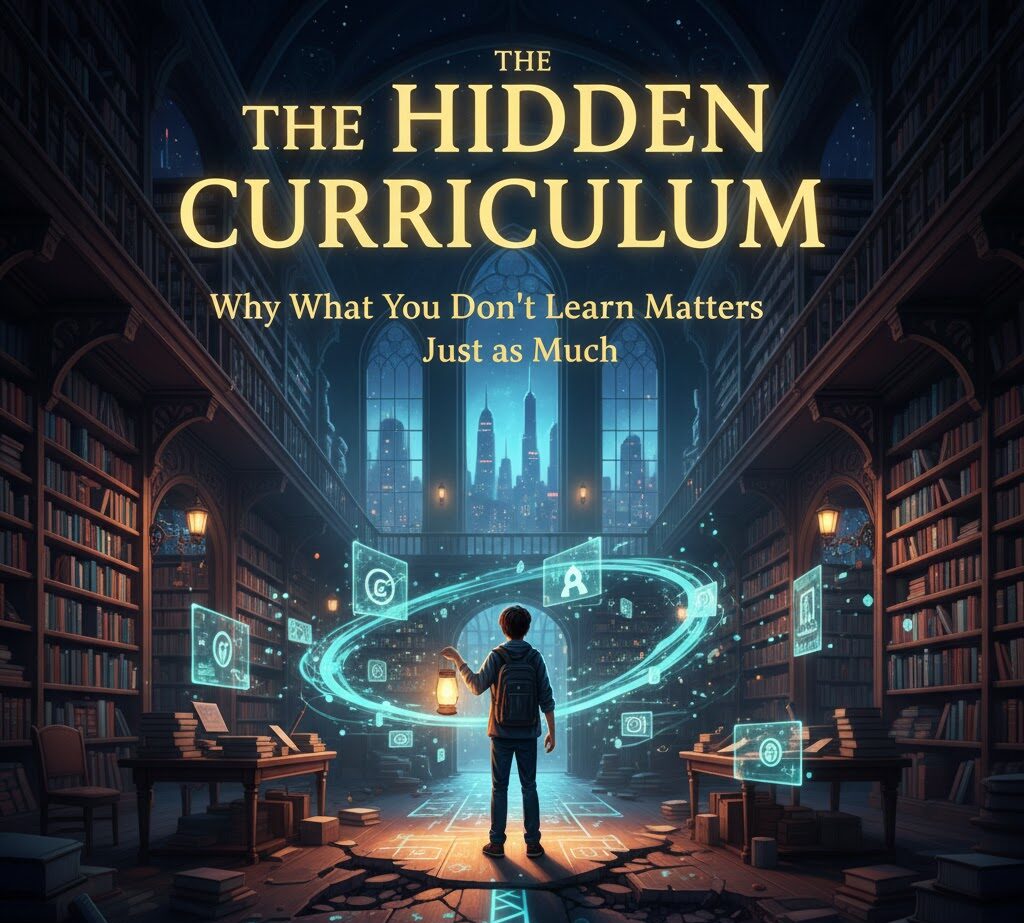
Why What You Don’t Learn Matters Just as Much
I remember a conversation I had with a bright-eyed, ambitious student a few years back. Let’s call him Rohan. He was acing all his subjects, prepping for the “big” exams, and generally following the script.
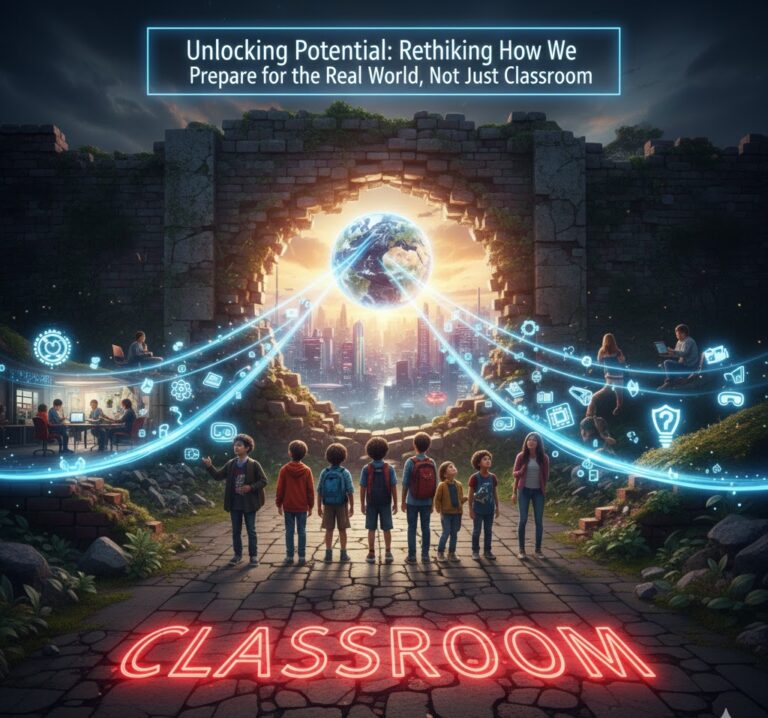
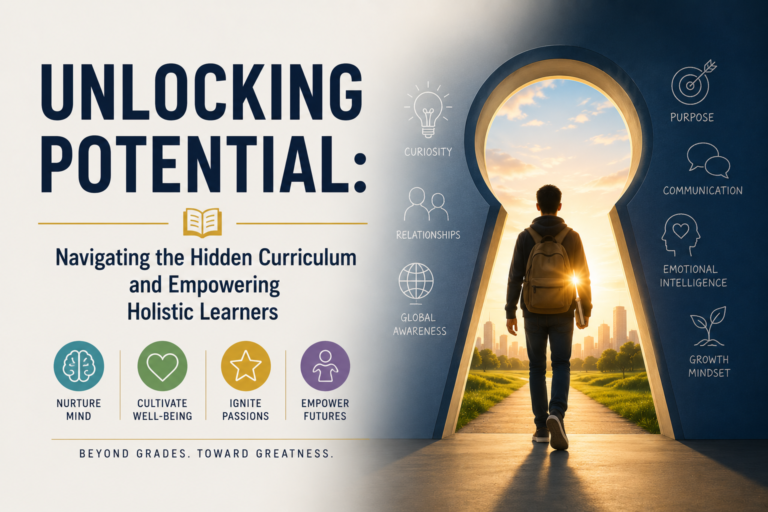
Then, reality hit. He landed a decent job after college, but quickly found himself struggling. Not with the technical aspects of his work – he was well-versed in those – but with the soft skills: teamwork, communication, problem-solving, and adaptability. “I feel like I was prepared for the exam, not for the job,” he confessed. Rohan’s experience is a common one, and it highlights a crucial aspect of education that often gets overlooked: the hidden curriculum. It’s the unspoken
often unintentional lessons that students absorb alongside the formal curriculum. It includes the values, norms, and behaviors that are transmitted through the school environment, the teacher-student interactions, and the overall culture of the institution. It’s the stuff that isn’t on the syllabus, but profoundly shapes who we become.
What is the Hidden Curriculum? Unpacking the Unseen
The formal curriculum consists of the subjects we study, the textbooks we read, and the exams we take. The hidden curriculum, on the other hand, is about what we *learn* without explicitly being taught. It encompasses a wide range of elements, like:
- Social norms and values: How we treat each other, how we navigate hierarchies, and how we handle conflict.
- Work ethic and discipline: The importance of punctuality, meeting deadlines, and persevering through challenges.
- Communication skills: How we express ourselves, listen to others, and collaborate effectively.
- Critical thinking and problem-solving: The ability to analyze information, form opinions, and find creative solutions.
- Adaptability and resilience: How we cope with change, bounce back from setbacks, and embrace new challenges.
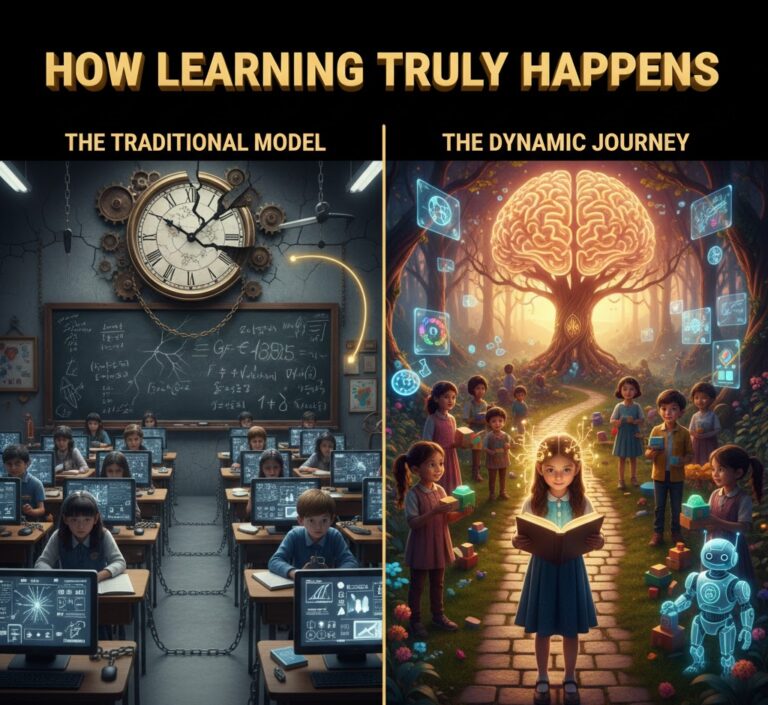
Think about it. A classroom environment can teach you as much about conformity as it teaches you about fractions. A rigid grading system can unintentionally prioritize memorization over genuine understanding. A lack of emphasis on teamwork can leave students unprepared for collaborative work environments. These are all examples of the hidden curriculum at play, shaping our attitudes, behaviors, and ultimately, our success in life.
The Strengths and Weaknesses of Current Educational Approaches
Traditional education systems, for all their strengths, often fall short when it comes to nurturing the hidden curriculum. Here’s where things get tricky:
Strengths:
- Structured learning: Providing a framework for acquiring knowledge in core subjects.
- Standardized assessment: Offering a benchmark for measuring academic progress.
- Exposure to diverse subjects: Expanding students’ horizons and interests.
Weaknesses:
- Emphasis on rote learning: Often prioritizing memorization over deep understanding and critical thinking.
- Limited focus on soft skills: Underemphasizing the development of communication, teamwork, and problem-solving abilities.
- Lack of real-world application: Failing to connect classroom learning with practical experiences and career pathways.
- One-size-fits-all approach: Ignoring individual learning styles and needs.
Many systems are now trying to address these weaknesses, but change is slow. We still see a system that often values a perfect score on a test more than the ability to think critically, communicate effectively, or adapt to new situations. This is where the hidden curriculum takes center stage – whether we’re aware of it or not, it’s shaping our kids.
Common Mistakes by Students, Parents, and Institutions
Let’s face it: we’re all guilty of making mistakes in the education game. Here’s a look at some common pitfalls:
Students:
- Focusing solely on grades: Prioritizing marks over genuine learning and understanding.
- Avoiding challenges: Shying away from difficult subjects or tasks that might stretch their abilities.
- Passive learning: Relying on teachers to deliver information rather than actively engaging with the material.
- Lack of self-awareness: Failing to understand their own learning styles, strengths, and weaknesses.
Parents:
- Overemphasizing academic performance: Putting undue pressure on children to achieve high grades.
- Ignoring soft skills development: Failing to encourage activities that foster teamwork, communication, and problem-solving.
- Comparing their children to others: Setting unrealistic expectations and undermining their children’s self-esteem.
- Not partnering with the school: Failing to communicate with teachers and actively participate in their children’s education.
Institutions:
- Ignoring the hidden curriculum: Failing to create a school culture that fosters positive values and behaviors.
- Over-reliance on standardized testing: Prioritizing test scores over a holistic assessment of student learning.
- Lack of teacher training in soft skills development: Failing to equip teachers with the skills and resources to cultivate these abilities in students.
- Insufficient focus on real-world applications: Failing to connect classroom learning with practical experiences and career pathways.
These mistakes can have lasting consequences, impacting everything from a student’s career prospects to their overall well-being. We’re all in this together, and awareness is the first step towards change.
Busting Popular Education Myths
Let’s debunk some common misconceptions that often trip up students, parents, and educators:
Myth: High grades guarantee success.
Reality: Grades are important, but they’re not the whole story. Soft skills, creativity, and adaptability are often more critical for long-term success. Remember Rohan, the student I mentioned at the start? He had the grades, but lacked the skills to thrive in the workplace. This isn’t to say grades are irrelevant, but they’re just one piece of the puzzle.
Myth: A degree is essential for a good career.
Reality: A degree can open doors, but it’s not always a prerequisite for success. Many fulfilling and well-paying careers value skills and experience over formal qualifications. Consider the trades, the creative industries, or even the tech sector. Hands-on experience, a strong work ethic, and the ability to learn continuously can often trump a degree.
Myth: Memorization is the key to learning.
Reality: Memorization has its place, but true learning goes far beyond rote recall. Critical thinking, problem-solving, and the ability to apply knowledge are far more valuable in the long run. We need to encourage our kids to ask questions, explore, and connect ideas – not just memorize facts.
Myth: Early specialization is always beneficial.
Reality: While some students may know their passions early on, it’s often beneficial to explore a variety of subjects and interests. This allows for broader skill development, increased adaptability, and a more well-rounded perspective. Encourage exploration and experimentation, especially in the early years.
Long-Term Impact: Careers, Mindset, and Personal Growth
The hidden curriculum’s impact extends far beyond the classroom, shaping our careers, our mindsets, and our overall personal growth:
- Career Success: The ability to work effectively in teams, communicate clearly, and adapt to changing circumstances is crucial for career advancement.
- Entrepreneurial Spirit: Developing a growth mindset, embracing challenges, and taking initiative are essential for aspiring entrepreneurs.
- Personal Resilience: Learning to bounce back from setbacks, manage stress, and persevere through difficult times is vital for personal well-being.
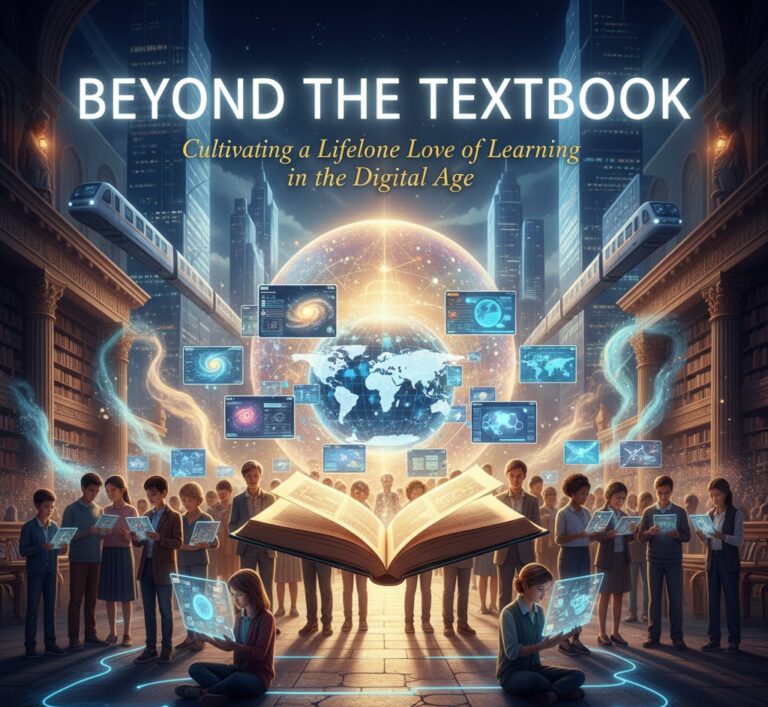
- Lifelong Learning: Cultivating a curiosity about the world and a passion for learning is essential for continuous personal and professional development.
Think about how the hidden curriculum influences your own life. Are you a good communicator? Do you handle pressure well? Are you able to adapt to new technologies or changes in your industry? These are all reflections of the unseen lessons we’ve absorbed over time.
This is where understanding the hidden curriculum is so important. It’s about recognizing that education isn’t just about what you learn in textbooks. It’s about how you learn to be a person.
Modern Relevance: The 2025–2026 Education Environment
The education landscape is rapidly evolving, driven by technological advancements, globalization, and shifting societal demands. In 2025-2026, we’re seeing:
- Increased emphasis on digital literacy: Students need to be proficient in using technology for learning, collaboration, and problem-solving.
- Personalized learning experiences: Education is becoming more tailored to individual learning styles and needs, with adaptive software and personalized learning paths.
- Focus on STEM skills: Science, Technology, Engineering, and Mathematics are increasingly critical for future careers.
- Rise of remote learning: Online education is becoming more prevalent, offering greater flexibility and access to diverse learning opportunities.
- Skills-based education: Employers increasingly value skills and experience over formal qualifications, leading to a greater focus on vocational training and practical skills development.
This new environment demands that we pay even closer attention to the hidden curriculum. As technology changes the way we learn, we need to ensure that students are developing not just technical skills, but also the crucial soft skills that will enable them to thrive in a rapidly changing world.
One of the interesting trends I’m seeing is a greater emphasis on “future-proof” skills. This involves a focus on adaptability and continuous learning – the very things that the hidden curriculum emphasizes. You can read more about it here: The Silent Sabotage: How Unrealistic Expectations Are Killing Your Career (And What to Do About It)
Future Outlook: How Learning and Education Will Evolve
The future of learning is about to look very different. Some key trends to watch:
- The Rise of Artificial Intelligence: AI-powered tools will personalize learning, provide instant feedback, and automate administrative tasks, freeing up teachers to focus on student interaction and mentorship.
- The Metaverse and Immersive Learning: Virtual and augmented reality will create immersive learning experiences, allowing students to explore complex concepts in interactive environments.
- Emphasis on Social-Emotional Learning: Schools will increasingly focus on developing students’ emotional intelligence, empathy, and social skills.
- Lifelong Learning Ecosystems: Education will become a continuous process, with individuals accessing learning opportunities throughout their lives.
The schools of tomorrow will be very different than the ones we know today. The emphasis will be on developing well-rounded individuals equipped with the skills and mindset to thrive in a complex and rapidly changing world. The ability to learn and adapt will be more valuable than ever.
What will stay the same? The importance of the hidden curriculum. No matter the technology, the future will still value creativity, problem-solving, and emotional intelligence. These skills will be absolutely vital for any kind of success. To stay up to date on these trends, visit Complifest.
FAQ: Your Burning Questions About the Hidden Curriculum
Let’s address some common questions:
1. How can I help my child develop soft skills?
Encourage extracurricular activities like sports, clubs, and volunteer work. Promote open communication, model good social behavior, and create opportunities for teamwork and collaboration at home.
2. How can schools better integrate the hidden curriculum?
By creating a positive school culture, providing teacher training in soft skills development, and integrating real-world experiences into the curriculum. Also, encouraging collaboration and open communication.
3. Are grades meaningless?
No, grades provide some measure of academic performance, but they are not the only measure of success. Emphasize the importance of learning, understanding, and the development of soft skills alongside grades.
4. How can I identify my own weaknesses related to the hidden curriculum?
Reflect on your experiences in school, work, and life. Ask yourself what skills you find challenging. Seek feedback from trusted friends, family, or colleagues.
5. How important is a growth mindset for my child’s success?
Extremely important. A growth mindset, the belief that abilities can be developed through dedication and hard work, is crucial for resilience, learning, and overall success. Encourage your child to embrace challenges and view failures as opportunities for growth.
6. What are some effective ways to teach critical thinking?
Encourage questioning, research, and debate. Present different viewpoints, and ask students to analyze information and form their own opinions. Focus on real-world problems.
7. How can I support my child if they’re struggling with the hidden curriculum (e.g., social anxiety, lack of teamwork)?
Identify the specific challenges. Encourage participation in activities that promote the skills they are lacking. Consider seeking professional guidance from a therapist or counselor. Most importantly, offer consistent support, empathy, and encouragement.
8. Will AI replace teachers?
AI will undoubtedly transform education, but it’s unlikely to replace teachers entirely. AI can automate some tasks, personalize learning, and provide instant feedback. However, teachers will continue to play a vital role in mentoring, fostering relationships, and cultivating the hidden curriculum.
The hidden curriculum is more than just a footnote in our education. It is the secret ingredient for long-term success, personal growth, and a fulfilling life. By understanding its importance and actively nurturing the skills it fosters, we can equip ourselves and our children to thrive in any environment.