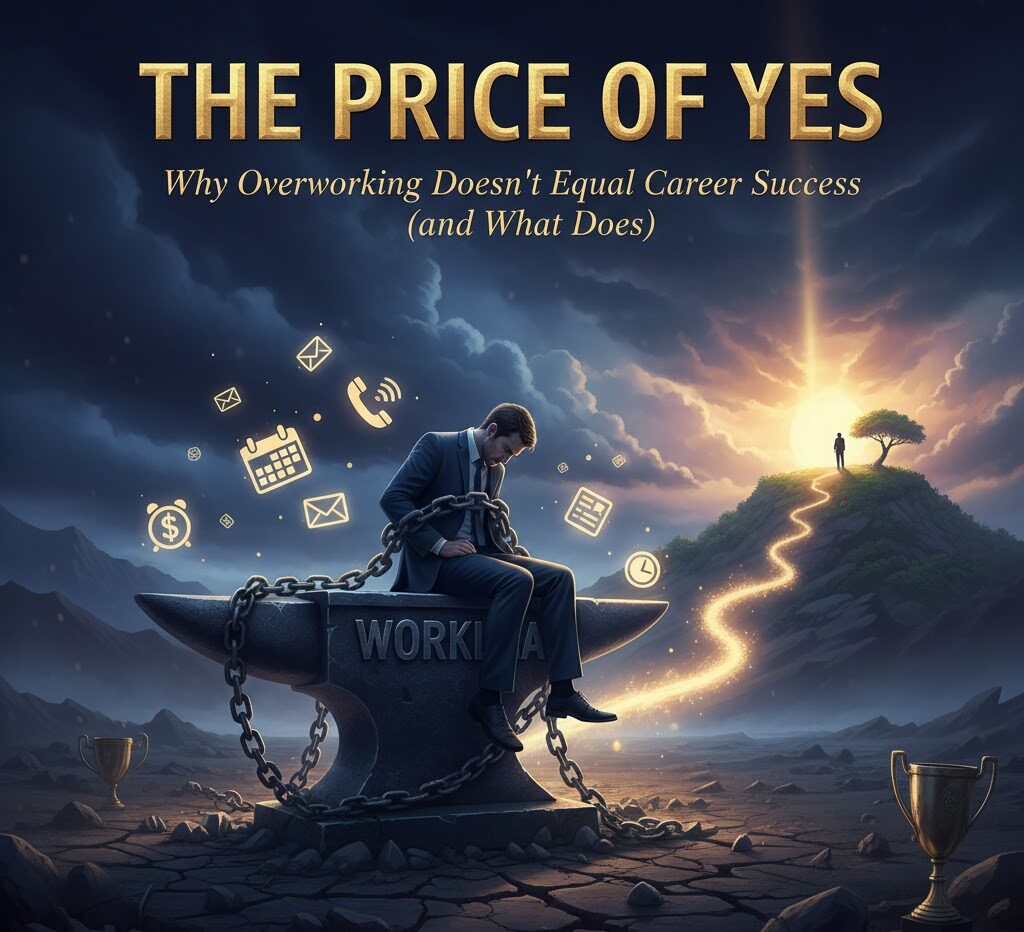
The Price of Yes: Why Overworking Doesn’t Equal Career Success
Let’s be real. How many times have you said “yes” when you should have said “no”? I’m talking about those extra projects, the weekend emails
the “urgent” tasks that somehow magically land on your desk at 5:58 PM on a Friday. We’ve all been there. It’s the unspoken currency of the modern workplace, the price we pay in the hopes of climbing the career ladder. But is it actually working?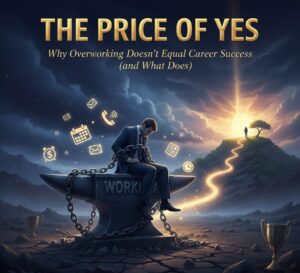 Spoiler alert: Often, it’s not. And the worst part? We’re often the ones who end up paying the biggest price – our time, our energy, and, ultimately, our long-term career prospects. This isn’t a lecture on work-life balance (though that’s important too). This is about the strategic game of career advancement, and how saying “yes” too often can actually set you back.
The Trap of the Overachiever
The “overachiever” – we all know them, and many of us secretly want to *be* them. They’re the ones burning the midnight oil, taking on every assignment, and seemingly always available. We see them getting promoted, getting the “good” projects, and generally appearing to be on a rocket ship to success. But here’s the thing: appearances can be deceiving.
What nobody tells you early in your career is that being busy doesn’t equal being effective. It’s easy to confuse the two. You might be working 60+ hours a week, but what are you actually *achieving*? Are you moving the needle, or are you just spinning your wheels, constantly putting out fires and chasing deadlines?
This is where most professionals get stuck. They fall into the trap of thinking that more work equals more recognition, more opportunities, and, ultimately, more money. They become known as the “go-to” person, the one who always delivers. But that “go-to” status can quickly morph into being the one who’s always *doing*. They become the worker bee, the one who’s always busy but never seems to get ahead.
The real issue is this: overwork rarely translates to strategic growth. You’re so busy executing that you don’t have time to think, to plan, to develop the skills that will actually set you apart. You might be a master of the urgent, but you’re neglecting the important.
The Real Costs of Saying “Yes” Too Often
Let’s break down the real costs of this “yes” mentality:
- Burnout: This is the obvious one, but it’s worth stating. Constant overwork leads to exhaustion, both physical and mental. You become less productive, less creative, and more prone to mistakes. Burnout isn’t just uncomfortable; it can seriously impact your health and well-being.
- Skill Stagnation: When you’re constantly focused on just getting things done, you don’t have time to learn new skills or develop existing ones. This can lead to what’s often called skill stagnation. Think about it: if you’re always in “execution mode,” how are you going to take the time to learn that new software, master a new strategy, or build those crucial leadership skills?
- Reduced Visibility: Paradoxically, working *more* can sometimes make you *less* visible. If you’re always heads-down, you’re not networking, attending industry events, or building relationships with key stakeholders. You might be a workhorse, but you’re not a thought leader.
- Diminished Value: When you’re constantly available, your value can diminish. You become easily replaceable because, in the eyes of your managers, it seems like anyone could do your job. The perception becomes “they’re always available, so they must not be that busy.”
- Missed Opportunities: By saying “yes” to everything, you’re saying “no” to other things, potentially to more strategic projects, better roles, or even a shot at your own business.
- Damage to Reputation: Constantly overpromising and underdelivering (because, let’s be honest, you can only do so much) can damage your reputation. You become known as someone who’s unreliable, or, at best, spread too thin.
The Career Growth Formula Nobody Tells You
So, if overworking isn’t the key to career success, then what is? The actual formula is simple, but not easy. It involves a strategic blend of:
- Focus: Identify your core skills and the areas where you want to excel. Don’t try to be everything to everyone.
- Prioritization: Learn to say “no” to things that don’t align with your goals or that don’t offer significant learning opportunities.
- Skill Development: Dedicate time to building your skills, both hard and soft. Invest in yourself. Take courses, attend workshops, and seek out mentorship. Consider what the future of your industry requires and how you can position yourself accordingly. Are there new software programs to master? New strategies to implement?
- Networking: Build genuine relationships with people in your industry. Attend events, join professional organizations, and cultivate a strong online presence. Get comfortable with the idea of creating genuine connections with your peers and superiors.
- Strategic Visibility: Make sure you are visible to those who matter – the decision-makers, the influencers, the people who can help you advance. But do this strategically, by contributing to key projects, presenting your ideas, and showcasing your expertise.
- Advocacy: Learn to advocate for yourself. This doesn’t mean being aggressive or demanding. It means clearly articulating your value, highlighting your accomplishments, and asking for what you deserve – whether it’s a promotion, a raise, or a new opportunity.
It’s not about working harder; it’s about working smarter. It’s about being strategic about your time and energy, and focusing on the activities that will actually move the needle in your career.
How to Start Saying “No” (and Why It’s Okay)
The hardest part is often saying “no.” We worry about disappointing people, about being seen as lazy or uncooperative. We fear the consequences. But the truth is, a well-placed “no” can be incredibly empowering. Here’s how to do it effectively:
- Assess the Request: Before you say anything, take a moment to evaluate the request. Does it align with your goals? Does it offer a genuine learning opportunity? Does it take you away from more important priorities?
- Be Polite but Firm: You don’t need to over-explain yourself. A simple “I’m sorry, I’m not able to take that on right now because of existing commitments” is often enough.
- Offer Alternatives (If Possible): If you can, suggest an alternative solution, such as pointing the requester to someone else who might be a better fit, or offering to help out in a smaller capacity.
- Set Boundaries: Establish clear boundaries about your working hours and availability. Don’t respond to emails late at night or on weekends unless it’s truly urgent.
- Prioritize Your Own Projects: Make sure your own most important tasks get the attention they deserve. If you say yes to everything, your personal projects will be the first things to go.
- Practice Makes Perfect: It takes practice to become comfortable saying “no.” Start small, and gradually work your way up to more difficult situations.
Remember, saying “no” isn’t selfish. It’s about protecting your time, your energy, and your long-term career goals. It’s about recognizing your own value and prioritizing your own well-being.
Common Career Mistakes Related to Overwork
Let’s look at some common career mistakes that stem from the “yes” mentality:
- Failing to Negotiate: If you’re constantly taking on extra work without negotiating for a promotion or raise, you’re essentially devaluing your labor.
- Ignoring Warning Signs: Burnout doesn’t happen overnight. Pay attention to the early warning signs – fatigue, irritability, a sense of being overwhelmed. Don’t ignore them.
- Neglecting Skill Development: As mentioned earlier, failing to invest in your skills is a major mistake. Your skills are your most valuable asset.
- Becoming a “Yes” Machine: You’re taking on tasks outside your job description, and not doing the core work you were hired to do.
- Lack of a Long-Term View: Focusing solely on the immediate tasks, without considering the long-term impact on your career.
Busting the “Hard Work Alone” Myth
One of the biggest career myths is that hard work alone guarantees success. While hard work is undeniably important, it’s not the only factor. You can work tirelessly, but if you’re not working strategically, you’re likely to get stuck.
Here’s the reality: Career advancement is a multifaceted game. It involves skill development, networking, strategic visibility, and, yes, hard work. But it also requires knowing when to say “no,” when to prioritize, and when to focus on the things that will truly move the needle.
The Long-Term Impact: Income, Reputation, and Career Security
The choices you make today will have a significant impact on your income, your reputation, and your career security in the future.
- Income: By being strategic about your work, you increase your chances of getting promoted, earning raises, and ultimately, increasing your overall income. You can showcase the value you bring to the company instead of just working.
- Reputation: A reputation for being reliable, skilled, and strategic is invaluable. It opens doors to new opportunities, makes you more attractive to potential employers, and gives you more influence within your organization.
- Career Security: In a changing job market, career security comes from having a strong skill set, a valuable network, and the ability to adapt and learn. By focusing on these areas, you’ll be well-positioned to weather any storm.
The Future of Work: What’s Coming
The world of work is constantly evolving. Remote work, hybrid models, and the rise of automation are all reshaping the landscape. To thrive in this new environment, you need to:
- Embrace Lifelong Learning: The skills you need today may not be the skills you need tomorrow. Stay curious, stay adaptable, and be committed to continuous learning. This might involve revisiting skill stagnation and implementing ways to improve your skills.
- Cultivate a Strong Network: Networking is more important than ever. Build relationships with people in your industry, and stay connected with your colleagues.
- Develop Adaptability: Be prepared to pivot, to learn new technologies, and to embrace change.
- Prioritize Well-being: Burnout is a real threat. Take care of yourself, set boundaries, and prioritize your mental and physical health.
FAQ: Your Burning Career Questions Answered
Here are some frequently asked questions (FAQs) about overworking, career growth, and work-life balance.
- Is it okay to work long hours occasionally? Yes, of course. Life happens, and sometimes you need to put in extra time to meet a deadline or complete an important project. The problem is when long hours become the norm.
- How do I say “no” to my boss without getting fired? Be polite, professional, and explain your current workload and priorities. Offer an alternative solution if possible. You can say: “I’m already committed to [project], but perhaps [colleague] would be a better fit.”
- How do I know if I’m headed for burnout? Pay attention to the warning signs – fatigue, irritability, difficulty concentrating, changes in sleep patterns, and a general feeling of being overwhelmed.
- How important is work-life balance? It’s crucial. A healthy work-life balance is essential for your well-being, your productivity, and your long-term career success.
- What if I’m afraid of missing out on opportunities by saying “no”? It’s a valid concern, but remember that by saying “yes” to everything, you might be missing out on even *better* opportunities.
- How can I improve my time management skills? Prioritize your tasks, set realistic deadlines, use a planner or to-do list, and avoid distractions.
- How do I know what skills I need to develop? Research your industry, talk to mentors and colleagues, and identify the skills that are in demand.
- Is it possible to “have it all”? That depends on how you define “all.” You may be able to have a fulfilling career, a strong personal life, and good health – but it requires careful planning, prioritization, and a willingness to make choices.
Saying “no” isn’t always easy. But it’s a necessary skill for any professional who wants to build a long-term, fulfilling, and successful career. It’s about valuing your time, your energy, and your well-being. It’s about playing the long game, and making strategic choices that will pay off in the long run.