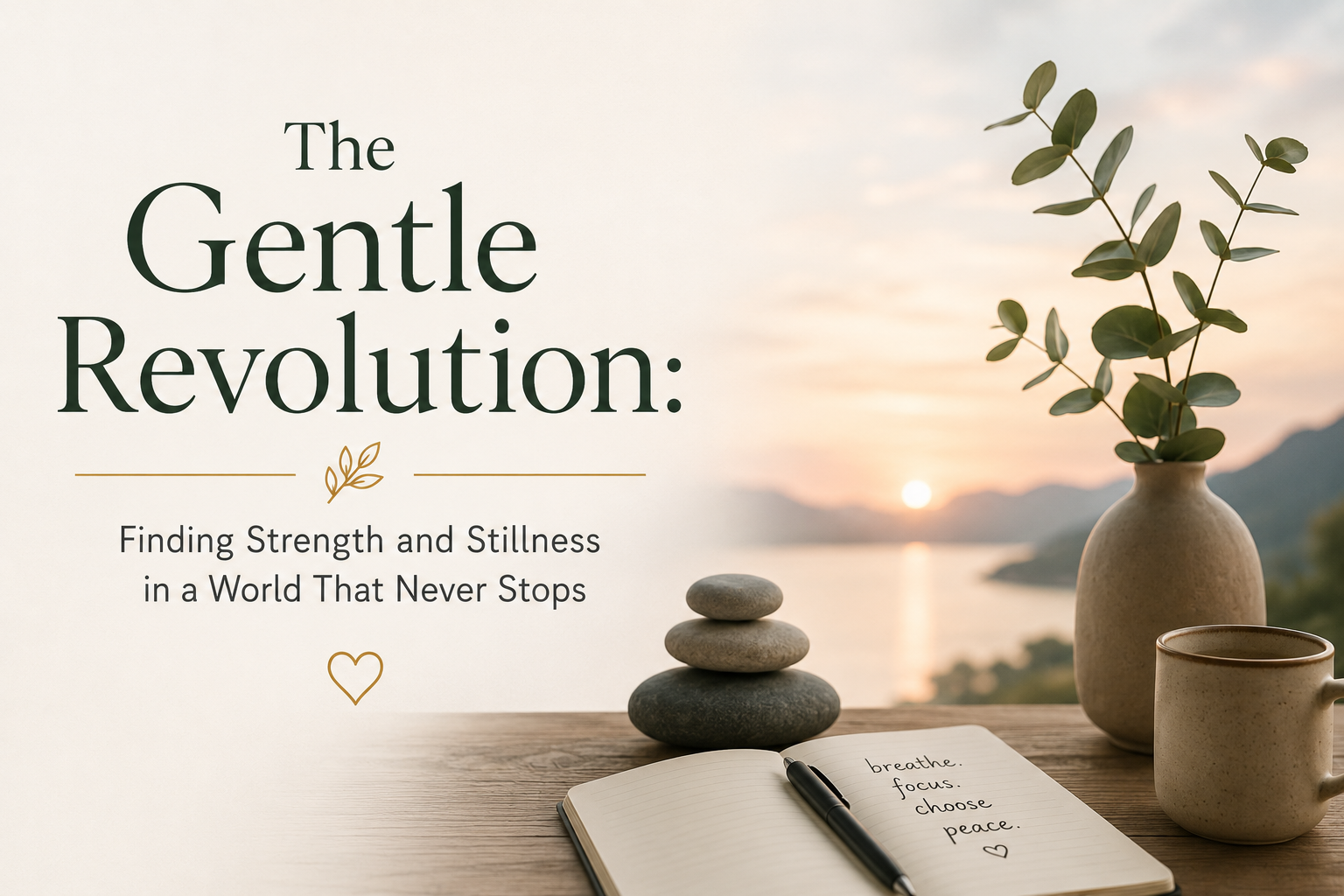
The Gentle Revolution: Finding Strength and Stillness in a World That Never Stops
I get it. You’re tired. Bone-deep, soul-weary tired. The kind of tired that no amount of sleep, coffee, or even a weekend getaway seems to fix. It’s the exhaustion that creeps in from a life lived at a relentless pace, a constant state of “doing,” with little time
for “being.” You’re scrolling through Instagram, seeing everyone else seemingly thriving, and a tiny voice inside whispers: “Am I doing enough? Am I *being* enough?” This feeling, this internal tug-of-war, is where our journey begins. It’s the very soil where personal growth takes root, even if it feels like quicksand at first.
The Paradox of Modern Life
We live in a world that simultaneously demands more of us while offering fewer genuine anchors. We are constantly bombarded with information, opinions, and opportunities, making it difficult to discern what truly matters. The pressure to be “productive,” to “optimize” every waking moment, is immense. This relentless drive, fuelled by social media and the 24/7 news cycle, often leaves us feeling depleted, anxious, and strangely, less effective. It’s a paradox: the more we strive, the less we seem to achieve – true, lasting fulfillment.
This is where most people feel stuck. They *know* they need to change something. They feel the need to slow down, but the fear of falling behind is a powerful deterrent. The messaging is so loud and clear: “Hustle harder!” “Grind your way to success!” “No pain, no gain!”
These phrases are so ingrained into the modern mindset that we barely question them, even when they’re making us miserable. This is where we need to start questioning the fundamentals. Is relentless striving *really* the only path? Or is there another way?
Beyond the Surface: The Inner Work Begins
The “other way” isn’t about laziness or giving up on your goals. It’s about a **gentle revolution** – a shift in perspective and approach. It starts with recognizing that true strength doesn’t come from pushing harder, but from understanding ourselves more deeply. It’s about cultivating a sense of inner stillness, a quiet resilience that allows us to navigate the storms of life with greater ease.
Think about a tree. It doesn’t grow taller by thrashing against the wind. It grows stronger by sinking its roots deeper into the earth. That’s what we need to do. Our “roots” are our core values, our sense of self, our ability to connect with our inner wisdom. The stronger our roots, the more we can weather any storm. The more solid our foundation, the less we need to chase external validation and achievements.
This “inner work” can feel daunting. It’s not as flashy as a new job title or a perfect physique. It’s not about quick fixes or overnight transformations. Growth often looks boring before it looks successful. It’s about making small, consistent changes in our mindset, our habits, and our daily lives.
Breaking Down the Gentle Revolution: Practical Steps
So, how do we begin? How do we cultivate this inner strength and stillness in a world that seems determined to pull us in a million different directions? Here are some practical steps, a blend of mindset shifts and actionable habits:
1. Cultivate Self-Awareness: The Compass Within
Self-awareness is the foundation of any real personal growth. It’s the ability to observe your thoughts, emotions, and behaviors without judgment. This isn’t always easy. Our minds are often like runaway trains, hurtling from one thought to the next. We’re so busy *thinking* that we rarely *notice* our thoughts.
How to cultivate self-awareness:
- Mindfulness Practice: Even five minutes a day of mindful breathing can make a huge difference. Focus on your breath. Notice when your mind wanders, and gently bring your attention back to the present moment. There are countless apps and guided meditations available.
- Journaling: Write down your thoughts and feelings. Don’t worry about perfect grammar or eloquent prose. Just get it all out on paper. This helps you identify patterns in your thinking and behavior.
- Regular Self-Reflection: Set aside time each week to ask yourself: What am I feeling? What am I thinking? What am I doing? What’s working? What’s not?
2. Challenge Your Limiting Beliefs: Rewriting the Script
We all have limiting beliefs – the stories we tell ourselves about what we can and can’t do, what we deserve, and what the world is like. These beliefs often originate in childhood and can sabotage our efforts to grow. “I’m not good enough.” “I’m not smart enough.” “I’ll never be successful.” Sound familiar?
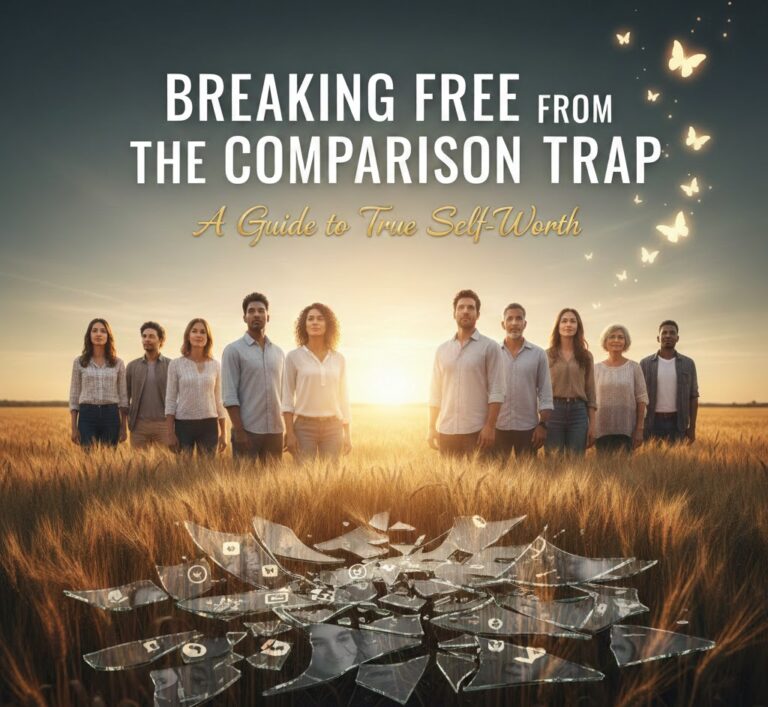
The good news is, these beliefs aren’t set in stone. They can be challenged and rewritten. This is a deep dive, like the journey described in the Breaking Free: How to Escape the Comparison Trap and Reclaim Your Inner Peace article, it takes consistent effort and a willingness to confront the things that feel the most true about yourself.
How to challenge limiting beliefs:
- Identify the belief: What specific story are you telling yourself? Write it down.
- Question the evidence: Is there *really* evidence to support this belief? Or is it based on past experiences, assumptions, or fear?
- Reframe the belief: What would be a more empowering belief? For example, instead of “I’m not good enough,” try “I am capable of learning and growing.”
- Take action: Act as if the new belief is true. Step outside your comfort zone. Try something new, even if it scares you.
3. Practice Self-Compassion: Your Greatest Ally
We are often our own harshest critics. We beat ourselves up over mistakes, failures, and perceived imperfections. Self-compassion is the antidote to this self-criticism. It’s about treating yourself with the same kindness, understanding, and care you would offer a dear friend. It’s about understanding that everyone makes mistakes and that it’s okay to be imperfect.
How to practice self-compassion:
- Acknowledge your suffering: When you’re struggling, acknowledge your pain. Don’t try to push it away or pretend it doesn’t exist.
- Practice self-kindness: Treat yourself with gentleness and understanding. Use kind words and phrases, and speak to yourself in the same way you would speak to a friend.
- Recognize common humanity: Remember that you’re not alone. Everyone experiences suffering, failure, and imperfection. This is a shared human experience.
4. Establish Healthy Boundaries: Protecting Your Energy
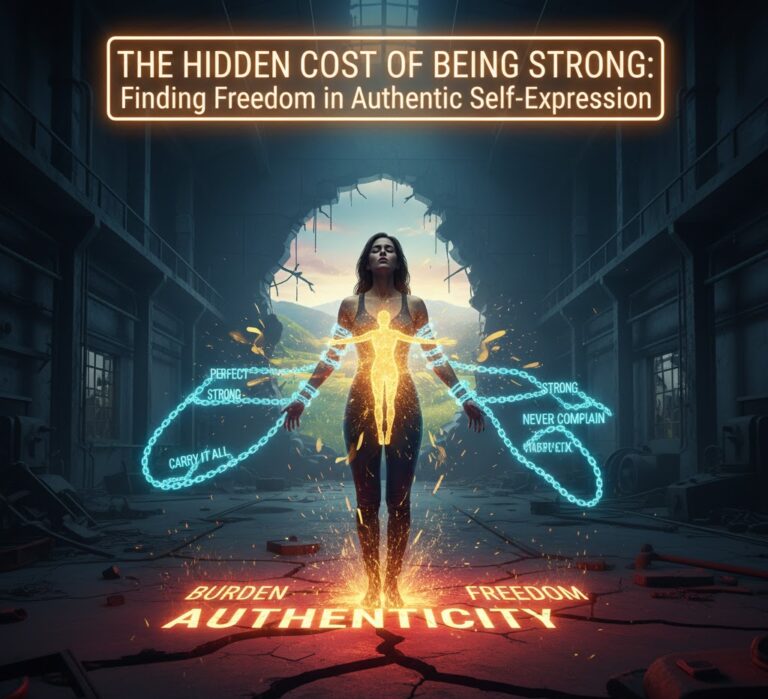
In a world that constantly demands our attention, boundaries are essential. They are the invisible fences that protect our energy, our time, and our emotional well-being. Without clear boundaries, we become vulnerable to burnout, resentment, and a constant feeling of being overwhelmed. This is a huge factor in the feelings of exhaustion. Think about all the times you’ve said “yes” when you really wanted to say “no.” It’s likely you are doing this more than you realize.
How to establish healthy boundaries:
- Identify your needs: What do you need to feel safe, respected, and fulfilled?
- Communicate your boundaries clearly: Learn to say “no” without guilt or explanation.
- Enforce your boundaries: Be prepared to follow through on your boundaries. Don’t let others cross them.
- Be consistent: Boundaries are not a one-time thing. They need to be consistently maintained.
5. Cultivate Gratitude: Shifting Your Focus
Gratitude is a powerful tool for shifting your perspective and cultivating inner peace. It’s about intentionally focusing on the good things in your life, even the small ones. It’s a very simple practice, but the impact it can have on your overall wellbeing is significant.
How to cultivate gratitude:
- Keep a gratitude journal: Write down things you’re grateful for each day.
- Practice mindful appreciation: Take time to savor the simple things, like a beautiful sunset, a delicious meal, or a hug from a loved one.
- Express your gratitude: Tell others how much you appreciate them. Write thank-you notes.
6. Embrace Imperfection: Letting Go of “Perfect”
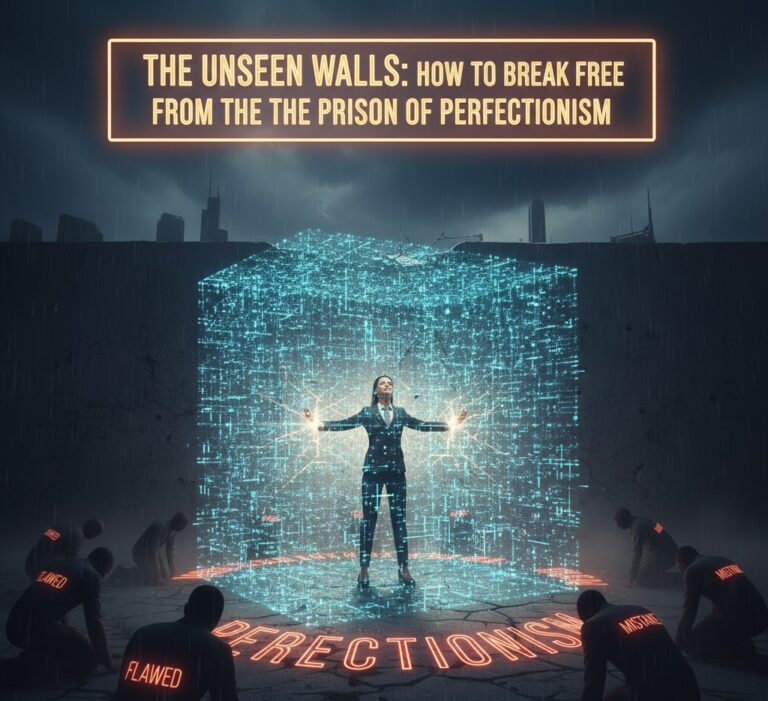
Perfectionism is a major obstacle to personal growth. It keeps us stuck in a cycle of self-criticism and prevents us from taking risks. The truth is, perfection doesn’t exist. Embracing imperfection is about accepting that we are all flawed, and that’s okay. This allows us to take action without fear of failure. It sets you free to try, and to fail. Because every failure is a lesson.
How to embrace imperfection:
- Challenge your perfectionistic tendencies: When you find yourself striving for perfection, ask yourself: “Is this realistic? Is this helpful?”
- Focus on progress, not perfection: Celebrate your achievements, no matter how small.
- Practice self-compassion: Be kind to yourself when you make mistakes.
Common Mistakes to Avoid
As you embark on this journey, there are some common pitfalls to be aware of:
- Trying to do too much, too fast: Personal growth is a marathon, not a sprint. Don’t try to change everything at once. Start small, be consistent, and build momentum.
- Relying on motivation alone: Motivation is fickle. It comes and goes. Develop habits and systems that support your goals, even when you don’t feel motivated.
- Seeking external validation: Don’t base your self-worth on external achievements or the opinions of others. Focus on your internal values and what truly matters to you.
- Ignoring your physical and emotional needs: Self-care is not selfish. It’s essential. Make sure you get enough sleep, eat healthy foods, exercise regularly, and take time to de-stress.
- Comparing yourself to others: Comparison is the thief of joy. Focus on your own journey and celebrate your own progress.
The Long-Term Impact: Building a Life of Meaning
The “gentle revolution” isn’t about quick fixes or superficial changes. It’s about a deep, fundamental shift in how you relate to yourself and the world. The long-term impact of this inner work is profound. You’ll experience:
- Increased Confidence: As you develop self-awareness, challenge limiting beliefs, and practice self-compassion, your self-esteem will naturally increase. You’ll trust yourself more.
- Stronger Relationships: When you’re grounded in your own values and needs, you’ll be able to communicate more effectively and build deeper, more authentic connections with others.
- Greater Resilience: You’ll be better equipped to handle stress, setbacks, and challenges. You’ll be less likely to be derailed by the ups and downs of life.
- Enhanced Decision-Making: When you’re connected to your inner wisdom, you’ll be able to make decisions that align with your values and goals.
- A Sense of Purpose and Meaning: You’ll have a clearer understanding of what truly matters to you and what you want to achieve in life.
Modern Relevance: Navigating the 2026 Landscape
The world is changing at a rapid pace. Artificial intelligence, automation, and global events are creating both challenges and opportunities. In this landscape, emotional intelligence and adaptability are more important than ever. The ability to manage your emotions, build strong relationships, and learn new skills is crucial for navigating the uncertainties of the future. The work that we discussed above – self-awareness, self-compassion, boundary-setting – these are the essential skills to carry you forward.
Consider the rise of remote work. While it offers flexibility, it also blurs the lines between work and personal life. This is where the practice of setting boundaries becomes paramount. Or the constant influx of information on social media. Here, self-awareness and critical thinking are essential for discerning what is real and what is not.
Future Outlook: Emotional Intelligence and Adaptability
The future belongs to those who embrace continuous learning and personal growth. Emotional intelligence, the ability to understand and manage your emotions and the emotions of others, will be a highly valued skill. Adaptability, the capacity to adjust to changing circumstances, will be essential for navigating the complexities of the modern world. The “gentle revolution” is not just about personal well-being. It is about equipping yourself with the skills and mindset you need to thrive in the years to come.
FAQ: Addressing Your Questions
Here are some frequently asked questions, designed to answer some of the thoughts running through your mind:
1. I’m so busy, I don’t have time for self-improvement. Where do I even start?
Start small. Even five minutes of mindfulness or journaling can make a difference. Look for small pockets of time throughout your day. Remember, consistency is more important than intensity.
2. I’m afraid of failure. How do I overcome this fear?
Reframe failure as a learning opportunity. Ask yourself: What did I learn from this? What can I do differently next time? Practice self-compassion when things don’t go as planned. Recognize that everyone fails. That’s just part of being human.
3. How do I stay motivated?
Focus on building habits and systems that support your goals, rather than relying on motivation alone. Break your goals down into smaller, more manageable steps. Celebrate your progress. Find a support system or a friend to keep you accountable.
4. I struggle with comparison. How do I stop comparing myself to others?
Remind yourself that everyone is on their own journey. Focus on your own progress and achievements. Limit your time on social media. Practice gratitude for what you have.
5. I feel overwhelmed by all the information out there. How do I know what’s “right”?
Trust your intuition. What resonates with you? What feels right? Start with the basics: self-awareness, self-compassion, and healthy habits. Experiment and see what works for you.
6. How can I build better relationships?
Practice active listening. Communicate your needs and boundaries clearly. Be empathetic. Show genuine interest in others. Focus on building meaningful connections.
7. I don’t know what my “purpose” is. Does that mean I’m failing?
No! Your purpose is not a destination; it’s a journey. It often evolves over time. Focus on living a life aligned with your values. Be open to new experiences and opportunities. Explore what sparks your interest. The Complifest homepage can offer more support to help discover your path.
8. Is it really possible to change?
Yes. Change is not easy, but it is possible. It takes time, effort, and consistency. Celebrate your progress and be patient with yourself. Remember the gentle revolution; small consistent steps can change your life.