The Unseen Cost of Being a Team Player: When Loyalty Holds You Back
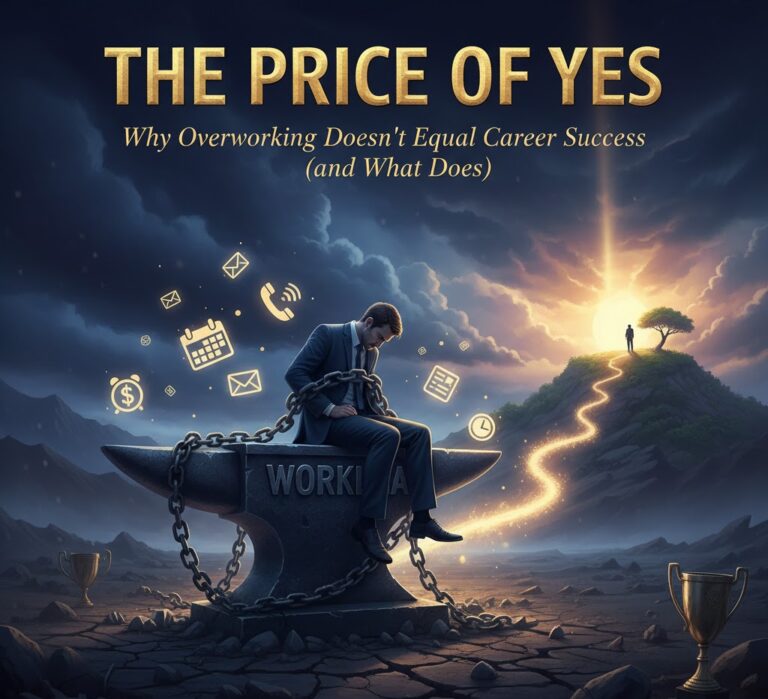
Let’s be real. We’ve all been there. You’re grinding, putting in the extra hours, always volunteering, and generally trying to be the “good” employee. You’re a team player, through and through. You’re loyal. You believe that hard work and dedication will be recognized, and the promotions will roll in. But then… they don’t.

This is where things get tricky. Because the unspoken truth in the professional world is that being a “team player” isn’t always enough. In fact, it can sometimes actively harm your career trajectory. I’ve seen it countless times in my two decades in the trenches of the working world. The kindest, most dedicated people often get overlooked while others, sometimes less deserving, rise through the ranks.
The Trap of Unquestioning Loyalty
The problem isn’t necessarily being a team player. It’s the type of team player you are. Unquestioning loyalty, always agreeing, always saying yes – that can be a career killer. Think about it: When you’re always agreeable, you become predictable. You become someone who’s easily managed, but not necessarily someone who’s seen as a leader or a strategic thinker.
What nobody tells you early in your career is that managers, and companies, aren’t always looking for people who blindly follow. They need people who can think critically, offer solutions, and challenge the status quo – respectfully, of course. Being a “yes” person might get you brownie points in the short term, but it won’t build you the kind of reputation that opens doors to bigger opportunities.
The Real Value: Strategic Contributions, Not Just Effort
Let me be blunt: companies are, at their core, driven by results. They want people who can solve problems, generate revenue, and make their lives easier. Effort is appreciated, sure. But it’s your *impact* that matters most. Are you contributing in a way that’s visible and measurable? Are you offering ideas that move the needle?
The best professionals I know are strategic team players. They collaborate, support their colleagues, and pitch in when needed. But they also have clear boundaries. They’re not afraid to voice their opinions, even if it means disagreeing with the boss. They’re focused on the bigger picture, always looking for ways to improve processes, identify opportunities, and bring value beyond just putting in hours.
How Careers Actually Grow (It’s Not What You Think)
Most people think career growth is a linear path: Work hard, get promoted, repeat. That’s the fairy tale. The reality is far more complex. It’s about a combination of things, all working together, and it often involves a degree of self-promotion and strategic maneuvering that many find uncomfortable.
Here’s a breakdown of what *actually* drives career growth:
- Building a Strong Reputation: This isn’t just about being good at your job. It’s about being known for your expertise, your problem-solving skills, and your ability to get things done. It’s about being seen as someone who’s reliable, valuable, and someone people *want* to work with.
- Networking and Visibility: You can’t expect to be recognized if you’re invisible. Networking isn’t just about schmoozing at company events. It’s about building relationships with people at all levels of the organization, and even outside it. It’s about being known to the right people.
- Strategic Skill Development: Are you developing the skills that are in demand *now* and that will be in demand in the future? Or are you just comfortable doing what you’ve always done? Staying relevant is key. Continuously learning, adapting, and growing your skillset is non-negotiable.
- Advocating for Yourself: This is where many people fall short. You can’t wait for someone to notice your accomplishments and offer you a promotion. You need to proactively showcase your value, highlight your achievements, and make your aspirations known.
- Understanding the Company’s Needs: Your career growth is directly tied to the company’s success. Are you paying attention to the strategic priorities? Can you align your contributions with the company’s goals? Showing that you understand the big picture makes you invaluable.
The reality is that your career is a series of strategic choices. It’s not about being a “good” employee, it’s about being a strategic, valuable asset.
Common Career Mistakes Tied to “Team Player” Syndrome
Let’s look at some specific mistakes people make when they prioritize being a “team player” at the expense of their own careers.
- Failing to Negotiate Salary: The “good” employee rarely negotiates. They accept what they’re offered, believing that their loyalty will be rewarded later. That “later” often never comes. What starts as a small difference in salary compounds over time, costing you tens or even hundreds of thousands of dollars over your career.
- Avoiding Conflict: Always agreeing with the boss, even when you know something is wrong. This doesn’t make you a team player; it makes you a follower. Speaking up, respectfully, is crucial. It shows that you’re willing to do what’s best for the company, not just for your immediate manager.
- Lack of Self-Promotion: Assuming your hard work will speak for itself. It rarely does. You need to actively showcase your accomplishments, share your successes, and make sure the right people know what you’re doing.
- Not Investing in Yourself: Putting the company’s needs ahead of your own professional development. This means skipping training, not pursuing certifications, and not taking time to build your skills. In the long run, this leads to stagnation and makes you less valuable.
- Staying Too Long in a Toxic Environment: Loyalty to a company, even when the company is toxic, is a recipe for burnout and career stagnation. If the culture is draining you, it’s time to move on, no matter how much you “love” the company.
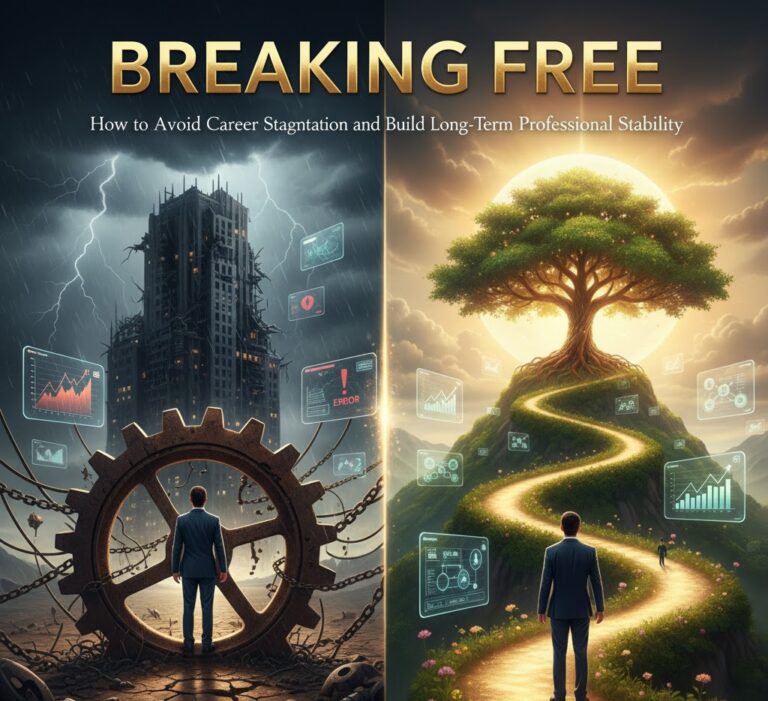
Breaking Free: Practical Strategies for Long-Term Professional Stability
So, how do you navigate this tricky balance? How do you be a good team player without sacrificing your career?
- Define Your Boundaries: Learn to say “no” when necessary. You don’t have to agree to every request. Protect your time and energy.
- Prioritize Your Own Development: Allocate time for learning, skill-building, and personal growth. Your career is *your* responsibility.
- Build a Strong Personal Brand: Define what you want to be known for, and then actively cultivate that image. This involves both your work and your relationships.
- Network Strategically: Don’t just attend events. Build genuine relationships with people who can help you reach your goals. Cultivate connections inside and outside your company.
- Document Your Accomplishments: Keep a record of your achievements. Use this information when it’s time for performance reviews, salary negotiations, or applying for new roles.
- Seek Mentors and Sponsors: Find people who can guide you and advocate for you. A mentor can provide advice and support, while a sponsor can actively promote your career.
- Master the Art of Communication: Learn to express your opinions clearly and confidently, even when you disagree with others. This is a critical leadership skill.
- Be Proactive, Not Reactive: Don’t wait for opportunities to come to you. Actively seek them out.
Busting the Biggest Career Myths
Let’s debunk some common myths that keep people stuck.
- Myth: Hard work alone guarantees success. Truth: Hard work is necessary, but it’s not sufficient. You also need to be strategic, build relationships, and advocate for yourself.
- Myth: Loyalty guarantees career growth. Truth: Loyalty is appreciated, but it doesn’t automatically translate into promotions or raises.
- Myth: Your manager is responsible for your career. Truth: Your manager can support you, but *you* are ultimately in charge of your career.
- Myth: Office politics are always bad. Truth: Politics are unavoidable. Learning to navigate them effectively is a necessary skill for career success.
- Myth: You have to be “naturally” talented to succeed. Truth: Talent helps, but hard work, persistence, and strategic choices are far more important.
- Myth: You should stay in a company “forever”. Truth: Sometimes, the best move for your career is to move on. Loyalty has its limits.
The Long-Term Impact: Income, Reputation, and Security
The choices you make early in your career have a profound impact on your long-term success. What you do today shapes your income, your reputation, and your job security.
Here’s what you stand to gain by embracing a more strategic approach to your career:
- Increased Earning Potential: Higher salaries, more frequent raises, and more lucrative job offers. You’re paid for your *value*.
- Stronger Reputation: You become known as a leader, a problem-solver, and a valuable asset.
- Greater Job Security: You’re more resilient to economic downturns and industry changes. Because your skills are in demand.
- More Career Options: You have more choices, and more control over your career path.
- Reduced Burnout: You’re more fulfilled in your work, and less likely to feel stressed, overwhelmed, or resentful.
On the flip side, what’s the risk? The potential consequences of being a “good” employee who never levels up are significant. You stagnate in the same role, watch others get promoted while you remain stuck, and potentially face layoffs. You’re vulnerable in the job market, and you may find yourself perpetually underpaid and undervalued.
Modern Relevance: The Evolving Workplace
The workplace is changing, and the rules of the game are changing with it. The rise of remote work, the increasing importance of soft skills, and the rapid pace of technological advancements mean you need to be more adaptable and proactive than ever.
Here’s what you need to know:
- Remote Work: Has blurred the lines between work and life. You need to be even more disciplined with your time and energy.
- Soft Skills: Communication, emotional intelligence, and problem-solving are more valuable than ever.
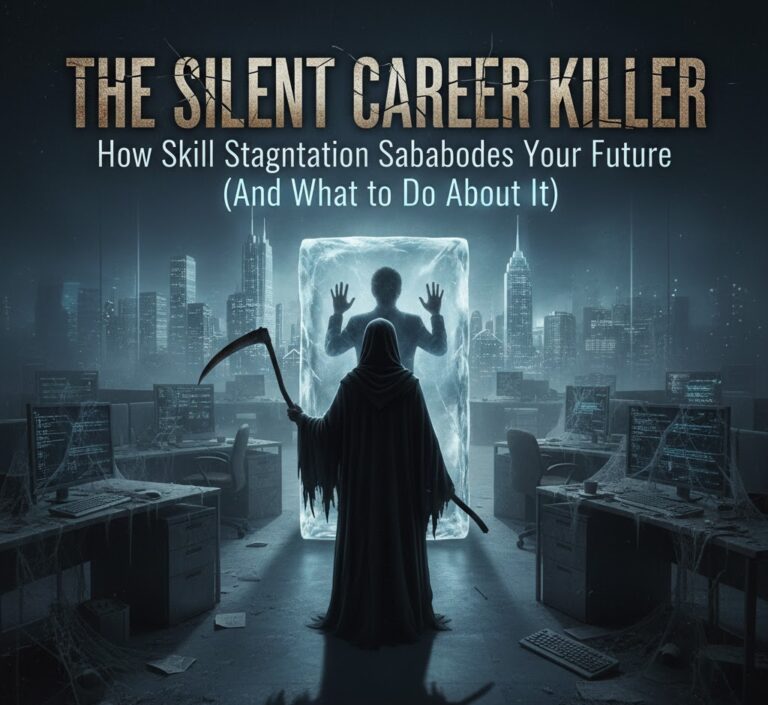
- Lifelong Learning: Skill stagnation is career suicide. You must be committed to continuous learning to stay relevant.
- The “Gig Economy”: The rise of freelancing and contract work means you need to be prepared to adapt to different work models. This puts even greater importance on building your personal brand and marketable skills.
The companies that thrive in the future will be the ones that embrace innovation and empower their employees. But ultimately, your career is in your hands.
Future Outlook on Careers, Skills, and Workplace Evolution
Where are things headed? Here’s a glimpse into the future of work:
- The Rise of AI: AI will automate many tasks, meaning that the skills of the future will be those that AI cannot replicate: creativity, critical thinking, complex problem-solving, and emotional intelligence.
- The Importance of Adaptability: The ability to learn, adapt, and embrace change will be paramount. Careers will evolve rapidly.
- Focus on Purpose: People are increasingly seeking purpose and meaning in their work. Companies that align with these values will attract and retain top talent.
- The “Portfolio Career”: More and more professionals will have multiple income streams, working on various projects simultaneously. This is where your ability to market your skills is so essential.
This is where understanding the power of breaking the cycle of delay, and focusing on action becomes important. You can’t wait for the perfect moment or for someone to tell you what to do.
FAQ Section
Let’s address some common questions:
- How do I start building a personal brand? Start by defining your area of expertise. Identify your strengths and passions. Create a professional online presence (LinkedIn, etc.). Share your knowledge and insights.
- How do I negotiate a salary increase? Research industry standards. Quantify your accomplishments. Practice your negotiation skills. Don’t be afraid to ask for what you deserve.
- What if I’m afraid to speak up at work? Start small. Practice in safe environments. Build your confidence by being prepared and focusing on facts. Find allies.
- How do I deal with a toxic work environment? First, try to address the issues. If it’s not possible to improve the situation, start planning your exit strategy. Your mental health is worth more than any job.
- How do I identify my transferable skills? Make a list of your past roles and responsibilities. Identify the skills you used in each role (communication, problem-solving, etc.). Research industry trends to identify what’s in demand.
- Is it okay to job hop? It’s not always a bad thing. However, excessive job hopping can be a red flag. Focus on building a strong resume and a clear career narrative.
- How important is a college degree? It depends on the industry and the role. Some roles require a degree; others value experience and skills. Focus on building a skillset that’s in demand.
- How do I find a mentor? Network. Reach out to people you admire. Be clear about what you’re looking for, and show genuine interest in their advice and expertise.
At the end of the day, your career is a journey. It’s not always easy. It involves taking risks, making tough choices, and constantly evolving. But by understanding the unspoken realities of the professional world and taking control of your career, you can build a fulfilling and successful professional life. And, if you’re looking to make this easier, start building a strong foundation, today.