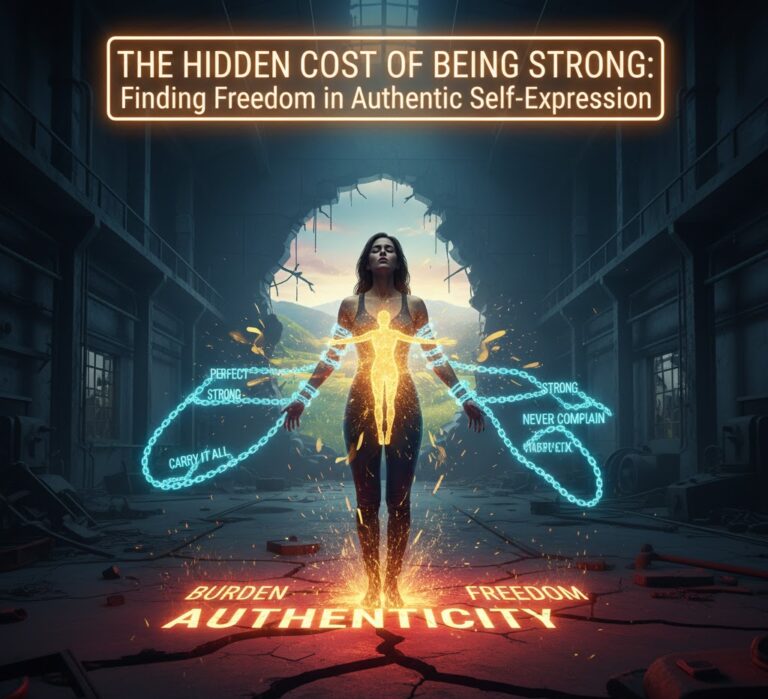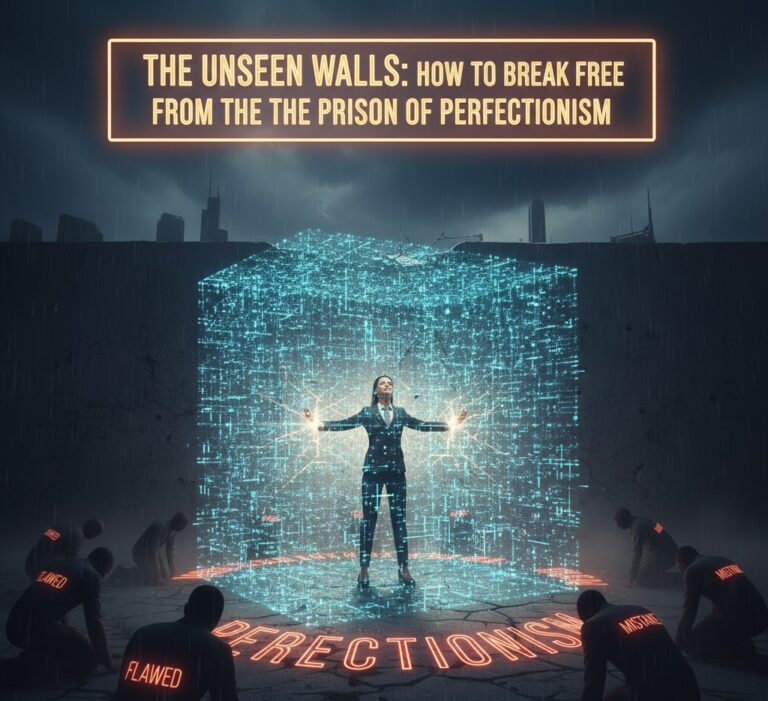
Navigating the Inner Maze: Finding Your True North in a World of Constant Distraction
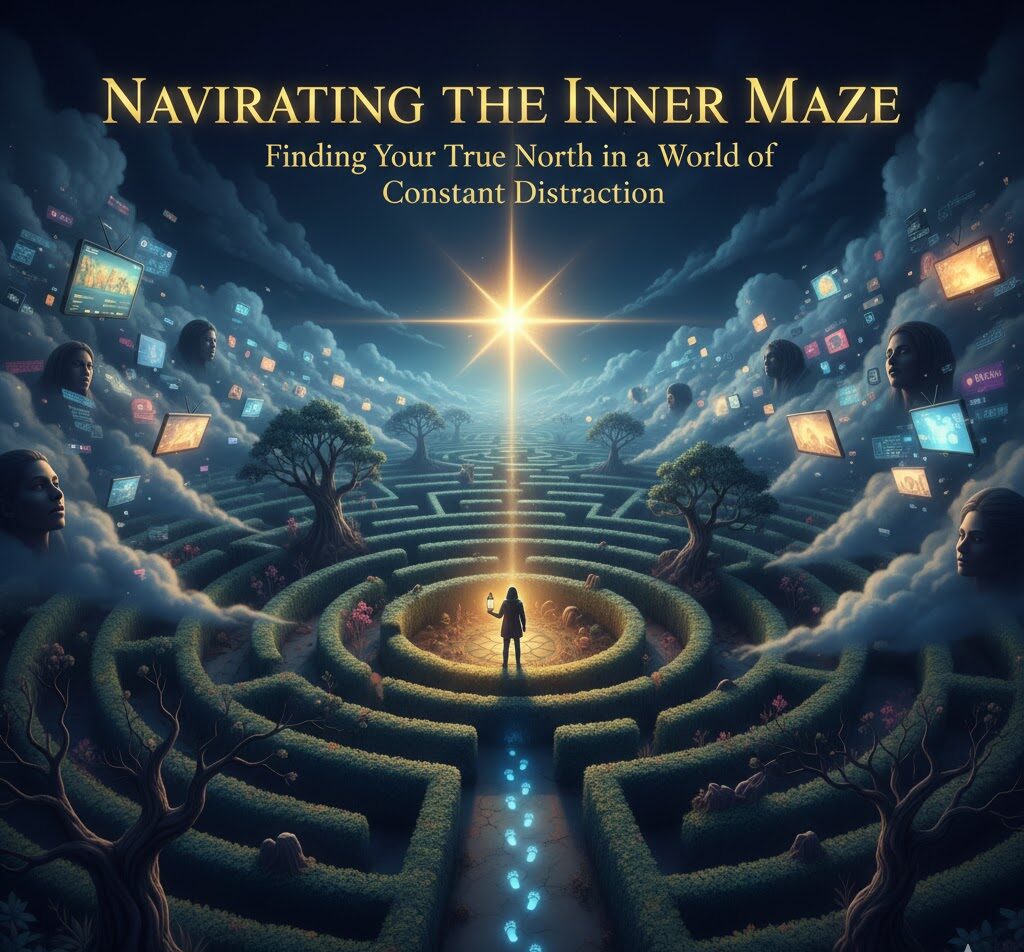
There’s this quiet hum, isn’t there? A persistent feeling that you should be *more*. More productive, more successful, more… something. It’s like walking through a dense fog, where every step feels uncertain, and the path ahead is obscured. You see others seemingly striding with purpose, their destinations clear, and you can’t help but wonder: where did they find their map? And more importantly, where’s yours?
 I’ve spent two decades walking alongside people grappling with this very disorientation. It’s not about lacking ambition or intelligence; it’s about navigating the intricate maze of our own minds, a maze often made more complex by the relentless noise of the modern world. We’re bombarded with information, comparisons, and the ever-present pressure to achieve, to optimize, to *be* better. This external clamor can drown out our inner compass, leaving us feeling adrift, disconnected from what truly matters.
Why the Path to Personal Growth Feels So Steep
If personal development were as simple as reading a self-help book and applying a few tips, we’d all be living perfectly curated lives. But it’s not. The journey feels arduous because it’s fundamentally an internal one, and our internal landscape is far more complex than any external achievement. We’re fighting against deeply ingrained patterns, the subconscious whispers of past experiences, and a brain that’s naturally wired for efficiency and comfort, not constant change. This desire for growth, this yearning for a clearer direction, often bumps up against our innate resistance to discomfort and the unknown.
Psychologically, we’re creatures of habit. Our brains create neural pathways to make recurring actions easier. Stepping off these well-worn paths, even if they lead to a more fulfilling destination, requires significant energy and conscious effort. It can feel like swimming against a strong current. Then there’s the social aspect. We live in a culture that often equates self-worth with external validation – likes, promotions, possessions. This makes it harder to prioritize internal growth, which rarely comes with immediate, visible rewards. The temptation to chase external markers of success, even when they don’t align with our core values, is immense. We see others’ highlight reels and mistake them for everyday reality, fueling our own self-doubt and dissatisfaction.
Deconstructing Development: Small Steps, Big Shifts
The idea of “improving yourself” can feel overwhelming, like trying to repaint an entire house in a single weekend. But real growth isn’t about grand, sweeping changes; it’s about incremental shifts, tiny adjustments that, over time, create significant momentum. Think of it less like a marathon sprint and more like a gentle, persistent current guiding you downstream.
The key is to break down development into manageable, realistic actions. Instead of aiming to “become more disciplined,” start by identifying one small habit you want to cultivate. Maybe it’s reading for 15 minutes before bed, or going for a short walk each morning. The goal isn’t perfection; it’s consistency. Each time you follow through, even imperfectly, you’re reinforcing a new neural pathway. You’re building a tiny win that accumulates. This is where most people feel stuck – they aim too high, too fast, and when they inevitably stumble, they give up, believing they’ve failed. But growth often looks boring before it looks successful. It’s the quiet accumulation of small efforts, the consistent showing up, day after day.
Consider your decision-making process. Many people are paralyzed by the fear of making the “wrong” choice. They overthink, analyze endlessly, and often end up making no decision at all. The inner work here isn’t about developing a perfect prediction system; it’s about cultivating trust in your ability to handle the outcomes, whatever they may be. It’s about understanding that most decisions are not life-altering crossroads, but rather opportunities to learn and adjust. This is the essence of personal clarity – knowing yourself well enough to make choices that align with your values, and having the confidence to navigate the consequences.
Common Pitfalls on the Road to Self-Improvement
The self-improvement landscape is littered with potential traps. One of the most pervasive is the illusion of progress without real change. We might read books, attend seminars, or listen to podcasts, feeling inspired in the moment, but if that inspiration doesn’t translate into tangible shifts in our thoughts, feelings, or behaviors, it’s just intellectual exercise. We’re consuming information without integrating it. This is where many people work hard but avoid this inner step of genuine application and reflection.
Another common mistake is falling into the “all-or-nothing” trap. If you miss a day of your new workout routine, or eat something “unhealthy” after deciding to change your diet, you might feel like you’ve blown it entirely and abandon the effort. This all-or-nothing mindset is incredibly damaging. Growth isn’t linear. There will be setbacks, slip-ups, and days where you feel utterly unmotivated. The goal is not to achieve perfect adherence, but to acknowledge the deviation, learn from it, and get back on track with the next opportunity.
Comparison is also a silent killer of personal growth. We look at others, perhaps through the curated lens of social media, and compare their perceived progress to our own messy reality. This is a losing game. Everyone has their own unique journey, their own internal battles, and their own timeline. Focusing on external benchmarks rather than your own internal progress is like trying to navigate by looking at someone else’s compass. It’s a recipe for frustration and a distorted sense of self.
Busting the Myths: Growth is a Marathon, Not a Microwave Meal
Let’s talk about some of the myths that plague the personal development space. The idea of “overnight success” or radical transformation is largely a fantasy. Real, sustainable change is a gradual process. It’s about cultivating habits, shifting mindsets, and building resilience over time. The dramatic transformations you see in movies or aspirational biographies are usually the result of years of consistent effort, often unseen and uncelebrated.
Then there’s the myth of motivation. We’re often told to “find our motivation” or “stay motivated.” But motivation is an unreliable friend. It comes and goes, often dependent on external factors or our emotional state. Relying solely on motivation to drive change is like building a house on shifting sand. True progress comes from discipline and commitment – the decision to act even when you don’t feel like it. It’s about showing up because you’ve committed to the process, not because you’re feeling particularly inspired that day. This is about building internal drive, something that doesn’t depend on the whims of mood.
And what about the relentless hustle culture? The pervasive idea that you must constantly be “on,” grinding away, sacrificing sleep and well-being for the sake of achievement. This is not sustainable, nor is it healthy. True growth often requires periods of rest, reflection, and integration. Pushing yourself to the brink of burnout isn’t a sign of strength; it’s a sign of an unsustainable approach. We need to learn to balance effort with recovery, ambition with well-being. This modern life, especially in 2025 and 2026, demands adaptability and emotional intelligence, not just brute force. The ability to manage energy, set boundaries, and prioritize sustainable progress is crucial.
The Rippling Effects: Confidence, Relationships, and Life Choices
The impact of genuine personal growth extends far beyond individual achievement. As you cultivate a deeper understanding of yourself, your confidence blossoms. This isn’t the brittle, performative confidence that seeks external validation, but a quiet, unshakeable self-assurance born from knowing your values, trusting your judgment, and having the courage to be imperfect. This authentic confidence radiates outward, influencing how you show up in all areas of your life.
Your relationships deepen. When you’re more self-aware and emotionally regulated, you communicate more effectively, set healthier boundaries, and engage with others from a place of authenticity rather than neediness or insecurity. You’re less likely to fall into patterns of comparison or resentment, fostering more genuine connections. The ability to be present and empathetic, honed through self-work, becomes a superpower in personal and professional interactions. This is about building genuine understanding, not just scores or superficial metrics, a concept explored further in contexts like Beyond Grades: Cultivating Genuine Understanding in a World Obsessed with Scores.
Your life choices become more aligned with your authentic self. Instead of making decisions based on external pressures or societal expectations, you begin to choose paths that resonate with your core values and long-term aspirations. This clarity allows you to navigate career changes, personal challenges, and life transitions with greater purpose and less anxiety. You’re not just reacting to life; you’re actively participating in its creation. This long-term impact is what true personal development is all about – building a life that feels not just successful, but deeply fulfilling.
The Future of Growth: Emotional Intelligence and Adaptability
Looking ahead to the evolving landscape of 2025 and beyond, the skills that will matter most are not necessarily technical, but deeply human. Emotional intelligence – the ability to understand and manage your own emotions, and to recognize and influence the emotions of others – will be paramount. As AI continues to automate tasks, our capacity for empathy, collaboration, and nuanced human interaction becomes our unique value proposition. Developing your emotional strength is no longer a nice-to-have; it’s a fundamental requirement for navigating a complex, interconnected world.
Adaptability is the other cornerstone of future success and well-being. The pace of change is accelerating. Industries shift, technologies evolve, and societal norms transform at an unprecedented rate. Those who can remain flexible, learn continuously, and pivot when necessary will thrive. This requires a growth mindset – the belief that your abilities can be developed through dedication and hard work. It means embracing challenges, persisting in the face of setbacks, and seeing effort as the path to mastery. Cultivating this inner resilience and openness to change is the ultimate form of personal development, preparing you not just for the challenges of tomorrow, but for the opportunities they bring.
Frequently Asked Questions About Navigating Your Inner Maze
How do I start making personal changes if I feel completely stuck?
Start incredibly small. Choose one tiny habit, like drinking an extra glass of water or taking five deep breaths when you feel stressed. The goal is to build momentum through small, consistent wins, not to overhaul your life overnight. Focus on the process, not the immediate outcome.
I try to improve, but I always fall back into old patterns. What am I doing wrong?
You’re likely falling into the “all-or-nothing” trap. Real change isn’t linear; it involves progress, setbacks, and learning. Instead of viewing a slip-up as a failure, see it as an opportunity to learn what triggered it and how you can respond differently next time. Be compassionate with yourself; it’s a journey, not a race.
How can I stop comparing myself to others, especially on social media?
Remind yourself that social media is a highlight reel, not reality. Consciously limit your exposure if it’s triggering negative comparisons. Focus instead on your own unique journey and progress. Celebrate your small wins and acknowledge that everyone faces their own struggles, even if they aren’t visible.
Is it normal to feel resistance or discomfort when trying to grow?
Absolutely. Growth inherently involves stepping outside your comfort zone, and that’s often accompanied by feelings of uncertainty, fear, or resistance. Your brain is trying to keep you safe and efficient. Recognizing this resistance as a normal part of the process, rather than a sign you should stop, is crucial.
How do I know if my personal development efforts are actually working?
Look for subtle shifts in your mindset, emotional responses, and behaviors. Are you handling challenges with a bit more grace? Are you making choices more aligned with your values? Are your relationships improving? True growth often manifests not in dramatic external changes, but in deeper internal shifts and a greater sense of well-being and clarity over time.
What’s the difference between discipline and motivation?
Motivation is a feeling that comes and goes; it’s what makes you *want* to do something. Discipline is a choice; it’s the commitment to do it *regardless* of how you feel. While motivation can be a helpful spark, discipline is the engine that drives sustainable progress. Cultivating discipline means showing up even on days when inspiration is absent.
How can I build genuine confidence rather than just acting confident?
Genuine confidence comes from self-knowledge, competence, and self-acceptance. It’s built by taking consistent action towards your goals, learning from mistakes, understanding your values, and accepting yourself, flaws and all. It’s about developing an inner certainty that doesn’t rely on external approval.
In today’s fast-paced world, how do I find time for self-reflection?
It’s not about finding time; it’s about making time. Even 5-10 minutes a day can make a difference. This could be during your commute, before bed, or first thing in the morning. Journaling, meditation, or simply quiet contemplation can serve as powerful tools for self-reflection, helping you stay connected to your inner compass amidst the external rush. For more on cultivating understanding in a busy world, consider resources from Complifest.