Cultivating a Lifelong Love of Learning in the Digital Age
I remember a student, let’s call him Rohan, who walked into my classroom looking utterly defeated. It was the start of the new academic year, and the weight of textbooks
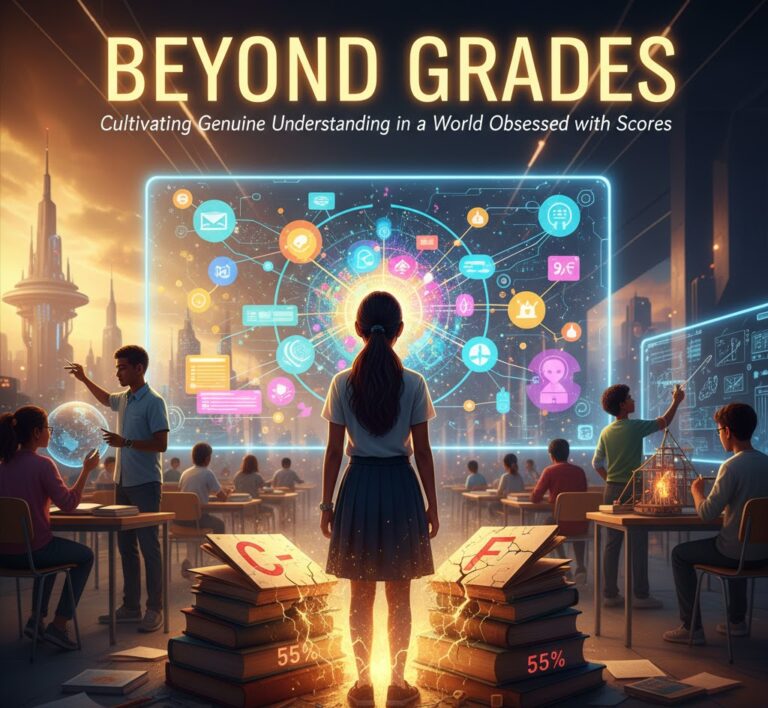
homework, and upcoming exams already seemed to be crushing him. “Sir,” he sighed, “it’s just… too much. I study, I memorize, but it never feels like I actually *understand* anything.”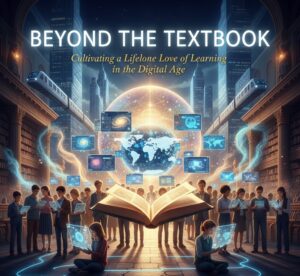 Rohan’s predicament is, sadly, a common one. We’ve all been there, haven’t we? Buried under a mountain of information, feeling like we’re just going through the motions, ticking boxes, rather than truly grasping the subject matter. The pressure to perform, to get good grades, often overshadows the joy of learning itself. This is a crucial problem in modern education, and it’s something we need to address.
The Heart of the Matter: How Does Learning Actually Happen?
Before we can fix the problem, we need to understand how learning really works. It’s not simply about passively absorbing information. True learning is an active process. It’s about:
- Making Connections: Linking new information to what you already know. Think of it like adding new branches to a growing tree – the more connections, the stronger the tree.
- Asking Questions: Curiosity is the engine of learning. Questioning the “why” behind things helps us dig deeper.
- Experimenting and Doing: Learning by doing is powerful. It’s like learning to ride a bike – you can read all the instructions, but you only truly learn by trying (and falling!).
- Reflecting and Revising: Looking back at what you’ve learned, identifying gaps in your understanding, and adjusting your approach.
Think about a time you truly learned something. Maybe it was learning a new skill, understanding a complex concept, or figuring out how to solve a problem. Chances are, it involved these four elements. You weren’t just memorizing facts; you were actively engaging with the material.
The Strengths and Weaknesses of Traditional Education
Traditional education has its strengths, of course. It provides a structured framework, a set of core knowledge, and a platform for social interaction. The idea of a shared curriculum is meant to create a level playing field, ensuring that all students are exposed to essential concepts. However, this system also has significant flaws.
Strengths:
- Structured Curriculum: Provides a clear roadmap of what to learn.
- Socialization: Offers opportunities to interact with peers.
- Standardized Assessment: Provides a way to measure and compare student performance.
Weaknesses:
- Emphasis on Rote Learning: Often prioritizes memorization over understanding.
- Passive Learning: Students are often passive recipients of information rather than active learners.
- One-Size-Fits-All Approach: Ignores the individual needs and learning styles of students.
- Pressure to Perform: Focus on grades can overshadow the joy of learning.
This is where traditional education struggles. It often focuses on covering the material, hitting the targets, and assessing the results, rather than fostering a genuine passion for the subject. It creates a system where the grade is the goal, and learning is merely the means.
Common Mistakes: Students, Parents, and the System
We often make mistakes that hinder our ability to learn and grow. These mistakes manifest in students, parents, and within the education system itself. Let’s look at some of the most common ones:
For Students:
- Passive Learning: Treating learning as a passive activity, rather than actively engaging with the material.
- Cramming: Relying on last-minute memorization instead of consistent study and understanding.
- Fear of Failure: Avoiding challenges and new experiences due to a fear of not succeeding.
- Focusing on Marks: Viewing marks as the ultimate goal, rather than understanding the concepts.
For Parents:
- Overemphasizing Grades: Putting undue pressure on children to achieve high marks.
- Ignoring Individual Needs: Forcing children into rigid academic paths without considering their interests and aptitudes.
- Lack of Involvement: Not actively participating in their children’s learning journey.
- Comparing Children: Comparing children to their peers, leading to unnecessary stress and pressure.
For the Education System:
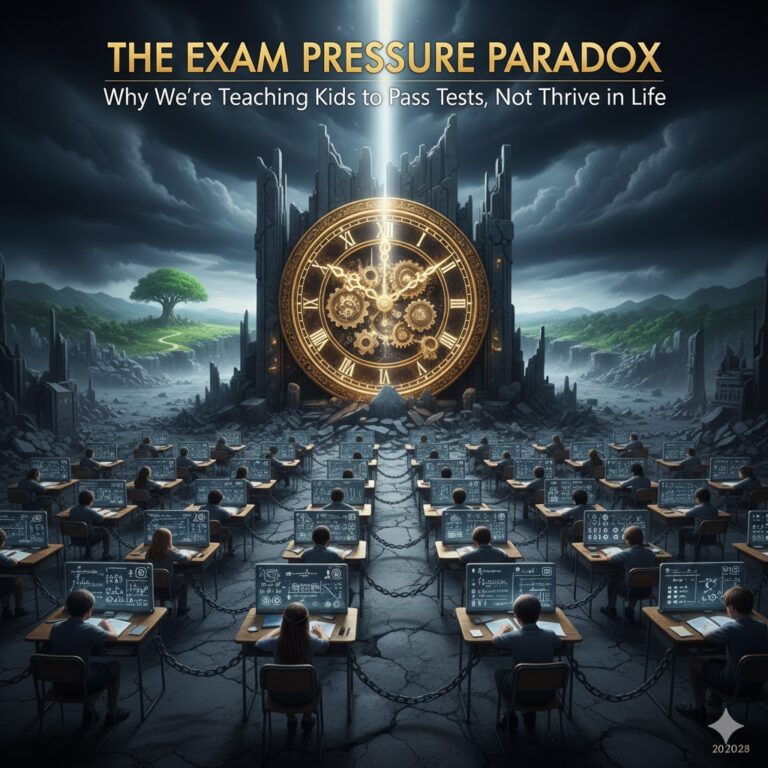
- Over-Reliance on Standardized Tests: Using tests as the primary measure of student success.
- Lack of Innovation: Failing to adapt teaching methods to the changing needs of students.
- Insufficient Teacher Training: Not providing adequate support and training for teachers to implement innovative teaching practices.
- Ignoring the Importance of Soft Skills: Failing to recognize and cultivate skills like creativity, critical thinking, and communication.
Parents often focus on marks and miss the big picture – the development of their child’s intrinsic curiosity and love of learning. Similarly, the system sometimes becomes so focused on metrics that it overlooks the human element of education.
Busting Popular Education Myths
Let’s debunk some common misconceptions about learning and education:
- Myth: Good grades equal intelligence.Truth: Grades are a measure of performance, not necessarily intelligence or potential. Many factors influence grades, including test-taking skills, memory, and the ability to conform to the system. True intelligence is far more multifaceted and encompasses creativity, problem-solving, and critical thinking.
- Myth: A degree guarantees success.Truth: A degree can open doors, but it doesn’t guarantee a job or a fulfilling career. Skills, experience, and a willingness to learn are often more valuable. The ability to adapt and acquire new knowledge is critical in today’s rapidly changing world.
- Myth: You’re either good at math or you’re not.Truth: Math proficiency, like any skill, can be developed with practice, the right teaching, and a positive mindset. The notion of a “math gene” is largely a myth. Many people struggle with math because of poor teaching, lack of confidence, or negative experiences in the past.
- Myth: Learning stops after school.Truth: Lifelong learning is essential. In a world of constant change, the ability to learn and adapt is crucial for personal and professional growth. Embrace opportunities to learn new skills, explore new interests, and keep your mind active throughout your life. Learning is not a destination; it’s a journey.
The Long-Term Impact: Careers, Mindset, and Personal Growth
The way we learn has a profound impact on our careers, our mindset, and our personal growth. A love of learning translates into:
- Adaptability: The ability to navigate change and embrace new challenges.
- Resilience: The capacity to bounce back from setbacks and learn from mistakes.
- Critical Thinking: The skill of analyzing information and forming your own opinions.
- Problem-Solving: The ability to identify, analyze, and solve complex problems.
- Creativity: The capacity to think outside the box and generate new ideas.
- Lifelong Career Opportunities: A hunger for knowledge opens up more doors, more chances, and greater personal fulfillment.
Ultimately, developing a love of learning is about cultivating a growth mindset. This means viewing challenges as opportunities for growth, believing in your ability to learn and improve, and embracing the process of learning, even when it’s difficult.
Modern Relevance: Education in 2026
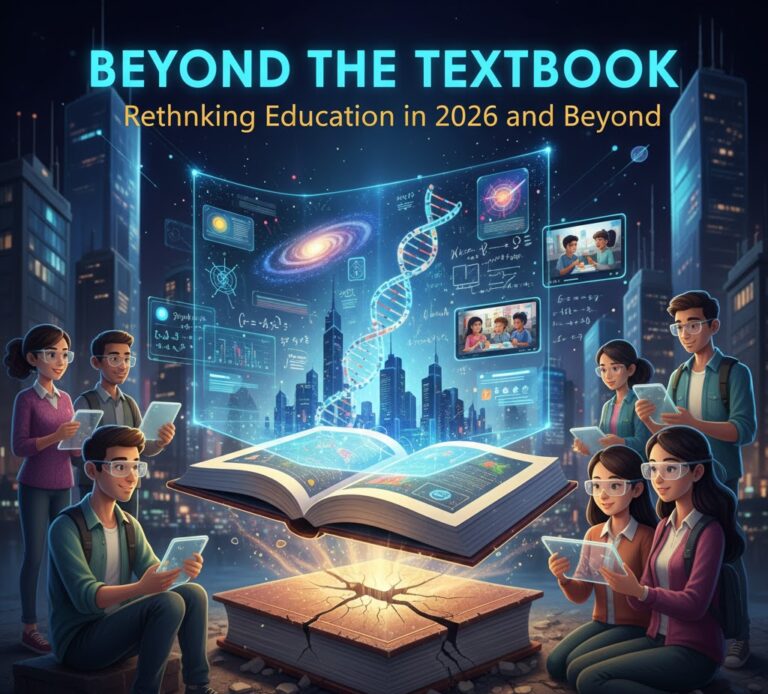
The education landscape in 2026 is vastly different from even a decade ago. Here are some key trends:
- Personalized Learning: Tailoring education to individual student needs and learning styles, leveraging AI and data analytics.
- Blended Learning: Combining online and offline learning experiences to create a more flexible and engaging learning environment.
- Focus on Skills: Prioritizing the development of practical skills, such as coding, data analysis, and design thinking, alongside traditional academic subjects.
- Emphasis on Soft Skills: Recognizing the importance of soft skills like communication, collaboration, and critical thinking.
- The Rise of AI in Education: From personalized learning platforms to AI-powered tutors, artificial intelligence is transforming how students learn.
Consider the need to learn how to manage the deluge of information. Complifest’s guide on Conquering Information Overload is a perfect example of what learners need in the 2026 landscape.
The Future Outlook: How Learning and Education Will Evolve
The future of learning is exciting and full of possibilities. Here’s a glimpse of what’s to come:
- Microlearning: Learning in small, digestible chunks, tailored to specific needs and interests.
- Gamification: Using game-like elements to make learning more engaging and fun.
- Virtual and Augmented Reality: Creating immersive learning experiences that bring concepts to life.
- Emphasis on Creativity and Innovation: Fostering a culture of creativity, experimentation, and problem-solving.
- Global Collaboration: Connecting learners from around the world to share ideas and perspectives.
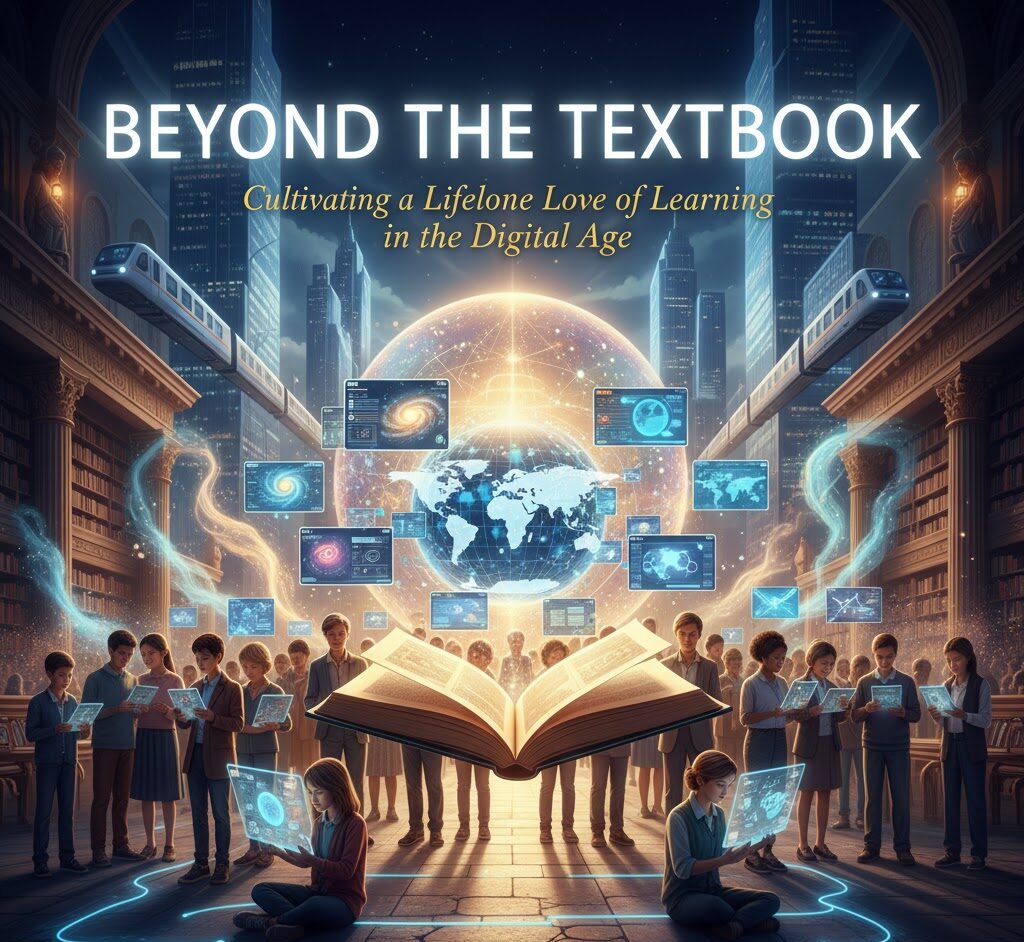
Learning will become more flexible, personalized, and accessible than ever before. It will move beyond the confines of the classroom and become a lifelong pursuit, integrated into every aspect of our lives. The goal will be not just to accumulate knowledge, but to cultivate a love of learning that fuels personal growth, professional success, and a deeper understanding of the world around us. In the future, the emphasis will shift from “what to learn” to “how to learn” and “why to learn.” The most successful individuals will be those who embrace change, are willing to learn continuously, and are able to adapt to new challenges.
Frequently Asked Questions (FAQs)
Here are some of the most common questions about learning and education, answered:
Q: How can I help my child develop a love of learning?
A: Encourage curiosity, provide opportunities for exploration, and make learning fun. Focus on the process of learning, not just the grades. Read together, visit museums, and explore the world around you. Most importantly, model a love of learning yourself.
Q: Is it better to focus on grades or understanding?
A: Understanding is the ultimate goal. Grades are a byproduct of learning, but they shouldn’t be the primary focus. Encourage your child to ask questions, explore their interests, and strive for genuine understanding.
Q: How can I improve my own learning skills?
A: Be curious, ask questions, and embrace challenges. Experiment with different learning methods, such as active recall, spaced repetition, and teaching others. Don’t be afraid to make mistakes – they are opportunities for growth.
Q: What are the benefits of lifelong learning?
A: Lifelong learning keeps your mind active, opens up new opportunities, and helps you adapt to change. It can improve your career prospects, enhance your relationships, and lead to a more fulfilling life.
Q: How can I help my child deal with academic stress?
A: Help them develop healthy coping mechanisms, such as exercise, mindfulness, and social interaction. Encourage them to talk about their feelings and provide a supportive environment. Prioritize their well-being and remind them that their worth isn’t determined by their grades.
Q: Are online courses a good way to learn?
A: Yes, online courses can be a very effective way to learn, provided the platform and content are high quality. They offer flexibility, access to a wide range of subjects, and opportunities to learn from experts around the world. However, it’s important to be disciplined and self-motivated, as online learning requires a different approach than traditional classroom settings.
Q: How can I find the right career path?
A: Explore your interests, identify your strengths, and consider what aligns with your values. Seek guidance from career counselors, mentors, and professionals in fields you’re interested in. Gain relevant experience through internships, volunteer work, or part-time jobs. The Complifest site provides additional guidance and resources on career and life choices.
Q: What is the most important skill for the future?
A: The ability to learn and adapt is arguably the most important skill for the future. The world is changing rapidly, and the ability to acquire new knowledge, unlearn outdated information, and adapt to new challenges will be essential for success in any field.