How Learning Truly Happens
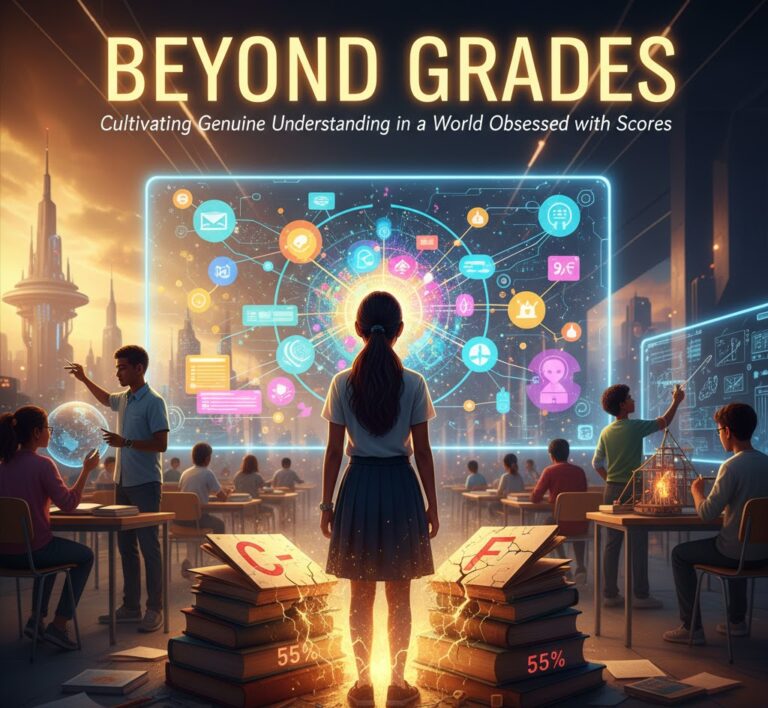
I remember one of my brightest students, let’s call her Priya. Sharp as a tack, she could recall facts and figures with astonishing speed. During exams, she’d fly through the papers, leaving her peers in a flurry. Yet, when we moved to more applied topics, where understanding the *why* behind a concept was crucial, Priya would falter. She knew *what* the formula was, but not *why* it worked, or *how* to adapt it to a slightly different problem. This wasn’t a case of a lack of intelligence; it was a classic example of rote learning versus true conceptual understanding.
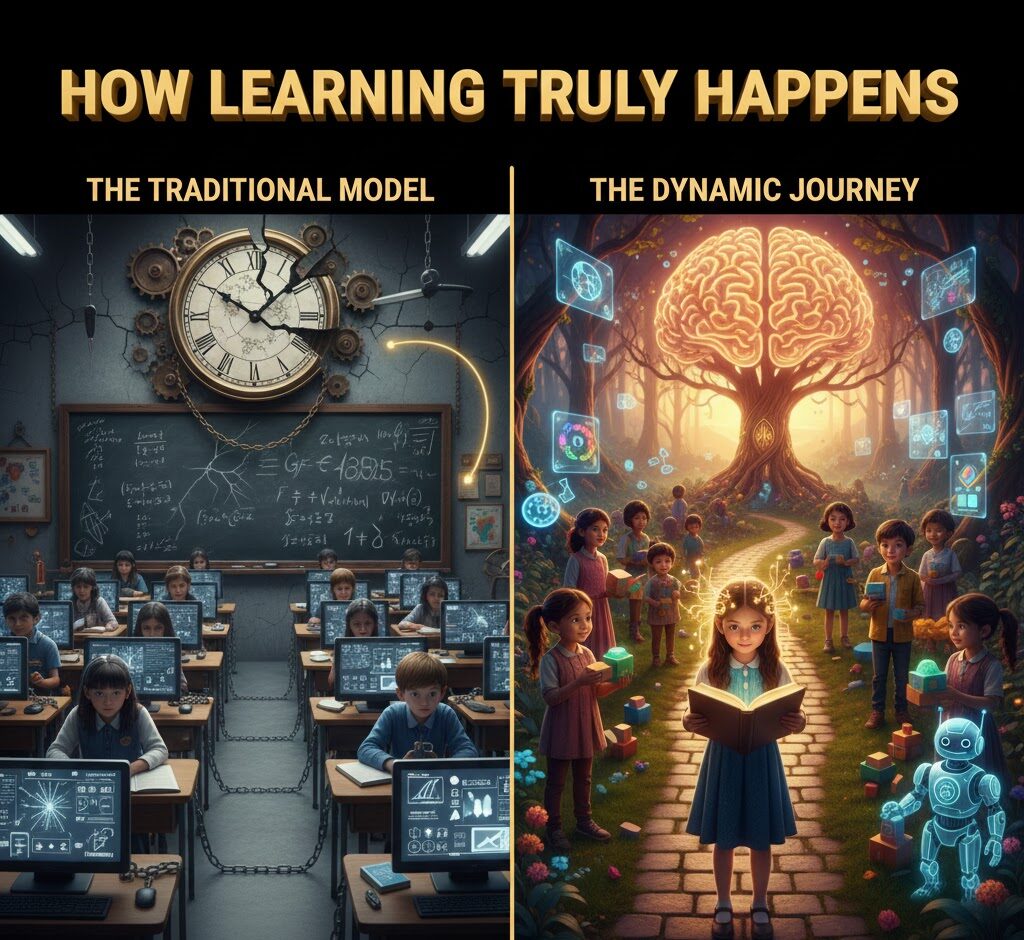
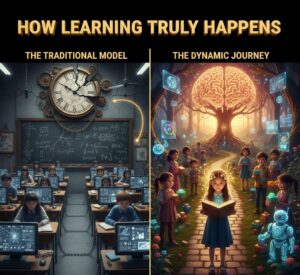 As educators, mentors, and even as lifelong learners ourselves, we’ve all encountered this dichotomy. The education system, often driven by the need for standardized testing and quantifiable results, can inadvertently promote rote memorization over deep, meaningful comprehension. While memorizing facts has its place—especially in the foundational stages of learning—relying solely on it is like building a house on sand. It might look sturdy initially, but it’s vulnerable to the slightest tremor.
At its heart, learning is about making connections. It’s about building a robust network of knowledge in our minds, where new information is linked to existing understanding. Think of it like a spiderweb: each new piece of information is a new strand, and the stronger the connections to existing strands, the more resilient and comprehensive the web becomes. Rote learning, on the other hand, creates isolated points, disconnected and easily lost.
When we learn conceptually, we engage different parts of our brain. We’re not just storing information; we’re analyzing, synthesizing, and evaluating it. This active engagement leads to better retention, deeper understanding, and the ability to apply knowledge in novel situations. It’s the difference between knowing the definition of ‘gravity’ and understanding why an apple falls from a tree, why planets orbit the sun, and how we can harness gravitational forces.
One of the key aspects of conceptual learning is metacognition—thinking about one’s own thinking. When students are encouraged to reflect on *how* they learned something, *why* a particular method worked, or *where* they struggled, they develop a more profound understanding of their own learning process. This self-awareness is a superpower for any learner, enabling them to adapt and improve over time.
Strengths and Flaws of Current Education Approaches
Our current education systems, in many parts of the world, are often a mixed bag. On one hand, they provide a structured pathway for learning, ensuring a baseline level of knowledge for a vast number of students. They offer a sense of order and predictability, which can be comforting for both learners and parents. Standardized curricula and assessments, while often criticized, do allow for comparisons and identify broad trends in student achievement. For example, many students in India still rely heavily on rote memorization, which can be effective for certain types of exams.
However, the flaws are significant and increasingly apparent. The relentless pressure to perform well on standardized tests often forces a focus on memorization over understanding. Teachers, under immense pressure to cover syllabi and achieve good results, may resort to teaching to the test, which heavily favors rote learning. This can stifle creativity, critical thinking, and genuine curiosity. As a result, many students graduate with degrees but lack the practical skills and deep understanding needed to navigate the complexities of the modern world. The education technology sector is rapidly evolving, with AI and adaptive learning platforms offering new ways to personalize instruction, but the core challenge of fostering conceptual understanding remains.
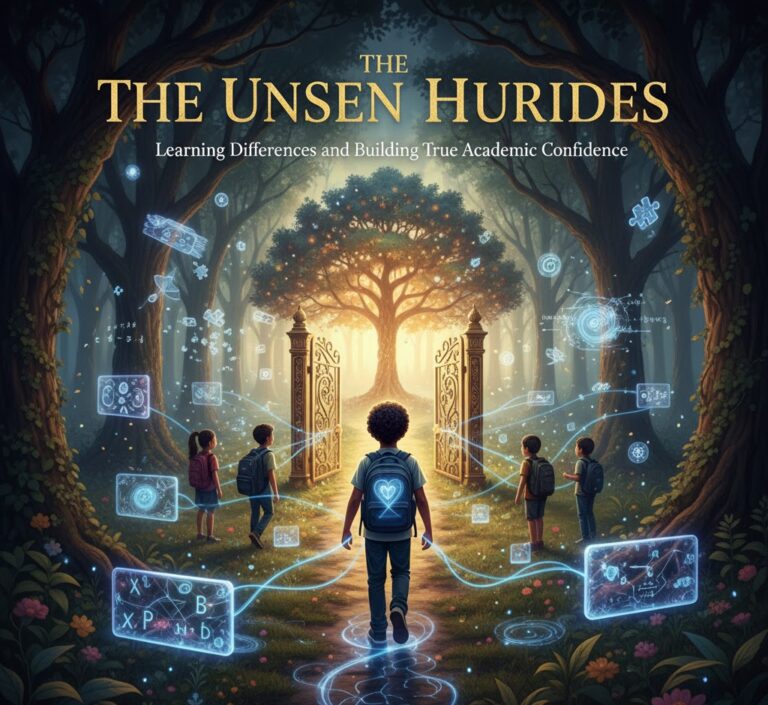
Furthermore, the one-size-fits-all approach rarely works for diverse learners. Students have different learning styles—visual, auditory, kinesthetic, reading/writing—and a system that rigidly adheres to one method will inevitably leave many behind. Strategies like differentiated instruction, culturally responsive teaching, and universal design for learning are crucial for accommodating these diverse needs.
Common Mistakes Made by Students, Parents, and Institutions
It’s easy to point fingers, but the reality is that mistakes are made at all levels. Students, often influenced by the system, fall into the trap of prioritizing marks over learning. They cram for exams, memorizing just enough to pass, without truly internalizing the material. This short-term focus can lead to a fragile knowledge base that quickly erodes after the exam is over. They might also believe that intelligence is fixed, or that making mistakes is a sign of failure, rather than a crucial part of the learning process.
Parents, driven by a desire for their child’s success, often equate good grades with good learning. The immense pressure to see their child excel, often fueled by societal expectations and peer comparison, can lead them to focus solely on marks and ranks. They might overlook the importance of a child’s genuine understanding and passion for a subject, inadvertently reinforcing the value of rote learning. The emphasis on degrees over demonstrable skills is another area where parental guidance can sometimes miss the mark, as employers increasingly value practical abilities.
Institutions, as mentioned, often perpetuate the cycle by designing curricula and assessment methods that favor memorization. Limited resources, large class sizes, and a lack of adequate teacher training in modern pedagogical approaches can also contribute. The push for technological integration without a clear pedagogical strategy can also be a pitfall. Technology is a powerful tool, but it needs to serve the goal of deeper learning, not just be an end in itself.
Busting Popular Education Myths
Let’s address some of the pervasive myths that cloud our understanding of education:
- Myth 1: High marks equate to high intelligence and success. This is perhaps the most damaging myth. While good grades can be an indicator of diligent study, they don’t always reflect true understanding or problem-solving ability. Many individuals with stellar academic records struggle in real-world scenarios, while others with average grades have become highly successful innovators and leaders. The focus should be on developing skills and understanding, not just accumulating a score.
- Myth 2: Intelligence is fixed; you’re either smart or you’re not. This is a fixed mindset that severely limits potential. Intelligence is fluid and can be developed through effort, effective strategies, and a growth mindset. Believing you can improve is the first step to actually improving.
- Myth 3: Rote learning is efficient for exams. While rote memorization might help recall specific facts for objective tests, it’s a fragile strategy. When faced with application-based questions or novel problems, rote learners often falter. Conceptual understanding, though requiring more initial effort, leads to more robust and transferable knowledge.
- Myth 4: Studying longer always means learning better. It’s not the quantity of study time, but the quality and the strategy used. Intense cramming sessions or marathon study periods are often less effective than spaced, focused learning sessions. Active recall and consistent practice are far more impactful than simply logging hours.
- Myth 5: Degrees are all that matter for a successful career. While degrees are still important, especially in certain fields, employers increasingly value practical skills and demonstrable abilities over a piece of paper. Lifelong learning and continuous skill development are crucial for career adaptability and growth.
Long-Term Impact on Careers, Mindset, and Personal Growth
The kind of learning we engage in has profound implications for our future. A foundation built on conceptual understanding equips individuals with adaptability, critical thinking, and problem-solving skills—traits highly valued in today’s rapidly changing job market. This is the essence of lifelong learning; it’s not just about acquiring new skills, but about developing the capacity to learn and adapt continuously.
Individuals who cultivate conceptual understanding tend to have a growth mindset. They see challenges as opportunities to learn, rather than insurmountable obstacles. This resilience and willingness to embrace new experiences are invaluable for personal growth, career advancement, and overall well-being. They are better equipped to navigate uncertainty, pivot careers when needed, and contribute meaningfully to their communities.
Conversely, a reliance on rote memorization can lead to a brittle knowledge base, a fear of failure, and a passive approach to learning. This can manifest as a lack of confidence in unfamiliar situations, difficulty adapting to new technologies or methodologies, and a general feeling of being stuck. The digital transformation and the rise of AI are reshaping industries at an unprecedented pace, making adaptability and continuous learning non-negotiable.
Modern Relevance in 2025-2026
As we navigate 2025 and 2026, the educational landscape continues to be shaped by powerful forces. The integration of Artificial Intelligence (AI) in education presents both immense opportunities and significant challenges. AI-powered tools can personalize learning experiences, provide adaptive feedback, and automate administrative tasks, freeing up educators to focus on deeper engagement. However, there’s a crucial need to ensure AI complements, rather than replaces, the human element of teaching, and that it fosters critical thinking rather than mere information retrieval.
The pandemic also accelerated the adoption of blended and hybrid learning models, which are likely here to stay. These models offer flexibility but require careful design to ensure equitable access and effective engagement for all learners. Furthermore, the growing emphasis on skills over degrees is becoming even more pronounced. Employers are actively seeking candidates with demonstrable practical abilities, critical thinking, and adaptability—skills that are best nurtured through conceptual learning.
The role of parents in education remains vital, with a growing understanding of the need for collaborative partnerships between home and school. Open communication, shared goals, and resources that empower parents to support their children’s learning journey are key.
Future Outlook: How Learning and Education Will Evolve
The future of education will undoubtedly be more personalized, technology-integrated, and skills-focused. We can expect to see:
- Hyper-Personalized Learning Paths: AI and learning analytics will enable highly individualized learning journeys, adapting content, pace, and methodology to each student’s unique needs and preferences.
- Immersive and Experiential Learning: Virtual Reality (VR) and Augmented Reality (AR) will create engaging, hands-on learning experiences that bridge the gap between theoretical knowledge and practical application.
- Focus on “Human” Skills: As AI handles more routine tasks, the demand for critical thinking, creativity, emotional intelligence, collaboration, and adaptability will surge. Education systems will need to prioritize the development of these uniquely human capabilities.
- Micro-credentials and Lifelong Learning Integration: Formal education will increasingly blend with continuous, flexible learning opportunities through micro-credentials and digital badges, allowing individuals to upskill and reskill throughout their careers.
- Redefined Role of Educators: Teachers will transition from being disseminators of information to facilitators, mentors, and guides, helping students navigate complex learning environments and develop essential life skills. Their role in fostering curiosity and critical thinking will be more important than ever.
- Emphasis on Equity and Accessibility: Efforts will continue to bridge the digital divide and ensure that quality education is accessible to all, regardless of socioeconomic background or geographical location.
FAQs About Conceptual Understanding
- Q1: How can I tell if I’m just memorizing or truly understanding a concept?
- If you can explain a concept in your own words, apply it to different situations, or teach it to someone else, you likely have a conceptual understanding. If you can only recite definitions or formulas without much context, it’s probably rote memorization.
- Q2: Is rote learning ever useful?
- Yes, rote learning is useful for memorizing foundational facts, formulas, dates, or vocabulary that form the building blocks for deeper understanding. For example, learning multiplication tables or basic grammar rules can be rote-based initially. However, it should be a stepping stone, not the final destination.
- Q3: My child focuses too much on marks. How can I encourage them to focus on understanding?
- Shift the conversation from grades to the learning process. Ask your child to explain what they learned, how they arrived at an answer, or what they found most interesting. Celebrate effort and curiosity, not just scores. You can also use resources like personal knowledge management systems to help organize their learning and encourage deeper engagement.
- Q4: How can technology help foster conceptual understanding?
- Technology can provide interactive simulations, adaptive learning platforms that adjust to a student’s pace, and access to diverse resources that explore concepts from multiple angles. Tools that encourage exploration and experimentation, rather than just information delivery, are most effective.
- Q5: Does focusing on skills over degrees mean formal education is becoming obsolete?
- Not at all. Formal education provides a structured environment, foundational knowledge, and credentials. However, the *emphasis* is shifting. Degrees are increasingly valued when paired with demonstrable skills, and lifelong learning through various avenues is becoming essential for career relevance.
- Q6: What’s the difference between conceptual learning and lifelong learning?
- Conceptual learning is about *how* you learn a specific topic—focusing on understanding the ‘why’ and ‘how’. Lifelong learning is about the *mindset* and *practice* of continuously acquiring knowledge and skills throughout your life, which often relies heavily on conceptual understanding.
- Q7: How can teachers best accommodate diverse learning styles in a classroom?
- By employing strategies like differentiated instruction, Universal Design for Learning (UDL), and incorporating a variety of teaching methods (visual aids, hands-on activities, discussions, group work) to cater to different preferences.
- Q8: I’m an adult learner. How can I ensure I’m developing conceptual understanding rather than just memorizing for a new skill?
- Actively question the material: ask ‘why’ and ‘how’. Try to connect new information to what you already know. Look for practical applications. Teach the concept to someone else or explain it out loud. Reflect on your learning process. Engage with resources that encourage critical thinking and problem-solving.