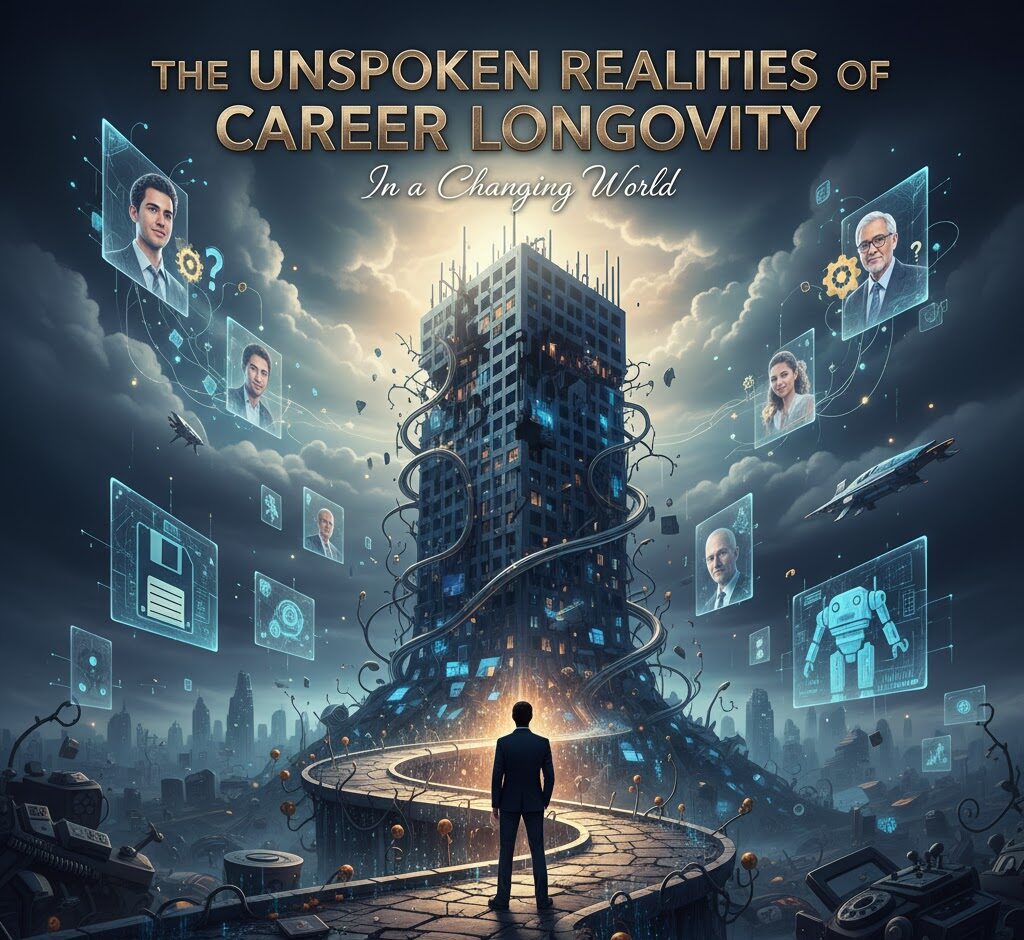
The Unspoken Realities of Career Longevity in a Changing World
So, you’ve put in the years. You’ve climbed the ladder (or at least, you thought you were). You’ve got the experience, the certifications, maybe even a fancy title. But something feel
off. It’s that nagging feeling that you’re not quite where you thought you’d be. Or maybe you’re there, but you’re constantly looking over your shoulder, wondering when the rug will be pulled out from under you. Welcome to the unspoken realities of career longevity. It’s not just about showing up; it’s about playing a game that few people truly understand.
The Illusion of “Safe” Careers
Let’s be real: the idea of a “safe” career is largely a myth. We’ve all been sold the dream – work hard, be loyal, and your company will take care of you. But in today’s world, that script is outdated. Companies restructure, industries shift, and the ground beneath your feet can change without warning. I’ve seen it firsthand,
countless times. People with 20+ years of experience, seemingly secure in their roles, suddenly find themselves on the outside looking in. The problem isn’t always bad performance. It’s often that the skills they’ve honed for decades are no longer as valuable, or that the company has decided to “streamline” and your role is no longer needed.
 This is where most professionals get stuck. They believe in the old rules. They keep putting in the hours, hoping that their dedication will be enough. And sometimes, it is… for a while. But the smart professionals, the ones who thrive long-term, understand that career longevity isn’t about being a good employee. It’s about becoming indispensable.
The Indispensable Professional: Beyond the Job Description
What nobody tells you early in your career is that your job description is a starting point, not a ceiling. The indispensable professional is someone who:
- Adds value beyond their core duties: They’re not just doing what’s expected; they’re anticipating needs, solving problems proactively, and contributing to the bigger picture.
- Constantly upgrades their skillset: They’re not relying on what they learned five or ten years ago. They’re learning new technologies, developing new skills, and staying ahead of the curve.
- Builds a powerful network: They’re not just networking for a job; they’re building relationships, fostering connections, and becoming a resource for others.
- Understands the business: They know how their role contributes to the bottom line. They understand the company’s goals, the challenges it faces, and the opportunities it can seize.
- Is adaptable and resilient: They embrace change, learn from setbacks, and bounce back quickly. They’re not afraid to step outside their comfort zone and take on new challenges.
It’s not enough to be good at your job. You have to be valuable. You have to be a problem solver, a connector, a forward-thinker. You have to be someone that the company can’t afford to lose.
The Cost of Career Stagnation
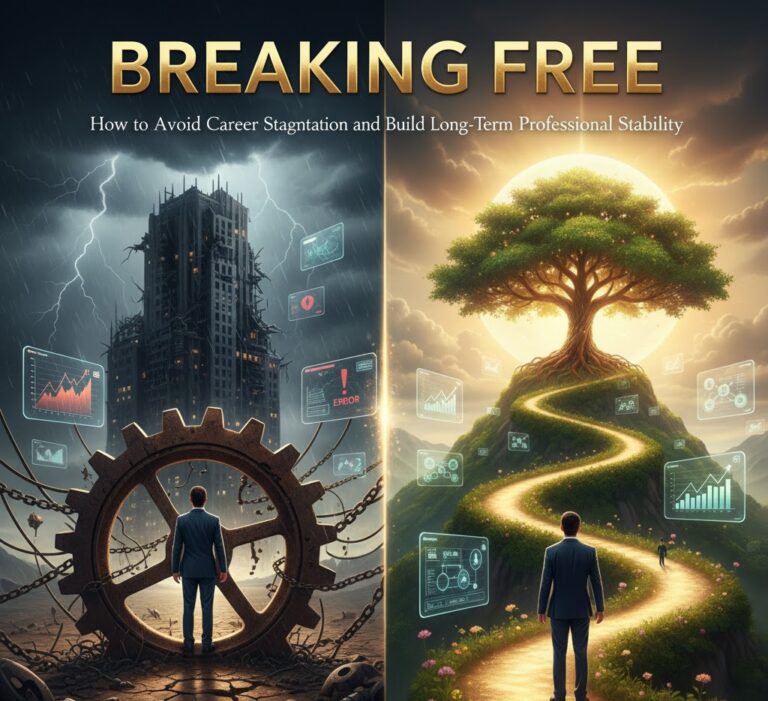
At some point, every professional realizes that their career isn’t just a job; it’s an investment. And like any investment, it requires careful management. Career stagnation is the enemy of longevity. It’s not just about missing out on promotions or raises; it’s about a slow, insidious erosion of your value and your earning potential.
Consider this scenario: You’ve been in the same role for five years, doing the same tasks, using the same skills. You’re comfortable, maybe even a little bored. Your salary has increased modestly, but it hasn’t kept pace with inflation, let alone with your market value. You might be making enough to get by, but you’re not building wealth. Your skillset isn’t evolving, so it’s slowly becoming obsolete. And your network is shrinking, as colleagues move on and your connections fade.
What happens when the company decides to downsize, restructure, or pivot in a new direction? You’re suddenly competing with younger, more tech-savvy, and possibly cheaper candidates. Your resume looks stale. Your experience, while vast, may not be relevant. The longer you stagnate, the harder it becomes to catch up.
Breaking Free from the Comfort Zone
The biggest hurdle to career longevity is often your own comfort zone. It’s tempting to stay where you are, doing what you know. It’s safe, predictable, and requires less effort. But comfort is the enemy of growth. Here’s how to break free:
- Self-Assessment: Honestly evaluate your skills, strengths, and weaknesses. What are you good at? What do you enjoy? What skills are in demand in your industry? Start a personal knowledge management system to track your skills and learning.
- Identify Skill Gaps: What skills do you need to acquire to stay relevant? What new technologies or trends are emerging in your field?
- Create a Learning Plan: Don’t just “think” about learning; make a plan. Set specific goals, identify resources, and schedule time for learning.
- Network Strategically: Don’t just collect business cards. Build relationships with people who can help you learn, grow, and find new opportunities.
- Seek Out New Challenges: Volunteer for new projects, take on additional responsibilities, and step outside your comfort zone.
- Embrace Failure: Not every initiative will succeed. Learn from your mistakes and use them as opportunities to grow.
- Seek Mentorship: Find a mentor who can offer guidance, support, and a fresh perspective on your career.
The Power of the Side Hustle (and When to Use It)
In today’s ever-shifting landscape, the side hustle isn’t just a way to earn extra cash; it’s a critical tool for career longevity. It allows you to:
- Test new skills and interests: Explore different areas and see if they align with your career goals.
- Build a diverse skillset: Become more well-rounded and versatile, making you more attractive to potential employers.
- Generate additional income streams: Reduce your reliance on a single employer and provide financial security.
- Expand your network: Connect with new people and build relationships in different industries.
- Demonstrate initiative and entrepreneurial spirit: Show that you’re proactive and willing to take risks.
But be strategic. Don’t start a side hustle just for the sake of it. Make sure it aligns with your career goals and provides valuable experience. Think of it as a low-risk way to experiment, learn, and build your personal brand. Just be mindful of your employment contract, and avoid conflicts of interest.
Common Career Mistakes (and How to Avoid Them)
Everyone makes mistakes, but some mistakes are more costly than others. Here are some common career pitfalls and how to steer clear:
- Failing to adapt: The world is changing rapidly, and if you don’t change with it, you’ll be left behind. Continuous learning is non-negotiable.
- Neglecting your network: Your network is your safety net. Cultivate and nurture your relationships, even when you don’t need a job.
- Becoming complacent: Don’t rest on your laurels. Keep pushing yourself to learn, grow, and take on new challenges.
- Ignoring your personal brand: In today’s world, you are your own brand. Manage your online presence, build your reputation, and tell your story.
- Burning bridges: Treat everyone with respect, even those you disagree with. You never know when you’ll need them.
- Failing to negotiate: Always negotiate your salary and benefits. Know your worth and advocate for yourself.
- Staying too long in a toxic environment: Recognize the signs of a toxic workplace and get out before it destroys your career. Your mental and physical health is more important than any job.
The Future of Work: What’s Coming?
The future of work is already here. Here are some trends to watch:
- The rise of AI: AI will automate many routine tasks, so focus on developing skills that require human intelligence, creativity, and emotional intelligence.
- The gig economy: Freelancing and contract work will continue to grow, offering more flexibility and autonomy.
- Remote work: Remote work is here to stay, but it will require new skills in communication, collaboration, and self-management.
- Lifelong learning: The pace of change will accelerate, so you’ll need to continuously learn and adapt throughout your career.
- Focus on soft skills: Skills like communication, problem-solving, and emotional intelligence will become increasingly valuable.
The best way to prepare for the future is to embrace change, be proactive, and never stop learning. Build a career that can adapt and thrive in any environment.
The Long Game: Building a Sustainable Career
Career longevity isn’t about luck. It’s about strategy, discipline, and a willingness to adapt. It’s about building a career that is resilient to change, valuable to others, and fulfilling for you.
It’s a long game. It requires patience, persistence, and a commitment to lifelong learning. It means taking calculated risks, building strong relationships, and always striving to improve. It’s not always easy, but the rewards are well worth the effort. It’s about building a career, not just a job, that will carry you through the ups and downs of life and provide you with lasting success.
FAQ: Your Burning Questions Answered
Here are some of the most common questions professionals have about career longevity:
Q: How can I identify skills that will be valuable in the future?
A: Research industry trends, talk to mentors, and analyze job postings for the skills that are in demand. Focus on skills that can’t be easily automated.
Q: How do I build a strong professional network?
A: Attend industry events, join professional organizations, connect with people on LinkedIn, and build genuine relationships. Follow up with people, offer help, and be a valuable resource.
Q: How do I negotiate a higher salary?
A: Research industry standards, know your worth, and practice your negotiation skills. Be prepared to justify your requests with data and examples of your accomplishments.
Q: What should I do if my career has stalled?
A: Assess your skills, identify your weaknesses, and create a plan to upskill or reskill. Consider seeking a mentor, networking with others, and exploring new opportunities.
Q: How do I deal with a toxic work environment?
A: Document everything, set boundaries, and prioritize your well-being. Consider talking to HR, but be prepared to leave if the situation doesn’t improve.
Q: What are the best ways to stay relevant in my field?
A: Continuously learn, read industry publications, attend conferences, and network with others. Stay curious and embrace new challenges.
Q: How important is a personal brand?
A: In today’s world, a personal brand is essential. Manage your online presence, build your reputation, and tell your story. Complifest can help.
Q: Is it ever too late to change careers?
A: Absolutely not. It’s never too late to learn new skills, explore new interests, and pursue a different career path. Your experience is valuable, and it can be applied to many different fields. The best time to start is now.