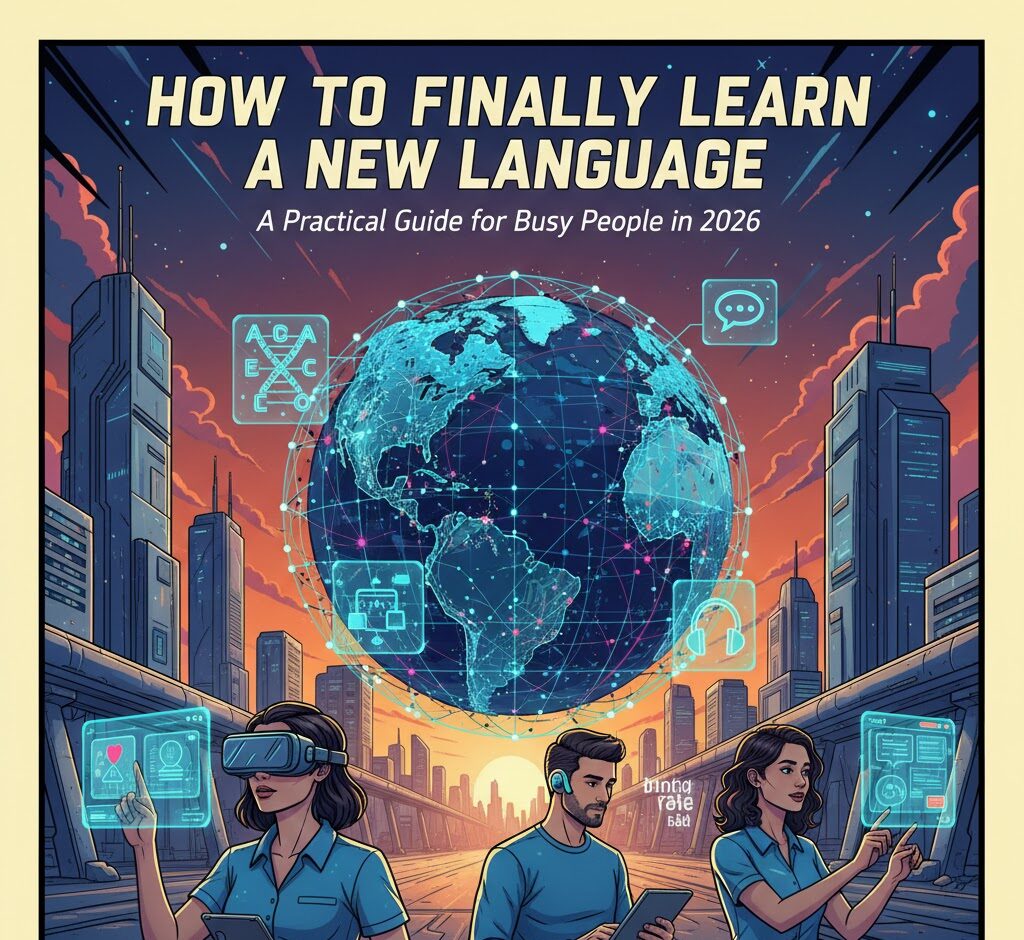
How to Finally Learn a New Language: A Practical Guide for Busy People in 2026
Ever feel that itch to learn a new language? Maybe you’ve always dreamt of fluent Spanish for your travels, or perhaps you’re eyeing Mandarin for future career opportunities. The problem is, life gets in the way. Work, family, and a constant stream of other commitments make it seem impossible to find the time, energy, and, frankly, the focus to learn something new. I get it. I’ve been there. After trying and failing (multiple times!) to learn languages like French and Japanese, I finally cracked the code. This isn’t a guide promising instant fluency. This is a practical, step-by-step approach designed for real people with real lives. It’s about making language learning sustainable and enjoyable, even when you’re juggling a million things.
Why Learning a New Language Matters More Than Ever
Let’s be real. In 2026, the world feels smaller than ever, and globalization is in full swing. Being able to communicate in more than one language is no longer a luxury; it’s becoming a necessity. Here’s why you should consider learning a new language:
- Boost Your Career: Being bilingual or multilingual opens doors to international job opportunities and can significantly increase your earning potential. Companies are actively seeking employees who can communicate with global clients and teams.
- Expand Your Horizons: Travel becomes richer when you can truly connect with the locals. You’ll gain a deeper understanding of different cultures, histories, and perspectives.
- Sharpen Your Mind: Learning a new language is a fantastic mental workout. It improves memory, problem-solving skills, and even delays the onset of cognitive decline.
- Connect with People: Language is the key to unlocking meaningful relationships. Imagine being able to chat with people from all over the world, understand their stories, and share your own.
The Biggest Mistakes People Make When Learning a Language (And How to Avoid Them)
Before we dive into the steps, let’s address the common pitfalls that sabotage most language learners. Avoiding these mistakes will give you a significant advantage from the start.
- Trying to Learn Everything at Once: This is a classic. You buy the huge textbook, download every app, and try to cram vocabulary, grammar, and pronunciation all at once. It’s overwhelming and leads to burnout.
- Focusing Solely on Grammar Rules: Grammar is essential, but it shouldn’t be the only thing you focus on. You need to be able to *use* the language. Too much grammar, and you’ll get stuck in analysis paralysis.
- Not Practicing Speaking Early On: Many people are afraid to speak because they’re worried about making mistakes. But mistakes are part of the process! The sooner you start speaking, the faster you’ll improve.
- Giving Up Too Soon: Language learning takes time and consistency. Expect plateaus and setbacks. The key is to keep going.
- Not Making it Fun: If you dread your study sessions, you’re not going to stick with it. Find ways to make learning enjoyable, whether it’s through music, movies, or video games.
Step-by-Step Guide to Learning a New Language in 2026
Now, let’s get practical. Here’s a step-by-step guide based on what’s worked for me and countless others. Remember, this isn’t a race. It’s a marathon. Consistency is key.
Step 1: Define Your “Why” and Set Realistic Goals
Why do you want to learn this language? Is it for travel, career, or personal enrichment? Your “why” will be your motivation when things get tough. Write it down. Put it somewhere you can see it every day. Then, set realistic goals. Instead of aiming for fluency in six months, start with smaller, achievable targets. For example:
- Month 1: Learn basic greetings and introductions, and be able to ask basic questions.
- Month 3: Hold a simple conversation about your hobbies and interests.
- Month 6: Read a children’s book or watch a show with subtitles.
Breaking down your goals into smaller chunks makes the process less daunting and provides a sense of accomplishment along the way. Celebrate each milestone!
Step 2: Choose Your Language and Learning Resources
Choose a language that genuinely interests you. If you’re passionate about it, you’ll be more motivated to stick with it. Then, research and select the right resources. There’s an overwhelming amount of information out there, so it’s easy to get lost. Here’s a streamlined approach:
- Language Learning Apps: Apps like Duolingo, Memrise, and Babbel are great for beginners. They offer structured lessons, gamified learning, and can be used on the go. However, don’t rely on them exclusively.
- Online Courses: Platforms like Coursera, edX, and Udemy offer comprehensive language courses taught by experienced instructors. These are often more structured and provide a deeper understanding of the language.
- Textbooks and Workbooks: A good textbook provides a solid foundation in grammar, vocabulary, and sentence structure. Workbooks offer practice exercises to reinforce what you’re learning.
- Language Exchange Partners: Find a native speaker of your target language who wants to learn your native language. You can practice speaking and learn from each other. Websites like HelloTalk and Tandem are great for this.
- Immersion Resources: Watch movies and TV shows in your target language (with subtitles at first), listen to music, and read books or articles. This helps you immerse yourself in the language and culture.
My recommendation: Start with a language learning app and supplement it with a textbook and a language exchange partner. As you progress, add more immersion resources. Don’t feel you need to spend a fortune. Free resources are often just as effective.
Step 3: Build a Consistent Study Routine
This is where most people stumble. Consistency is the single most important factor in language learning success. Even if you can only spare 15-30 minutes a day, make it a non-negotiable part of your schedule. Here’s how to create a sustainable routine:
- Schedule Your Study Time: Treat your language learning time like any other important appointment. Put it in your calendar and set reminders.
- Find a Dedicated Study Space: Choose a quiet, comfortable place where you can focus without distractions.
- Vary Your Activities: Don’t just do the same thing every day. Mix up your activities to keep things interesting. One day, focus on vocabulary; the next, work on grammar; and the day after, practice speaking.
- Track Your Progress: Keep a journal or use a progress tracker to monitor your learning. Seeing your progress will motivate you to keep going.
- Review Regularly: Review what you’ve learned to reinforce your knowledge. Spaced repetition is a powerful technique for memorization.
Real-world tip: If you’re a busy person, try incorporating language learning into your commute or downtime. Listen to podcasts or audio lessons while you’re driving or exercising. It’s all about finding small pockets of time.
Step 4: Focus on Speaking from Day One
I can’t stress this enough. Don’t wait until you “feel ready” to start speaking. The longer you wait, the more daunting it will seem. Start speaking from day one, even if it’s just repeating basic phrases. Here’s how:
- Use the Language as Much as Possible: Talk to yourself, your pets, or your reflection. The more you use the language, the more comfortable you’ll become.
- Find a Language Partner: A language exchange partner is invaluable for practicing speaking and getting feedback.
- Join a Conversation Group: Search for local or online conversation groups where you can practice speaking with other learners and native speakers.
- Don’t Be Afraid to Make Mistakes: Everyone makes mistakes. Embrace them as a natural part of the learning process. The more mistakes you make, the more you’ll learn.
- Record Yourself Speaking: This helps you identify areas where you need to improve. Listen back and pay attention to your pronunciation, grammar, and fluency.
Step 5: Immerse Yourself in the Language and Culture
Immersing yourself in the language and culture is the fastest way to accelerate your learning. It’s about surrounding yourself with the language as much as possible. Here’s how:
- Watch Movies and TV Shows: Start with subtitles in your native language, then switch to subtitles in the target language, and finally, try watching without subtitles.
- Listen to Music: Listen to music in your target language. Pay attention to the lyrics and try to sing along.
- Read Books and Articles: Start with simple books or articles and gradually work your way up to more complex texts.
- Change Your Phone and Social Media Settings: Switch your phone and social media settings to your target language. This will expose you to the language in a natural way.
- Cook Authentic Food: Cooking dishes from the culture of the language you’re learning will help immerse you in the culture while you improve your language skills.
Pro tip: Follow people who speak the language on social media. This will give you exposure to everyday language and slang.
Step 6: Stay Motivated and Celebrate Your Successes
Language learning is a journey, not a destination. There will be ups and downs. Staying motivated is key to sticking with it. Here’s how to keep the momentum going:
- Remind Yourself of Your “Why”: When you feel discouraged, revisit your “why” and remember why you started learning in the first place.
- Track Your Progress: Celebrate your successes, no matter how small. Did you hold a conversation with a native speaker? Did you understand a song lyric? Acknowledge these achievements.
- Find a Language Learning Buddy: Having someone to share your journey with can provide support and motivation.
- Reward Yourself: Set small rewards for achieving your goals. Treat yourself to something you enjoy when you reach a milestone.
- Don’t Be Afraid to Take Breaks: It’s okay to take a break when you need it. Just make sure to get back on track.
Tools and Resources to Supercharge Your Language Learning
Here are some of the tools and resources I’ve found helpful:
- Language Learning Apps: (Duolingo, Memrise, Babbel) – Great for beginners to build a foundation.
- Online Courses: (Coursera, edX, Udemy) – Offer structured learning paths.
- Language Exchange Platforms: (HelloTalk, Tandem) – Essential for speaking practice.
- Pronunciation Tools: (Forvo) – Listen to native speakers pronounce words.
- Flashcard Apps: (Anki) – For spaced repetition and memorization.
- Dictionary Apps: (Google Translate, WordReference) – For looking up words and phrases.
- Streaming Services: (Netflix, Spotify, YouTube) – Excellent for immersion through TV shows, music, and podcasts.
The best tools are the ones you’ll actually use consistently. Experiment with different resources until you find what works best for you.
Common Mistakes to Avoid
We’ve touched on some of these, but let’s look at them again:
- Relying Solely on Apps: Apps are good for basics, but they can’t replace the depth of a structured course or the real-world practice of speaking with a native speaker.
- Ignoring Pronunciation: Good pronunciation makes your speech more understandable and can boost your confidence.
- Being Afraid to Make Mistakes: Mistakes are a sign of learning. Don’t let the fear of them hold you back.
- Giving Up Too Soon: Language learning is a marathon, not a sprint.
- Not Adapting to Your Learning Style: What works for one person might not work for another. Experiment to find the best methods for you.
Future-Proofing Your Language Learning in a Changing World
The world is constantly evolving, and so is language learning. Here are some tips to keep your skills relevant:
- Focus on Practical Communication: Prioritize speaking and understanding everyday conversations.
- Stay Up-to-Date with Modern Slang and Idioms: Language evolves, so keep up with new terms and phrases.
- Utilize AI Tools: AI is transforming language learning. Use tools like AI-powered language tutors and translation apps.
- Embrace Cultural Nuances: Language is intertwined with culture. Understand the cultural context to communicate more effectively.
- Consider Niche Languages: Languages like Mandarin are becoming increasingly valuable in the global job market. Think about what languages will be useful for your future career goals.
FAQs: Your Burning Language Learning Questions Answered
Here are some frequently asked questions about learning a new language:
- How long does it take to learn a language? It depends on the language, your native language, how much time you dedicate to studying, and your learning style. However, with consistent effort, you can achieve basic conversational fluency in around 6-12 months.
- What’s the best way to learn vocabulary? Use a combination of methods, including flashcards, spaced repetition, and learning words in context.
- Should I focus on grammar or vocabulary first? Start with basic grammar and a core vocabulary. Then, gradually build both simultaneously.
- What if I don’t have a language partner? There are plenty of online language exchange platforms like HelloTalk and Tandem. You can also find language partners through local meetups or language schools.
- How can I stay motivated? Set realistic goals, celebrate your successes, and find ways to make learning fun. Remind yourself of your “why”.
- Is it possible to learn a language by yourself? Absolutely! Self-study requires more discipline, but it is entirely possible with the right resources and a structured approach.
- What’s the best language to learn? The best language is the one that interests you the most. It’s easier to stay motivated when you’re passionate about the language.
- I’m busy, is it possible to learn a language? Yes! Even 15-30 minutes of study each day can make a big difference. Incorporate language learning into your daily routine.
Conclusion: The Rewards of a Multilingual Life
Learning a new language is a challenging but incredibly rewarding journey. It opens doors to new cultures, career opportunities, and personal growth. By following this practical guide, avoiding common mistakes, and staying consistent, you can finally achieve your language learning goals. Remember, it’s not about perfection; it’s about progress. Start today, and embrace the adventure. If you’re looking for a way to build a future-proof career, learning a language can be a great way to do that. Complifest can help provide the resources you need to get started.