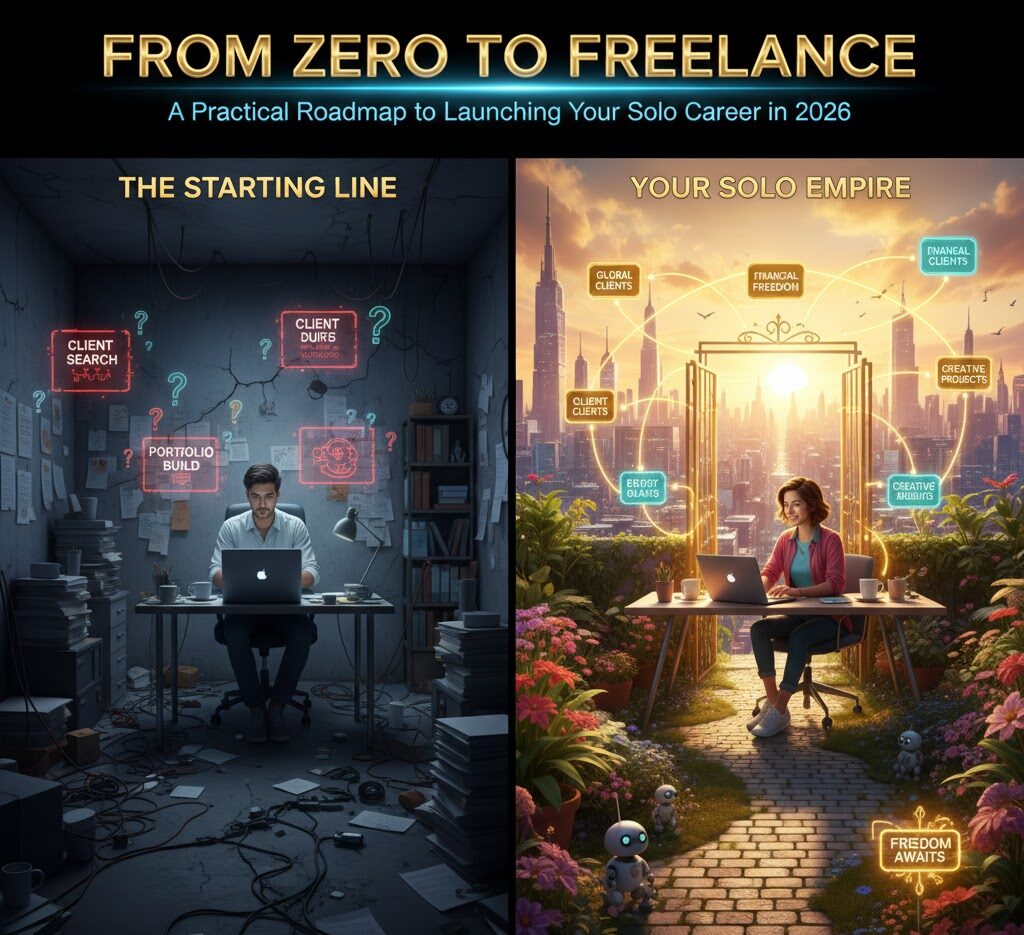
From Zero to Freelance: A Practical Roadmap to Launching Your Solo Career in 2026
So, you’re thinking about ditching the 9-to-5 grind and diving into the freelance world? Kudos to you! It’s a tempting proposition – setting your own hours, choosing your projects, and being your own boss. But let’s be real, it’s not all sunshine and rainbows. The freelance life can be exhilarating, challenging, and, at times, downright terrifying. But fear not, because I’m here to walk you through the entire process, from that initial spark of an idea to landing your first paying client and beyond. I’ve been there, made the mistakes, and learned the hard way, so you don’t have to. This guide is your no-fluff, step-by-step roadmap to building a thriving freelance career in 2026. Let’s get started!
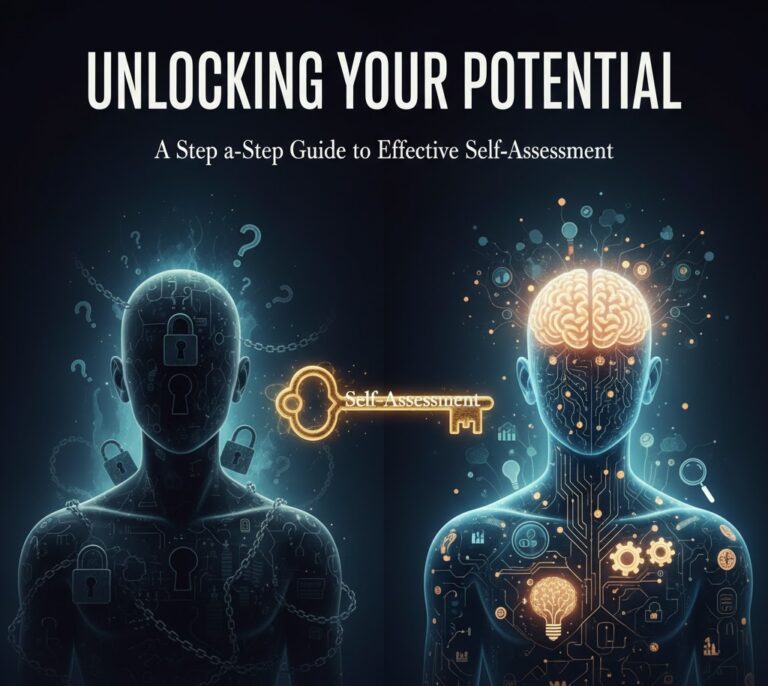
Phase 1: Self-Assessment and Niche Selection – Finding Your Freelance Sweet Spot
Before you even think about creating a website or crafting a killer LinkedIn profile, you need to get real with yourself. What are you actually good at? What do you enjoy doing? Because here’s the secret: the most successful freelancers are the ones who combine their skills with their passion. Trust me, slogging through projects you hate will lead to burnout faster than you can say “deadline.”
Step 1: Inventory Your Skills (Don’t Sell Yourself Short!)
Grab a pen and paper (or open up a Google Doc – your choice!). The first step is to create a comprehensive list of your skills. I mean *everything*. Don’t just stick to the obvious ones like “writing” or “graphic design.” Think outside the box. Do you have a knack for organization? Are you a whiz at social media? Are you a master of spreadsheets? Every skill, no matter how seemingly insignificant, can be valuable in the freelance world. Consider the following:
- Hard Skills: These are the technical skills you’ve acquired through training, education, or experience. Examples include:
- Coding languages (Python, JavaScript, etc.)
- Software proficiency (Adobe Creative Suite, Microsoft Office, etc.)
- Data analysis
- SEO optimization
- Video editing
- Soft Skills: These are your interpersonal and personal attributes. These are *crucial*.
- Communication (written and verbal)
- Time management
- Problem-solving
- Adaptability
- Teamwork (even as a solo freelancer, you’ll work with clients and sometimes other freelancers)
Step 2: Identify Your Passions (What Makes You Tick?)
Now, let’s inject some enjoyment into the equation. What do you genuinely love to do? What topics do you find yourself reading about, watching videos on, or discussing with friends? What problems do you enjoy solving? This is where your niche will begin to take shape. Consider these questions:
- What are you genuinely curious about?
- What skills do you enjoy using the most?
- What kind of work would you do even if you weren’t getting paid?
Write down everything that comes to mind, even if it seems a little unconventional. You might be surprised at the opportunities that present themselves.
Step 3: Research the Market (Is There a Demand?)
Okay, you have your skills and your passions. Now it’s time to get realistic. Is there a market for the services you want to offer? You don’t want to build a business on a hobby that nobody is willing to pay for. This involves some market research. Here’s a basic framework:
- Freelance Platforms: Explore platforms like Upwork, Fiverr, and LinkedIn. Search for your potential services to see what’s in demand and what other freelancers are charging.
- Google Trends: Use Google Trends to gauge the interest in specific keywords related to your skills and potential services. Are those searches trending up or down?
- Industry Blogs and Forums: Identify industry-specific blogs and forums. Look for discussions about pain points and challenges. Are there needs you can meet?
Step 4: Find Your Niche (The Sweet Spot)
Now, cross-reference your skills, passions, and market research. Where do they overlap? That’s your sweet spot. That’s where you’ll find your niche. This is not about doing a little of everything. It’s about being really good at something. Let’s say you’re great at writing, love personal finance, and see a demand for personal finance writers. Your niche could be “Personal Finance Content Creation” or even more specific like “Personal Finance Blog Posts for Millennials.”
Mistake Alert: Many aspiring freelancers make the mistake of trying to be everything to everyone. This spreads you thin and makes it difficult to stand out. It’s far better to focus on a specialized area.
Phase 2: Building Your Freelance Foundation – Setting Up for Success
Once you’ve identified your niche, it’s time to lay the groundwork for your freelance business. This includes everything from establishing your brand to setting up your systems.
Step 1: Define Your Brand (More Than Just a Logo)
Your brand is your identity. It’s how you present yourself to the world. It’s a lot more than just a logo. Consider these elements:
- Your Value Proposition: What unique value do you offer clients? What problem do you solve?
- Your Target Audience: Who are you trying to reach? (e.g., small business owners, startups, etc.)
- Your Tone of Voice: How do you communicate? Are you formal, friendly, technical, or creative?
- Your Visual Identity: This includes your logo, color palette, and overall design aesthetic.
Step 2: Create a Professional Online Presence (The Digital Shopfront)
In 2026, a strong online presence is non-negotiable. This means creating a professional website and optimizing your LinkedIn profile.
Website: Your website is your online resume. It should include:
- A clear explanation of your services.
- A portfolio showcasing your best work.
- Testimonials from satisfied clients.
- Your contact information.
LinkedIn Profile: LinkedIn is the go-to platform for connecting with clients and showcasing your expertise. Make sure your profile is:
- Complete and up-to-date.
- Optimized with relevant keywords.
- Filled with a professional headshot.
- Showcasing your work and experience.
Pro Tip: Don’t underestimate the power of a well-written LinkedIn summary. Use it to tell your story and highlight your unique value proposition.
Step 3: Set Your Rates (Don’t Undervalue Yourself)
Pricing can be tricky, especially when you’re just starting. You don’t want to overcharge and scare away clients, but you also don’t want to undervalue your skills and end up working for peanuts. Here’s a starting point:
- Research the Market: See what other freelancers in your niche are charging.
- Consider Your Experience: Your rates will likely increase as you gain experience and build a reputation.
- Calculate Your Costs: Factor in your expenses, such as software subscriptions, marketing costs, and taxes.
- Choose a Pricing Model: Common options include hourly rates, project-based fees, or retainer agreements.
Mistake Alert: Many freelancers start with rates that are too low to attract enough clients. It’s better to aim a bit higher and be able to provide better service, than to be flooded with low-paying projects.
Step 4: Establish Your Legal and Financial Structure (Protecting Your Business)
This isn’t the most glamorous part of freelancing, but it’s essential for protecting yourself and managing your finances. You’ll need to:
- Choose a Business Structure: Sole proprietorship, LLC, etc. (Consult with a legal and financial advisor for the best option based on your needs).
- Set Up a Separate Bank Account: Keep your business and personal finances separate.
- Understand Taxes: Learn about self-employment taxes and set aside money to pay them.
- Consider Insurance: Professional liability insurance (Errors & Omissions) is a good idea.
Phase 3: Finding and Landing Clients – Getting the Work
Now comes the fun part: getting clients! This is where you put your marketing and networking skills to the test.
Step 1: Build Your Network (Networking is Key)
Networking is essential for any freelancer. This doesn’t mean you have to be an extrovert, but you do need to put yourself out there. Here’s how:
- LinkedIn: Connect with people in your industry, join relevant groups, and engage in conversations.
- Online Communities: Participate in online forums, Facebook groups, and other communities where your target audience hangs out.
- Attend Industry Events (Virtual or In-Person): Network with potential clients and fellow freelancers.
Step 2: Market Yourself (Getting Your Name Out There)
Marketing is a continuous effort. You need to actively promote your services. Consider these strategies:
- Content Marketing: Create valuable content (blog posts, articles, videos) that showcases your expertise. This will help you find more clients.
- Social Media Marketing: Share your content, engage with your audience, and build your brand on platforms like LinkedIn, X (formerly Twitter), and even Instagram if it’s relevant to your niche.
- SEO (Search Engine Optimization): Optimize your website and content for search engines so potential clients can find you.
- Email Marketing: Build an email list and send out regular newsletters with valuable content and updates.
Mistake Alert: Don’t spread yourself too thin by trying to be everywhere at once. Focus on the marketing channels that are most relevant to your niche and your target audience.
Step 3: Craft a Winning Proposal (Sealing the Deal)
When responding to client inquiries or bidding on projects, a well-crafted proposal is crucial. It needs to:
- Clearly understand the client’s needs.
- Showcase your relevant skills and experience.
- Outline your proposed approach.
- Provide a detailed breakdown of your fees and timeline.
- Include a call to action.
Always customize your proposals to fit the specific project and client.
Step 4: Ace the Interview (Making a Great Impression)
If you get to the interview stage, congratulations! Now’s your chance to really shine. Prepare for the interview by:
- Researching the client and the project.
- Practicing your answers to common interview questions.
- Preparing questions to ask the client.
- Presenting yourself professionally.
Phase 4: Delivering Exceptional Work and Building a Sustainable Business
Landing the client is just the beginning. Now it’s time to deliver outstanding work and build a sustainable freelance business.
Step 1: Exceed Client Expectations (Going the Extra Mile)
This is where you earn your reputation. Always aim to go above and beyond for your clients. This means:
- Delivering high-quality work on time and on budget.
- Communicating clearly and proactively.
- Being responsive to client feedback.
- Being professional and reliable.
Step 2: Manage Your Time and Projects Effectively (Staying Organized)
Freelancing requires excellent time management skills. The following will help you stay on track:
- Use project management tools: Tools like Asana, Trello, or Monday.com can help you organize tasks, deadlines, and communication.
- Track your time: Use time-tracking software to monitor how you spend your time on each project. This helps you improve your efficiency and accurately estimate project costs.
- Set realistic deadlines: Always factor in some buffer time to account for unexpected delays.
Step 3: Build Strong Client Relationships (Nurturing Connections)
Happy clients are repeat clients. Nurturing your client relationships is essential for long-term success. You should:
- Communicate regularly: Keep clients informed about the progress of their projects.
- Provide excellent customer service: Be responsive, helpful, and professional.
- Ask for feedback: Regularly solicit feedback to improve your services.
Step 4: Continuously Improve and Adapt (Staying Ahead of the Curve)
The freelance landscape is always evolving. To stay successful, you need to continuously learn and adapt. Consider these points:
- Stay up-to-date with industry trends.
- Invest in professional development.
- Seek feedback and make adjustments.
- Don’t be afraid to experiment with new tools and strategies.
Frequently Asked Questions (FAQ)
Here are some of the most common questions people have when starting a freelance career:
1. How much money can I make as a freelancer?
The sky’s the limit! Income varies widely based on your niche, experience, and the rates you charge. Some freelancers earn six figures or more, while others supplement their income with part-time work. It’s really up to you and how hard you are willing to work and learn.
2. Do I need a degree to be a freelancer?
No, you don’t. Your skills and experience are more important than your degree. However, a degree may be helpful in some fields or with some clients. Focus on building a strong portfolio and showcasing your abilities.
3. How do I find my first freelance client?
Networking, networking, networking! Start with your existing network. Let your friends, family, and former colleagues know you’re freelancing. Use platforms like LinkedIn, Upwork, and Fiverr. Offer your services for free or at a discounted rate to build your portfolio and get testimonials. Don’t be afraid to reach out to people directly, too.
4. How do I handle taxes as a freelancer?
You’ll be responsible for paying self-employment taxes (Social Security and Medicare) in addition to income tax. It’s crucial to set aside money from each project to cover your tax obligations. Consult with a tax professional or accountant for guidance specific to your situation. You’ll probably want to hire a tax advisor; it will save you headaches!
5. How do I deal with difficult clients?
Clear communication and strong contracts are your best defenses. Set clear expectations, define the scope of work upfront, and document everything in writing. If you encounter a difficult client, try to resolve the issue professionally and calmly. If necessary, don’t be afraid to fire a client that is consistently causing you issues. Not all clients are worth the hassle.
6. How do I stay motivated when freelancing?
Freelancing can be isolating, so it’s important to find ways to stay motivated. Set daily or weekly goals, break down large tasks into smaller steps, create a dedicated workspace, and connect with other freelancers for support. Remind yourself why you chose the freelance life. It’s often helpful to join a co-working space.
7. What tools do I absolutely need to start freelancing?
The must-haves include a computer, reliable internet, project management software (Asana or Trello), a time-tracking tool (Toggl Track or Clockify), invoicing software (FreshBooks or Wave), and communication tools (email, Slack, etc.). The specific tools will depend on your niche.
8. How do I build a portfolio if I’m a complete beginner?
Start by offering your services to friends, family, or small businesses for free or at a discounted rate. Build your own website or create sample projects to showcase your skills. Participate in online challenges or competitions. As soon as you can, start asking for testimonials.
Freelancing can open many doors, personally and professionally, and can be an exciting journey. This is a path that offers you the freedom to shape your work life on your own terms. Remember, success as a freelancer isn’t just about technical skills; it’s about determination, adaptability, and a willingness to learn. You’ve got this! For more information about launching a career in this field, visit Complifest.